
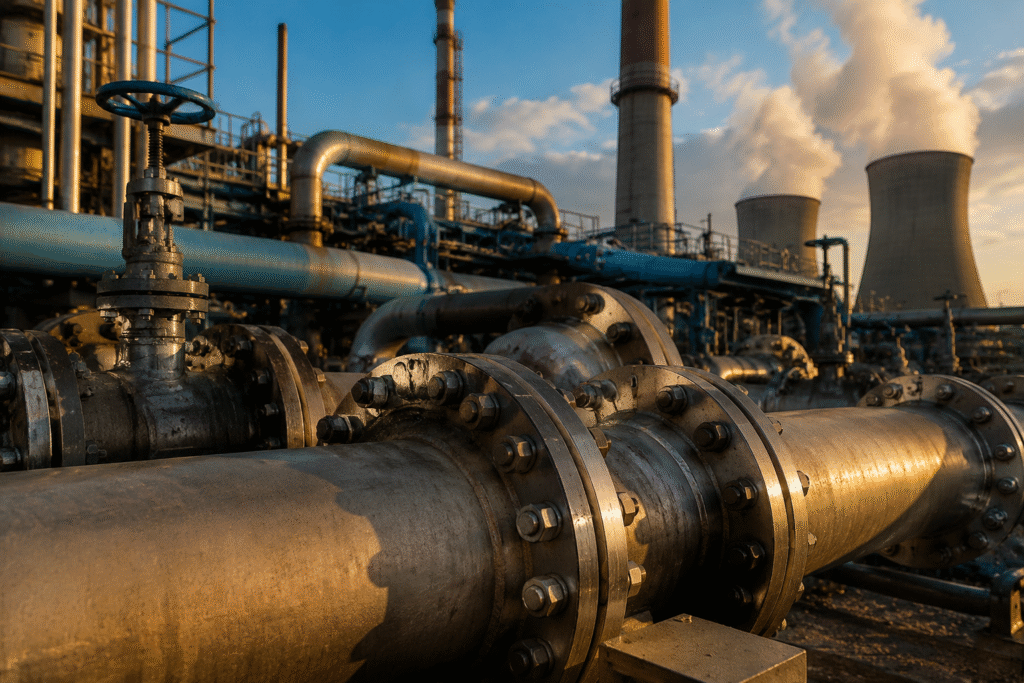
عوامل اختيار شفة الفولاذ المقاوم للصدأ والأخطاء الشائعة
وفقا لأبحاث جراند فيو (2024), تم تقييم سوق الفلنجات الصناعية العالمية بـ $5.8 مليار في 2023 ومن المتوقع أن يصل $7.2 مليار بواسطة 2030. That growth makes the stainless steel pipe flange a strategic component for engineers and buyers who need corrosion resistance, سلامة الضغط, وعمر الخدمة الطويل.
لمقاولي EPC, الموزعين, and plant operators, flange selection now affects more than connection design. It also influences maintenance intervals, inspection costs, and compliance with ASME, ASTM, DIN, ومعايير EN.
الوصف التعريفي: Explore the stainless steel pipe flange guide with data, المعايير, and selection tips. Compare types and contact SASA FLANGE اليوم.
اتجاهات الطلب الصناعي التي تشكل مشتريات شفة أنابيب الفولاذ المقاوم للصدأ
The industrial piping market remains closely tied to energy, المواد الكيميائية, معالجة المياه, and marine infrastructure. بحسب موقع ستاتيستا (2024), تمثل صناعة النفط والغاز ما يقرب من 35% من استهلاك شفة العالمية.
That figure explains why buyers continue to prioritize pressure classes, كيمياء السبائك, and traceable certification. In high-risk systems, a flange is not a commodity. It is a pressure boundary component.
Regional supply dynamics also matter. بحسب موقع IBISWorld (2024), حسابات آسيا والمحيط الهادئ لأكثر من 45% من إنتاج شفة العالمية, مع كون الصين أكبر منتج.
لذلك, global buyers increasingly source from qualified Chinese manufacturers that can combine scale with standards compliance. مهلة, دقة التصنيع, and material traceability are often the deciding factors.
بالتوازي, corrosion-resistant alloys continue gaining share in aggressive service. استخبارات موردور (2024) notes that stainless and alloy material demand is rising in desalination, في الخارج, and chemical processing because lifecycle cost often outweighs initial purchase price.
نتيجة ل, the hidden advantages of stainless steel pipe flange systems are receiving more attention. These advantages include lower replacement frequency, better hygiene performance, and improved resistance to pitting, crevice attack, والأكسدة.
ASME B16.5 و ASME B16.47 remain the dominant dimensional references for many industrial projects, بينما في 1092 and DIN standards stay important in European and mixed-specification projects. Buyers who manage cross-border sourcing must verify drilling, تواجه, and pressure class compatibility before issuing a purchase order.
That need for precision creates opportunities for experienced manufacturers such as SASA FLANGE. مع ISO 9001:2015 وشهادات PED 2014/68/EU, the company supports industrial buyers that require reliable flange supply across Oil & الغاز, البتروكيماويات, قوة, البحرية, معالجة المياه, وقطاعات البناء.
وفقا لأبحاث السوق في المستقبل (2024), global process industry investment is shifting toward long-life assets and safer piping systems. بالتالي, procurement teams now ask for EN 10204 3.1 وثائق التفتيش, اختبار مؤشر مديري المشتريات (PMI)., and stricter dimensional controls more often than before.
في هذه البيئة, the most common flange buying mistakes involve incomplete specification review. على سبيل المثال, buyers may confirm material grade but overlook raised face requirements, تتحمل الجدول الزمني, أو NACE MR0175 compatibility for sour service.
That is why a strong stainless steel pipe flange guide should move beyond material lists. It should connect types, الاستخدامات, فئات الضغط, جودة التصنيع, and application-specific risk.
أنواع شفة أنابيب الفولاذ المقاوم للصدأ, المزايا الخفية, وعوامل الاختيار الفنية
The most common stainless steel flange materials include ASTM A182 F304, F304L, F316, F316L, F904L, F51, وF53. Each grade offers a different balance of strength, قابلية اللحام, chloride resistance, والتكلفة.
According to ASTM and industry application data, 304 و 316 remain the most widely specified stainless grades for general process systems. لكن, دوبلكس 2205 والسوبر دوبلكس 2507 are increasingly chosen where chloride stress, تآكل التآكل, and higher pressure demand better performance.
مثل جون باترفيلد, مهندس الأنابيب الأول, الدول: “A flange should always be selected as part of the whole piping system, not as an isolated item, because temperature, واسطة, الحمل الدوري, and corrosion allowance all interact.” That principle is especially important in offshore, مصفاة, وتطبيقات الطاقة.
من الناحية المادية, the hidden advantages of stainless designs often appear over time. Initial cost may be higher than carbon steel, yet lower maintenance and better corrosion resistance frequently reduce total ownership cost.
According to NACE-aligned corrosion studies cited in industry practice guides, chloride environments can sharply shorten the life of improperly selected materials. لذلك, 316ل, 2205, أو 2507 may deliver better value than 304 in seawater or chemical duty.
Buyers should compare flange types as carefully as they compare alloys. The choice among weld neck, سهل الارتداء, أعمى, لحام المقبس, مفصل اللفة, and threaded designs affects stress distribution, طريقة التجميع, والوصول للتفتيش.
- لحام الشفاه الرقبة: يفضل لارتفاع الضغط, ارتفاع درجة الحرارة, والخدمة الدورية لأن المحور المستدق يعمل على تحسين انتقال الضغط.
- الشفاه الانزلاقية: Often used in lower pressure systems where faster fit-up and lower cost matter.
- الشفاه العمياء: تستخدم لإنهاء, عزل, or future-proof pipeline sections and nozzle connections.
- الشفاه لحام المقبس: شائع في التجويف الصغير, أنظمة الضغط العالي.
- الشفاه الخيوط: Useful where welding is impractical, especially in certain utility lines or hazardous zones.
- الشفاه المشتركة اللفة: Suitable where frequent dismantling is required and stub ends are specified.
The strongest type for most severe service is generally the weld neck flange, especially when designed to ASME B16.5 and matched to proper pipe schedule. Its geometry reduces local stress concentration better than many alternative designs.
كما د. ايلينا ماركوفيتش, عالم المواد, يشرح: “In chloride-bearing media, alloy selection is often the decisive factor, but flange geometry and weld quality still determine whether a system survives fatigue and corrosion together.” That insight helps procurement teams avoid oversimplified grade-only decisions.
Dimensional scope is another practical issue. Industrial buyers routinely request stainless steel pipe flange sizes from 1/2 بوصة ل 24 بوصة تحت ASME B16.5, while larger diameters often move into ASME B16.47 Series A or B.
Pressure ratings must match design conditions. تشمل فئات ASME الشائعة 150, 300, 600, 900, 1500, و 2500, although actual pressure-temperature limits vary by material group and standard tables.
At the manufacturing level, machining accuracy and facing finish matter just as much as chemistry. وجه مرفوع, وجه مسطح, and ring type joint configurations each require correct tolerances to seal properly with the intended gasket system.
According to ISO-aligned quality guidance used across pressure equipment manufacturing, repeatability in bore concentricity and facing finish directly affects leak risk. بالتالي, advanced CNC machining and final inspection are no longer optional for export-grade flanges.
SASA FLANGE تصنع الشفاه في 304, 316, 316ل, 904ل, 2205, 2507, أ105, أ182, إنكونيل, مونيل, هاستيلوي, ودرجات التيتانيوم. مدعومة بتصنيع CNC المتقدم واختبار الجودة الشامل, the company supplies custom sizes from 1/2 بوصة ل 60 inch for demanding industrial projects.
Pipe fittings also influence flange selection. المرفقين, المحملات, مخفضات, and caps must align with corrosion class, جدول, and code basis, especially where the project includes ASME B16.9 fittings and ASTM pressure-retaining materials.
لذلك, the right guide should answer both questions engineers ask most often: which flange type fits the load case, and which alloy fits the fluid environment. When those answers align, lifecycle reliability improves significantly.
المعايير, شهادة, and Compliance Requirements for Stainless Steel Pipe Flange Supply
الامتثال للمعايير هو أساس شراء الفلنجات الآمنة. ASME B16.5 يغطي حواف الأنابيب والتجهيزات ذات الحواف لأحجام تصل إلى NPS 24, بينما ASME B16.47 covers larger diameter steel flanges.
المعايير المادية لها نفس القدر من الأهمية. ASTM A182 يحكم الشفاه المزورة أو المدرفلة وأنابيب الفولاذ المقاوم للصدأ, تجهيزات مزورة, وصمامات لخدمة درجة الحرارة العالية, بينما ASTM A240 covers plate products used in related stainless applications.
غالبًا ما تشير المشاريع الأوروبية إلى EN 1092-1, بيد 2014/68/الاتحاد الأوروبي, and DIN flange dimensions. Mixed-standard jobs require careful review because pressure designation, تفاصيل المواجهة, and bolt hole arrangements can differ.
For authoritative dimensional guidance, buyers should review the current standard at ASME.org. This is especially useful when project specifications combine ASME pressure classes with European documentation requirements.
في القطاعات المنظمة, documentation is as important as machining. Typical requirements include EN 10204 3.1 شهادات اختبار مطحنة, تحديد المواد الإيجابية, الشيكات صلابة, hydrotest records when applicable, وتقارير فحص الأبعاد.
وفقًا لإطار عمل المفوضية الأوروبية PED 2014/68/EU, pressure equipment placed on the EU market must meet essential safety requirements. لذلك, flange suppliers must understand both manufacturing control and documentation pathways.
Common standards and compliance points include:
- ASME B16.5: أبعاد, التسامح, تقييمات الضغط ودرجة الحرارة, and marking for standard flanges up to NPS 24.
- ASME B16.47: Large diameter flange dimensions and drilling data.
- ASME B16.9: Factory-made wrought buttwelding fittings used with flange-connected piping systems.
- ASTM A182: Forged stainless and alloy steel flange material specification.
- EN 1092-1: European flange standard for dimensions and PN ratings.
- NACE MR0175 / ISO 15156: إرشادات ملاءمة المواد لبيئات الخدمة الحامضة.
- بيد 2014/68/الاتحاد الأوروبي: Regulatory compliance for pressure equipment in the EU.
A practical comparison helps procurement teams reduce errors:
- فئة ASME 150: Common in lower pressure utility and general process service.
- فئة ASME 300 و 600: Widely used in refineries, النباتات الكيميائية, وأنظمة البخار.
- EN PN16 to PN40: Typical for European water, عملية, والأنظمة الميكانيكية.
- واجهات RTJ: Preferred in high-pressure and high-integrity sealing applications.
- وجه مرفوع: The most common choice for general industrial service.
مثل مايكل تران, Pressure Equipment Consultant, الدول: “A compliant flange package is not just a forged ring with bolt holes. It is a traceable assembly of material, أبعاد, اختبار, وضع العلامات, and certification.” That view reflects current project realities in international supply chains.
SASA FLANGE يدعم هذه المتطلبات مع ISO 9001:2015, بيد 2014/68/الاتحاد الأوروبي, و م 2000 أوراق اعتماد. التقديم 50+ الدول عبر النفط & الغاز, البتروكيماويات, قوة, والصناعات البحرية, the company aligns production with customer-specific documentation and inspection needs.
دليل التطبيق: كيفية اختيار حواف أنابيب الفولاذ المقاوم للصدأ للزيت, كيميائي, قوة, والخدمة البحرية
Application context determines the best material and flange style. A flange that performs well in clean water may fail rapidly in chloride-rich seawater or high-temperature sulfur-bearing gas.
في النفط & الغاز, material selection often starts with pressure, درجة حرارة, التعرض لغاز H2S, وبدل التآكل. بحسب موقع ستاتيستا (2024), ويمثل هذا القطاع حوالي 35% من استهلاك شفة العالمية, so field-proven reliability remains essential.
لخطوط المنبع والوسط, buyers commonly choose weld neck flanges in ASTM A182 F316L, دوبلكس 2205, or carbon steel A105 depending on corrosion and code requirements. Sour service projects may also require NACE MR0175 review and additional hardness controls.
في مصانع البتروكيماويات, media composition often drives the final decision. الأحماض العضوية, كلوريدات, and solvent exposure can push engineers toward 316L, 904ل, or nickel alloys rather than 304.
Power generation introduces another set of demands. أنظمة البخار, ركوب الدراجات الحرارية, and high pressure favor flange types with strong structural integrity, especially weld neck designs and correctly matched gasket assemblies.
Marine and shipbuilding projects require special attention to salinity, اهتزاز, and compact installation space. درجات دوبلكس مثل 2205 و 2507 often provide a strong balance of strength and chloride resistance for these environments.
Water treatment systems can appear simple, yet chemistry varies widely. تحلية المياه, الكلورة, and chemical dosing lines can justify stainless or duplex selections that outperform painted carbon steel over the asset lifecycle.
When evaluating uses and types, buyers should review:
- كيمياء السوائل, بما في ذلك مستوى الكلوريد, الرقم الهيدروجيني, مركبات الكبريت, والمواد الصلبة.
- ضغط التصميم ودرجة حرارة التشغيل, بما في ذلك الظروف المضطربة.
- نوع الاتصال, نوع المواجهة, وتوافق الحشية.
- Pipe schedule and bore match for flow and weld transition.
- متطلبات التفتيش مثل مؤشر مديري المشتريات (PMI)., يوتا, أو EN 10204 3.1 شهادة.
- المعايير المعمول بها, بما في ذلك ASME, ASTM, DIN, EN, و PED.
- تكلفة دورة الحياة, ليس فقط سعر الوحدة.
Many procurement teams still focus on stainless steel pipe flange price first. لكن, low purchase price can become expensive if machining tolerance is poor, alloy chemistry is off-specification, or documentation delays site approval.
وفقا لأبحاث جراند فيو (2024), the flange market is expanding steadily, which increases both supplier options and quality variation. لذلك, prequalification and technical review are becoming more important, ليس أقل.
على سبيل المثال, أ 4 شفة أنابيب الفولاذ المقاوم للصدأ بوصة في فئتها 150 may look similar across suppliers. Yet the actual difference may appear in PMI traceability, serrated finish quality, wall transition at the bore, and certificate accuracy.
That is where experienced manufacturers bring value. SASA FLANGE offers custom manufacturing for stainless steel flanges and pipe fittings, بما في ذلك المرفقين, المحملات, مخفضات, والقبعات, enabling buyers to consolidate sourcing under one technical quality framework.
تصنيع الشفاه في 304, 316, 904ل, 2205, 2507 وغيرها من الدرجات الممتازة, the company supports both standard and project-specific requirements. This is particularly useful for projects that combine ASME flanges with custom bores, واجهات خاصة, or non-standard inspection plans.
If the project calls for stainless steel flanges and fittings together, buyers should confirm material consistency across all pressure-retaining components. That approach simplifies QA review and improves long-term corrosion performance.
النظرة المستقبلية, Strategic Buying Advice, and the Most Common Mistakes to Avoid
The market outlook for industrial flanges remains positive. وفقا لأبحاث جراند فيو (2024), ومن المتوقع أن ينمو السوق من $5.8 مليار في 2023 ل $7.2 مليار بواسطة 2030.
That trajectory reflects continuing investment in energy, ماء, المواد الكيميائية, والبنية التحتية. It also reflects a shift toward higher-value materials and tighter quality control expectations.
بحسب موقع IBISWorld (2024), Asia-Pacific leads global flange production with over 45% share. نتيجة ل, supplier selection in this region will continue to shape global pricing, الفترات الزمنية, and quality benchmarks.
نتطلع إلى الأمام, several trends are clear:
- More projects will demand duplex and super duplex materials for chloride service.
- Digital traceability and documented inspection will become standard expectations.
- Buyers will place greater emphasis on total lifecycle cost rather than only initial price.
- Factory-direct sourcing will remain attractive where quality systems are proven.
The most common purchasing mistakes remain preventable. Buyers often under-specify corrosion resistance, mix incompatible standards, or overlook bore schedule alignment.
Another frequent issue is assuming all stainless grades perform similarly. In reality, 304, 316ل, 904ل, 2205, و 2507 serve different corrosion, قوة, and temperature windows.
A practical buying process should include material review, standard verification, facing confirmation, test certificate requirements, وتخطيط التسليم. علاوة على ذلك, engineering and procurement teams should validate whether the flange will operate in static, cyclic, تآكل, or abrasive service.
For companies seeking a dependable supply partner, technical support matters as much as machining capacity. Working with established manufacturers such as SASA FLANGE can help reduce specification gaps, shorten approval cycles, and support safer project execution.
الأسئلة المتداولة
ما هي الشفاه الفولاذ المقاوم للصدأ المستخدمة ل?
●تستخدم الشفاه المصنوعة من الفولاذ المقاوم للصدأ لتوصيل الأنابيب, الصمامات, مضخات, وأوعية الضغط في الأنظمة التي تتطلب مقاومة للتآكل, القوة الميكانيكية, and reliable sealing under pressure.
●بحسب موقع ستاتيستا (2024), تمثل صناعة النفط والغاز ما يقرب من 35% من استهلاك شفة العالمية, which shows how important flanged joints are in critical process infrastructure.
●They are commonly specified in oil and gas, البتروكيماويات, البحرية, تجهيز الأغذية, معالجة المياه, and power generation because stainless materials perform well in wet, تآكل, and hygienic environments.
هل يصنعون تجهيزات أنابيب الفولاذ المقاوم للصدأ?
●نعم, يقوم المصنعون بإنتاج تجهيزات أنابيب الفولاذ المقاوم للصدأ مثل الأكواع, المحملات, مخفضات, and caps in grades including 304, 316, 316ل, 904ل, 2205, و 2507.
●ASME B16.9 is the key standard for factory-made wrought buttwelding fittings, and buyers should confirm schedule, التحضير النهائي, and material traceability before ordering.
●For projects that require matched flanges and fittings, sourcing both from experienced suppliers like SASA FLANGE helps maintain consistent metallurgy, الوثائق, and dimensional control.
ما هو أقوى نوع من شفة الأنابيب?
●For most industrial services, the weld neck flange is considered the strongest standard piping flange because its tapered hub reduces stress concentration and supports high-pressure, high-temperature duty.
●ASME B16.5 weld neck flanges are widely used in refinery, بخار, and offshore systems where fatigue resistance and weld integrity matter more than simple installation speed.
●لكن, the best choice still depends on pressure class, جدول الأنابيب, بيئة التآكل, ومتطلبات الكود, so engineering review is essential before selection.
ما هي الأنواع المختلفة من الفلنجات المصنوعة من الفولاذ المقاوم للصدأ?
●The main types of stainless steel flanges are weld neck, سهل الارتداء, أعمى, لحام المقبس, مترابطة, والشفاه المشتركة اللفة.
●كل نوع يخدم غرضا مختلفا, with weld neck flanges favored for severe service, slip-on flanges used in general plant piping, and blind flanges used to close line ends or future expansion points.
●To choose correctly, buyers should compare pressure rating, احتياجات الصيانة, welding access, gasket surface, والمعيار المطبق مثل ASME B16.5 أو إن 1092-1.
ما هو رمز ASME للفلنجات المصنوعة من الفولاذ المقاوم للصدأ?
●معيار الأبعاد الرئيسي ASME لمنتجات شفة الأنابيب الفولاذية المقاومة للصدأ هو ASME B16.5 لمصادر القدرة النووية 1/2 خلال 24, بينما ASME B16.47 يغطي أقطار أكبر.
●Material is typically specified under ASTM A182 للشفاه الفولاذ المقاوم للصدأ مزورة, so buyers should review both the dimensional code and the material standard together.
●This combined approach helps ensure the flange meets design pressure, حدود درجة الحرارة, chemical composition requirements, and project documentation expectations.
كيف أختار بين 304, 316ل, 2205, و 2507 الشفاه الفولاذ المقاوم للصدأ?
●304 is often the most common choice for general service, 316L adds better chloride resistance, 2205 offers higher strength with strong corrosion performance, و 2507 is used for even more aggressive chloride environments.
●According to industry practice and corrosion guidance, molybdenum-bearing and duplex grades usually outperform 304 في مياه البحر, محلول ملحي, and many chemical applications where pitting risk is higher.
●For cost-effective selection, match the alloy to the fluid chemistry and operating conditions rather than choosing by price alone, and consult qualified suppliers like SASA FLANGE when specifications are critical.
الوظائف ذات الصلة
شفة الوجه النهاية: شرح متحدة المركز مقابل التسنينات الحلزونية
تعتبر كل من المسننات المركزة واللولبية عبارة عن تشطيبات وجه شفة مُشكَّلة آليًا…
دوبلكس 2205 مقابل الشفاه 316L: ما هي المواد التي يجب عليك اختيارها؟?
إجابة سريعة: دوبلكس 2205 الشفاه عادة ما تكون المرشح الأقوى…

تعريف شفة الفوهة, التفاصيل ونظرة عامة على الشفاه ASME B16.36: بيانات السوق, دليل الاختيار ورؤى الامتثال
تم تقييم سوق الفلنجات الصناعية العالمية بـ $5.8 مليار…

دليل سوق شفة التخلص الأسود: مواد, 3.5″ التوافق, وبيانات مصادر B2B لحواف حوض المطبخ
يتزايد الطلب على شفة التخلص السوداء مع المشترين لتركيبات المطبخ…