
دليل هندسة شفة الأنابيب الفولاذية المقاومة للصدأ: بيانات السوق, ASME B16.5 & ب16.47 الأنواع, الاستخدامات, وكيفية الاختيار
وفقا لأبحاث جراند فيو (2024), تم تقييم سوق الفلنجات الصناعية العالمية بـ $5.8 مليار في 2023 ومن المتوقع أن يصل $7.2 مليار بواسطة 2030. هذا النمو يجعل شفة أنابيب الفولاذ المقاوم للصدأ a critical component for engineers and buyers who need corrosion resistance, سلامة الضغط, وعمر الخدمة الطويل.
لفرق المشتريات, the real challenge is not finding a flange supplier. It is choosing the right material grade, فئة الضغط, تواجه, and standard for a specific process line.
اتجاهات الطلب العالمي التي تشكل مشتريات شفة أنابيب الفولاذ المقاوم للصدأ
Industrial flange demand remains closely tied to capital spending in energy, ماء, والصناعات العملية. بحسب موقع ستاتيستا (2024), تمثل صناعة النفط والغاز ما يقرب من 35% من استهلاك شفة العالمية.
That number matters because oil and gas projects often require higher alloy content, traceable documentation, and strict compliance with ASME and ASTM specifications. لذلك, buyers increasingly evaluate total lifecycle value instead of unit price alone.
بحسب موقع IBISWorld (2024), حسابات آسيا والمحيط الهادئ لأكثر من 45% من إنتاج شفة العالمية, مع كون الصين أكبر منتج. نتيجة ل, global sourcing strategies now depend on supplier quality systems, القدرة على التصنيع, and export experience as much as geographic cost advantage.
من الناحية العملية, buyers want faster lead times, broader grade availability, and consistent dimensional accuracy. علاوة على ذلك, they want mill test reports, EN 10204 3.1 الوثائق, and predictable communication from quotation through shipment.
The stainless steel segment remains especially strong because corrosion-related failure still drives major maintenance costs across pipelines and process systems. According to NACE International, corrosion costs the global economy more than $2.5 trillion annually, which equals roughly 3.4% of global GDP (NACE, cited widely in industry literature).
That is why stainless grades such as 304, 316, 316ل, 904ل, 2205, و 2507 remain standard choices in desalination, تكرير, المعالجة الكيميائية, والخدمة البحرية. In contrast to carbon steel, these materials typically offer better pitting resistance, cleaner service performance, and lower replacement frequency in aggressive media.
مثل SASA FLANGE serves customers across Oil & الغاز, البتروكيماويات, توليد الطاقة, بناء السفن & البحرية, معالجة المياه, والبناء, the company aligns its production with these global demand patterns. مع ISO 9001:2015 وشهادات PED 2014/68/EU, SASA FLANGE supports export-oriented projects that require documented quality assurance and dimensional compliance.
Buyers also increasingly request broader sourcing from a single partner. That includes flanges, المرفقين, المحملات, مخفضات, and caps in matching metallurgy for complete piping packages.
لهذا السبب, manufacturers with both flange and pipe fitting capability often reduce procurement complexity. بالإضافة إلى, integrated supply can improve heat traceability and streamline inspection coordination.
Stainless Steel Flanges Types, الاستخدامات, and How to Choose for Engineering Performance
The best flange selection starts with process conditions, لا راحة الكتالوج. Engineers must evaluate pressure class, درجة حرارة التصميم, مستوى الكلوريد, تكوين وسائل الإعلام, طريقة اللحام, and required inspection level before locking in a material or facing.
وفق ASME B16.5, أبعاد, التسامح, تقييمات الضغط ودرجة الحرارة, and marking requirements form the baseline for flanges up to NPS 24. لأقطار أكبر, ASME B16.47 governs dimensions and ratings for large diameter steel flanges (ASME, latest edition).
كما جون رينولدز, a materials and corrosion specialist in the refining sector, الدول: “Most flange failures are selection failures before they become product failures.” That observation highlights why material grade and service environment must be evaluated together.
للخدمات الصناعية العامة, 304 and 304L remain common because they combine good corrosion resistance, قابلية اللحام, وكفاءة التكلفة. لكن, 316 and 316L usually perform better in chloride-bearing environments because molybdenum improves pitting resistance.
For more aggressive service, 904ل, دوبلكس 2205, والسوبر دوبلكس 2507 offer stronger resistance to localized corrosion and stress corrosion cracking. لذلك, they often appear in offshore, مياه البحر, and chemical dosing systems where 300-series stainless may be insufficient.
وفقا لأبحاث السوق في المستقبل (2024), demand for corrosion-resistant alloy components in energy and desalination projects is rising at a CAGR above 4% in several regional subsegments. بالإضافة إلى ذلك, offshore specification packages now more frequently include duplex and super duplex materials for reduced maintenance risk.
Engineers typically compare stainless steel flanges by several core factors:
- درجة المادة: 304, 304ل, 316, 316ل, 904ل, 2205, 2507, إنكونيل, مونيل, هاستيلوي, التيتانيوم.
- نوع شفة: لحام الرقبة, الانزلاق على, أعمى, لحام المقبس, مترابطة, مفصل اللفة, رقبة لحام طويلة.
- فئة الضغط: فصل 150, 300, 600, 900, 1500, 2500.
- مواجهة: وجه مرفوع, وجه مسطح, نوع الحلقة المشتركة.
- Dimensions and standard: ASME B16.5, ASME B16.47, DIN, JIS, غوست, EN 1092.
- وثائق التفتيش: إم تي سي, مؤشر مديري المشتريات, hydrotest reports, EN 10204 3.1, and third-party inspection release.
Each flange type serves a different purpose in piping design. Weld neck flanges provide a tapered hub that distributes stress efficiently, while slip on flanges offer easier alignment and lower fabrication cost for lower pressure services.
Blind flanges isolate systems for maintenance, الارتباطات المستقبلية, or hydrotesting. في أثناء, socket weld and threaded flanges can suit smaller bore lines where installation conditions justify those designs.
كما د. م. Kannan, a metallurgical consultant, الدول: “عندما تركيز الكلوريد, درجة حرارة, and fabrication details intersect, duplex grades often deliver the best balance of strength and corrosion resistance.” That quote reflects the engineering logic behind rising duplex adoption in marine and water treatment systems.
للمشترين مقارنة Intriguing Stainless Steel Flanges Types Uses Choose ASME B16.5 B16.47 Pipe Flanges? Flange Engineering Guide style searches, the real value lies in matching flange geometry to process risk. أ 4 شفة أنابيب الفولاذ المقاوم للصدأ بوصة في فئتها 150 for clean water requires a very different specification than a 4 inch weld neck flange in Class 600 for sour hydrocarbon service.
Material pairing also matters across the entire line. على سبيل المثال, a 316L flange connected to 304 piping in chloride service may undermine the corrosion strategy if weld filler, توافق الحشية, and bolting are not reviewed together.
في SASA FLANGE, manufacturing covers stainless steel flanges, الشفاه من الصلب الكربوني, الشفاه سبيكة, وتجهيزات الأنابيب في 304, 316, 316ل, 904ل, 2205, 2507, أ105, أ182, إنكونيل, مونيل, هاستيلوي, والتيتانيوم. مدعومة بتصنيع CNC المتقدم واختبار الجودة الشامل, تدعم الشركة المقاسات المخصصة من 1/2" إلى 60" بأسعار تنافسية مباشرة من المصنع.
بحسب معلومات موردور (2024), industrial water treatment infrastructure investment continues to expand worldwide, especially in regions facing water stress and discharge regulation upgrades. نتيجة ل, stainless and duplex flange packages are increasingly specified for desalination skids, RO trains, and chemical dosing lines.
When engineers choose a stainless steel pipe flange, they should review these questions first:
- What is the design pressure and temperature?
- Does the media contain chlorides, كبريتيدات, or acidic compounds?
- Is low carbon material needed for welding and sensitization control?
- يكون NACE MR0175 or sour service compliance required?
- Will the flange operate outdoors, في الخارج, or in splash-zone exposure?
- What testing and traceability documents must the supplier provide?
That approach reduces late-stage redesign and field mismatch. علاوة على ذلك, it improves bid accuracy and lowers the chance of unplanned shutdowns.
ASME B16.5, ب16.47, ASTM, DIN, والامتثال EN للفلنجات المصنوعة من الفولاذ المقاوم للصدأ
Standards compliance is the foundation of safe flange performance. It controls dimensions, التسامح, حفر, تقييمات الضغط ودرجة الحرارة, and material chemistry across the supply chain.
For most process piping projects, ASME B16.5 يغطي الشفاه من NPS 1/2 من خلال مصادر القدرة النووية 24. ASME B16.47 applies to large diameter steel flanges from NPS 26 من خلال مصادر القدرة النووية 60, and it includes Series A and Series B dimensional options (ASME, latest edition).
المعايير المادية لها نفس القدر من الأهمية. ASTM A182 commonly governs forged or rolled alloy and stainless steel pipe flanges, تجهيزات مزورة, وصمامات لخدمة درجة الحرارة العالية, بينما ASTM A240 covers chromium and chromium-nickel stainless plate used in various fabricated products (ASTM International, latest edition).
European and global projects often call for EN 1092 أو أبعاد شفة DIN, خاصة في الماء, بناء السفن, and industrial utility networks. لذلك, procurement teams must verify whether the project basis is ASME or EN before ordering to avoid drilling or facing mismatch.
- ASME B16.5: Standard for pipe flanges and flanged fittings up to NPS 24.
- ASME B16.47: Standard for large diameter steel flanges from NPS 26 إلى مصادر القدرة النووية 60.
- ASME B16.9: Standard for factory-made wrought buttwelding fittings.
- ASTM A182: Standard specification for forged or rolled alloy and stainless steel flanges and fittings.
- EN 1092: European flange standard widely used in industrial and water systems.
- NACE MR0175: Material requirements for sour service resistance in H2S-containing environments.
وفقا للايزو, documented quality management systems improve process consistency, إمكانية التتبع, and corrective action effectiveness across manufacturing operations (ISO, quality management guidance). لذلك, accredited systems are not simply commercial badges. They are practical tools for reducing variation in machining, وضع العلامات, والتفتيش.
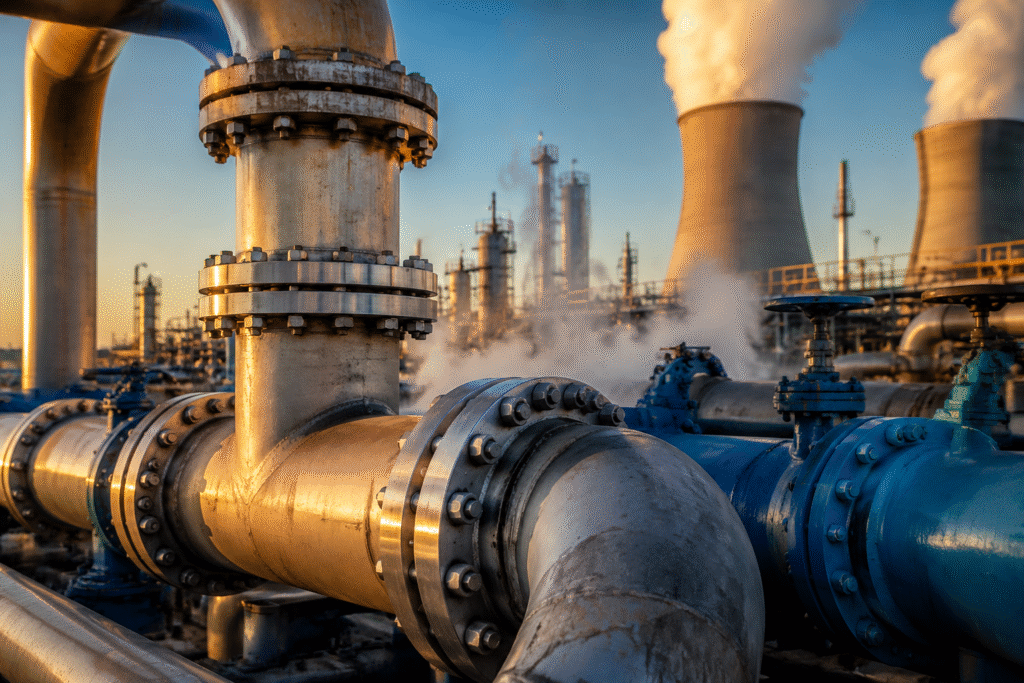
For image planning, the alt text should include the keyphrase شفة أنابيب الفولاذ المقاوم للصدأ. That supports both accessibility and on-page SEO alignment.
Pressure Equipment Directive requirements also affect sourcing for EU-bound projects. PED 2014/68/EU requires conformity assessment for pressure equipment and related assemblies sold into the European market, depending on category and application.
SASA FLANGE يحمل ISO 9001:2015, بيد 2014/68/الاتحاد الأوروبي, و م 2000 الشهادات, which supports projects requiring European compliance pathways. بالإضافة إلى ذلك, customers can request EN 10204 3.1 documentation and project-specific inspection coordination through SASA FLANGE.
Procurement teams should also compare the commercial impact of standards selection:
- ASME systems often dominate refinery, البتروكيماويات, and power plant EPC packages.
- EN and DIN systems are common in European utility, البحرية, and mechanical projects.
- NACE requirements become critical in sour oil and gas service.
- Duplex and super duplex often need stricter PMI and heat traceability controls.
For direct reference, engineers can verify current standards at ASME.org. That step is valuable because revisions, addenda, and project specifications can alter the acceptable dimensional basis.
As Laura Bennett, مهندس أنابيب كبير, الدول: “Dimensional compliance prevents installation issues, but document compliance prevents project claims.” In large EPC work, both are equally important.
Application-Based Selection Guide for Oil, الغاز, كيميائي, قوة, والمشاريع البحرية
Application-specific selection creates better outcomes than one-size-fits-all purchasing. The same nominal pipe size can require different flange types, الدرجات, and facings across industries.
في النفط والغاز, the specification often begins with pressure class, sour service conditions, وفلسفة بدل التآكل. بحسب موقع ستاتيستا (2024), ويستهلك هذا القطاع حوالي 35% من الشفاه العالمية, which explains why API-adjacent requirements and stringent traceability often shape market expectations.
Typical oil and gas guidance includes:
- Use weld neck flanges for higher pressure and cyclic loading.
- مراجعة NACE MR0175 when H2S exposure is possible.
- Consider 316L, دوبلكس 2205, أو سوبر دوبلكس 2507 in chloride-rich offshore systems.
- Use RTJ facings for critical high-pressure sealing where specified.
في معالجة البتروكيماويات والكيماويات, media compatibility drives the decision. على سبيل المثال, 316L works well in many general corrosive environments, بينما 904L, هاستيلوي, or Monel may be needed for stronger acids or mixed chemical streams.
Power generation introduces another set of variables. ارتفاع درجة الحرارة, ركوب الدراجات الحرارية, خدمة البخار, and shutdown frequency can all affect flange performance and gasket reliability.
للبحرية وبناء السفن, seawater exposure and splash-zone corrosion often justify duplex selection. According to DNV guidance used widely in marine practice, material resistance and traceability are essential where seawater and cyclic service intersect (دنف, industry guidance).
Water treatment and desalination systems often combine stainless and duplex components across skids, الفتحات, and pump lines. لذلك, buyers should check chloride level, درجة حرارة التشغيل, and cleaning chemical exposure before finalizing 304 versus 316L versus duplex.
A practical selection matrix often looks like this:
- Clean water and low chloride utility lines: 304 or 304L slip on or weld neck.
- General chemical and moderate chloride service: 316 أو 316 ل, usually raised face.
- Offshore and seawater service: 2205 أو 2507, often with stricter PMI requirements.
- High temperature aggressive service: alloy grades such as Inconel or Hastelloy where specified.
- Shutdown isolation and terminal ends: blind flange in matching metallurgy and class.
In addition to standard production, SASA FLANGE supports custom manufacturing for project drawings, أبعاد غير قياسية, and mixed piping packages. التقديم 50+ الدول عبر النفط & الغاز, البتروكيماويات, قوة, والصناعات البحرية, the company helps buyers consolidate flange and fitting procurement under one source.
Custom capability matters when projects require special bore, facing modification, drilled pattern changes, or uncommon grades. بالإضافة إلى, factory-side CNC machining shortens revision cycles compared with multi-vendor sourcing.
Buyers should request these details during supplier evaluation:
- Size range and pressure class coverage.
- Available grades in forged and plate flange forms.
- مؤشر مديري المشتريات, ultrasonic, الهيدروستاتيكي, and dimensional inspection options.
- Lead time for standard and made-to-order items.
- الانتهاء من السطح, وضع العلامات, التعبئة والتغليف, and export documentation practices.
When these points are clarified early, bid comparisons become more accurate. نتيجة ل, procurement managers can avoid hidden costs from rework, schedule delays, or inspection rejection.
التوقعات المستقبلية للفلنجات المصنوعة من الفولاذ المقاوم للصدأ وتوصيات الشراء الإستراتيجية
The flange market outlook remains positive as infrastructure renewal, مشاريع التحول في مجال الطاقة, and water treatment investment continue. وفقا لأبحاث جراند فيو (2024), ومن المتوقع أن يرتفع السوق من $5.8 مليار في 2023 ل $7.2 مليار بواسطة 2030.
That growth will likely favor suppliers who combine technical support, broad metallurgy coverage, والامتثال للتصدير. في المقابل, purely price-driven sourcing may create larger lifecycle costs when traceability or corrosion performance falls short.
Digital procurement is also changing buyer behavior. Engineers increasingly expect faster RFQ turnaround, downloadable documentation, and direct access to dimensional and material support before issuing a purchase order.
وفقًا لمحللي الصناعة في Mordor Intelligence (2024), project owners are placing more emphasis on reliability, maintenance reduction, and corrosion-resistant materials in long-life assets. لذلك, stainless and duplex flanges should remain a strategic category rather than a commodity purchase in critical systems.
Recommended actions for B2B buyers include:
- Standardize approved flange types and grades by application.
- Require ASME, ASTM, DIN, or EN dimensional confirmation before release.
- Specify documentation such as MTC, EN 10204 3.1, ومؤشر مديري المشتريات (PMI) عند الحاجة.
- Review lifecycle corrosion risk instead of comparing only unit price.
- Qualify suppliers with ISO 9001:2015 and project-relevant certifications.
For teams sourcing a stainless steel pipe flange for global projects, the strongest procurement strategy combines technical clarity with supplier validation. When material expertise, compliance documentation, and machining quality are aligned, buyers gain lower risk and better installation performance.
For current projects involving ASME B16.5, ASME B16.47, or custom stainless flange packages, engineers can streamline evaluation by discussing specifications directly with SASA FLANGE. That approach helps convert design intent into manufacturable, يمكن تتبعها, and commercially efficient supply.
الأسئلة المتداولة
ما هي أحجام شفة أنابيب الفولاذ المقاوم للصدأ?
●تتراوح أحجام شفة أنابيب الفولاذ المقاوم للصدأ عادة من 1/2 بوصة ل 60 inches under standards such as ASME B16.5 و ASME B16.47.
●ASME B16.5 يغطي عمومًا NPS 1/2 من خلال مصادر القدرة النووية 24, بينما ASME B16.47 يغطي الشفاه ذات القطر الكبير من NPS 26 من خلال مصادر القدرة النووية 60.
●Buyers should confirm whether the project follows ASME, DIN, أو إن 1092 dimensions before ordering because bolt drilling and flange thickness can differ by standard.
What is the typical stainless steel pipe flange price?
●Stainless steel pipe flange price depends heavily on size, فئة الضغط, الصف المادي, ونطاق الاختبار, with duplex and nickel alloys costing significantly more than 304 أو 316 ل.
●وفقا لأبحاث جراند فيو (2024), تم الوصول إلى سوق الفلنجات الصناعية العالمية $5.8 مليار في 2023, which reflects strong demand and ongoing raw material sensitivity in industrial supply chains.
●من أجل ميزانية دقيقة, buyers should request quotes that include material grade, معيار, تواجه, الوثائق, and inspection requirements from established manufacturers like SASA FLANGE.
ما هي أنواع شفة الفولاذ المقاوم للصدأ الرئيسية?
●أنواع شفة الفولاذ المقاوم للصدأ الرئيسية هي رقبة ملحومة, الانزلاق على, أعمى, لحام المقبس, مترابطة, مفصل اللفة, والشفاه الرقبة الطويلة الملحومة.
●Weld neck flanges are preferred for higher pressure and cyclic service, while slip on flanges are often used in lower pressure lines where fabrication simplicity matters.
●Engineers should choose flange type based on pressure class, طريقة اللحام, الوصول إلى الصيانة, and process criticality rather than selecting by price alone.
كيف أختار بين 304, 316ل, والشفاه المزدوجة المصنوعة من الفولاذ المقاوم للصدأ?
●304 suits general service, 316L performs better in chloride-bearing environments, والدرجات المزدوجة مثل 2205 offer higher strength and stronger resistance to pitting and stress corrosion cracking.
●وفقا لأبحاث السوق في المستقبل (2024), corrosion-resistant alloy demand continues to rise in water treatment and energy projects, which supports greater use of duplex materials in aggressive service.
●For chloride-rich, في الخارج, or critical process conditions, buyers should review operating temperature, كيمياء الوسائط, and welding requirements with a qualified supplier before selecting the final grade.
ما هو الفرق بين ASME B16.5 و ASME B16.47 الشفاه?
●ASME B16.5 يغطي حواف الأنابيب والتجهيزات ذات الحواف حتى NPS 24, بينما ASME B16.47 applies to large diameter steel flanges from NPS 26 إلى مصادر القدرة النووية 60.
●ASME B16.47 also includes Series A and Series B designs, which differ in dimensions, أنماط الترباس, and weight depending on the application.
●Procurement teams should verify the exact standard and series on project drawings because an incorrect dimensional basis can cause field installation failure.
How do I find a reliable flange manufacturer or flange vendor?
●A reliable flange manufacturer should offer standards compliance, مواد يمكن تتبعها, دقة الآلات, دعم التفتيش, and certifications such as ISO 9001:2015 or PED 2014/68/EU.
●بحسب موقع IBISWorld (2024), تنتج منطقة آسيا والمحيط الهادئ أكثر من 45% من الشفاه العالمية, so supplier qualification is essential when sourcing internationally from high-volume manufacturing regions.
●للمشاريع التي تتطلب أحجام مخصصة, EN 10204 3.1 وثائق, and broad grade availability, working with experienced suppliers like SASA FLANGE helps reduce commercial and technical risk.
الوظائف ذات الصلة
شفة الوجه النهاية: شرح متحدة المركز مقابل التسنينات الحلزونية
تعتبر كل من المسننات المركزة واللولبية عبارة عن تشطيبات وجه شفة مُشكَّلة آليًا…
دوبلكس 2205 مقابل الشفاه 316L: ما هي المواد التي يجب عليك اختيارها؟?
إجابة سريعة: دوبلكس 2205 الشفاه عادة ما تكون المرشح الأقوى…

تعريف شفة الفوهة, التفاصيل ونظرة عامة على الشفاه ASME B16.36: بيانات السوق, دليل الاختيار ورؤى الامتثال
تم تقييم سوق الفلنجات الصناعية العالمية بـ $5.8 مليار…

دليل سوق شفة التخلص الأسود: مواد, 3.5″ التوافق, وبيانات مصادر B2B لحواف حوض المطبخ
يتزايد الطلب على شفة التخلص السوداء مع المشترين لتركيبات المطبخ…