Descripción
Nickel-iron-chromium alloy industrial valve
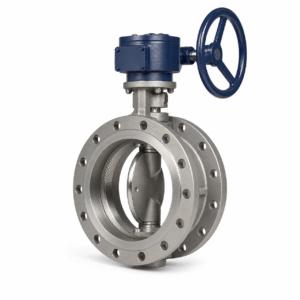
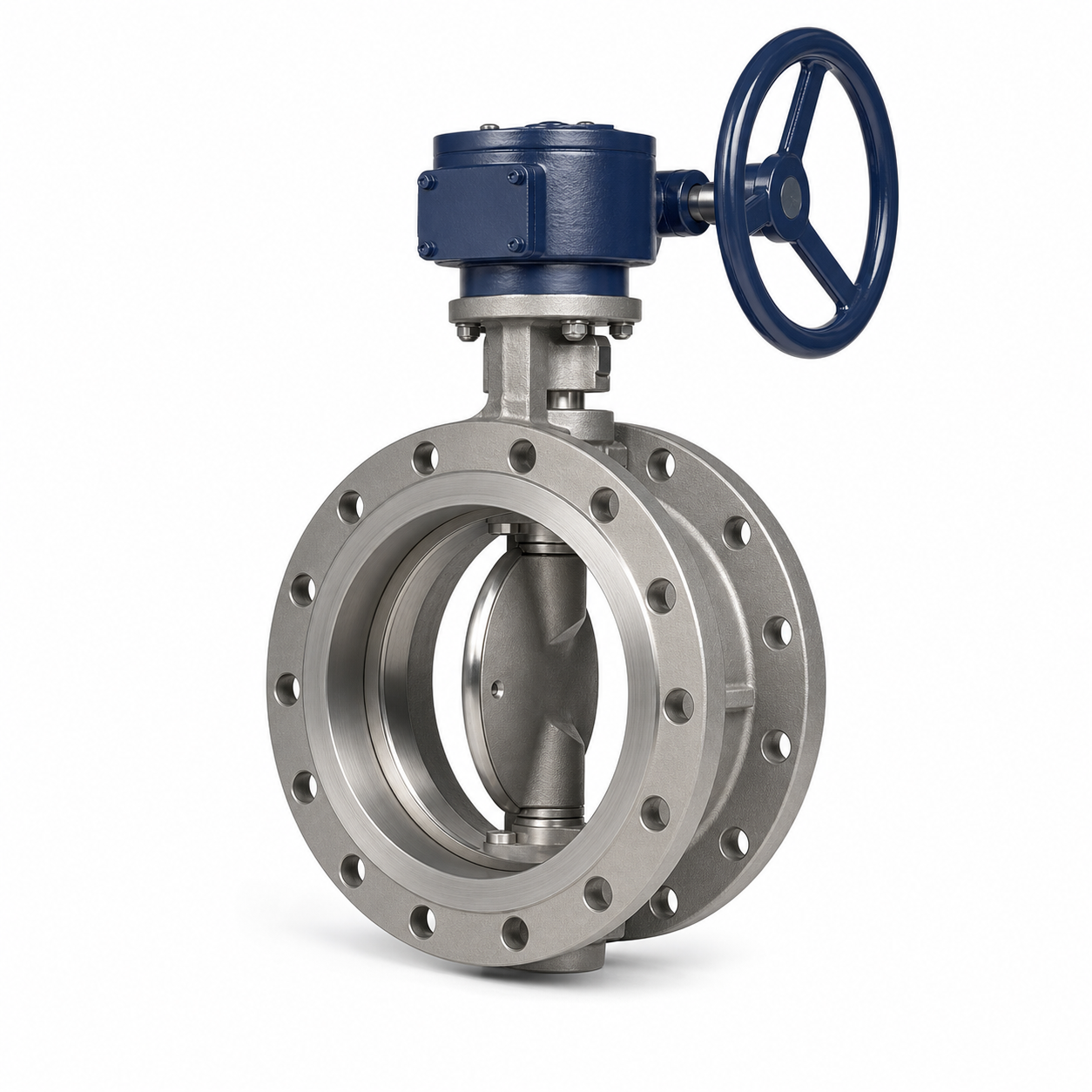
Aleación 20 Válvula de mariposa de triple compensación
A chemical-process valve material associated with sulfuric-acid, pickling and fertilizer duties. The triple offset butterfly valve configuration is engineered for compact high-temperature or severe-service process isolation.
What is a Alloy 20 Válvula de mariposa de triple compensación?
A Alloy 20 Triple Offset Butterfly Valve combines a nickel-iron-chromium alloy containing copper and molybdenum, developed for resistance in sulfuric-acid and related chemical environments with a quarter-turn metal-seated design using three geometric offsets to reduce seat rubbing and support severe-service isolation.
Aleación 20 selection must use concentration-temperature corrosion data and account for contaminants, aireación, velocity and crevices. Seat-stack design, pressure direction, leakage class, shaft loading, thermal cycling and actuator torque are configuration-specific.
Aleación 20 Triple Offset Butterfly Valve specifications
| Producto | Aleación 20 Válvula de mariposa de triple compensación |
|---|---|
| Construcción de válvulas | Triple-eccentric metal-seated butterfly valve in wafer, lug, double-flanged or butt-weld body pattern |
| Material nominal | Aleación 20 |
| A NOSOTROS / una referencia | UNS N08020; EN 2.4660 |
| Formularios de productos | Forjado/forjado ASTM B462 o ASTM A182 F20 as applicable; elenco ASTM A351 CN7M; component specification controlled by design |
| Estándares de diseño | API 609 y ASME B16.34; EN 593 option for applicable European projects |
| Prueba de presión | API 598, EN 12266-1 or project-specified shell and seat testing |
| Clasificación de presión | Clase ASME o clasificación PN verificada con el material exacto, tamaño, temperatura de construcción y diseño |
| Conexiones finales | Wafer, lug, double-flanged or butt-weld body patterns according to design |
| Operación | Gearbox, pneumatic, electric or hydraulic actuator |
| Documentación | EN 10204 3.1 registros de materiales, informe de prueba de presión, Registros de inspección del proyecto y planos GA según lo ordenado |
Este es un producto de consulta diseñado, no es una especificación de stock universal. La disponibilidad final depende del tamaño de la válvula., clase de presión, forma material, recortar, sistema de asiento, operador, cantidad y edición del código requerido.
Aleación 20 selección de materiales
| Punto de selección | Orientación de ingeniería |
|---|---|
| perfil de material | a nickel-iron-chromium alloy containing copper and molybdenum, developed for resistance in sulfuric-acid and related chemical environments |
| Por qué se selecciona | Useful resistance to sulfuric acid and a range of chemical environments, with fabrication characteristics familiar to stainless-alloy shops. |
| Servicio tipico | Sulfuric-acid processing, fertilizer, decapado, chemical transfer and pharmaceutical process systems. |
| Limitaciones a comprobar | It is not a universal acid alloy. Hydrochloric acid, oxidizing contaminants and mixed acids can change performance significantly. |
| Ruta de especificación | Forjado/forjado ASTM B462 o ASTM A182 F20 as applicable; elenco ASTM A351 CN7M; component specification controlled by design |
| Verificación | PMI del níquel, cromo, copper and molybdenum plus heat traceability and component-specific MTC review. |
Triple Offset Butterfly Valve design and standards
API 609
Common design basis for butterfly valves; category, body pattern, seat design and edition must be identified.
ASME B16.34
Pressure-temperature and general valve design requirements where applicable.
API 598 / EN 12266-1
Shell and seat testing selected for the applicable project and market.
API 607 / ISO 10497
Fire-safe qualification applies only to the exact seat, seal and valve configuration.
Seal ring, seat stack, pressure direction, shaft/packing system, bearing loads and actuator safety factor must be reviewed as a complete package.
A prueba de fuego, emisión-fugitiva, servicio amargo, oxígeno, criogénico, Los requisitos de cloro y PED se aplican solo cuando se definen y admiten explícitamente para la configuración ofrecida exacta..
Aplicaciones típicas
| Industria | Contexto de servicio material | Enfoque en la selección de válvulas |
|---|---|---|
| Sulfuric-acid processing | Transfer, dilution and process systems within verified concentration-temperature limits | Pressure direction, leakage class, metal-seat design, temperatura, torque and fire-safe/emissions qualification |
| Fertilizer | Acid and chemical handling systems after compatibility review | Pressure direction, leakage class, metal-seat design, temperatura, torque and fire-safe/emissions qualification |
| Decapado | Selected acid circulation and transfer duties | Pressure direction, leakage class, metal-seat design, temperatura, torque and fire-safe/emissions qualification |
| Pharmaceutical and fine chemical | Corrosive reagent and batch-process systems | Pressure direction, leakage class, metal-seat design, temperatura, torque and fire-safe/emissions qualification |
Los ejemplos de aplicación no constituyen una aprobación de corrosión o de diseño.. El usuario final debe verificar la química del proceso., contaminantes, presión, temperatura, velocidad, ciclismo, emisiones y requisitos reglamentarios.
Calidad, pruebas y trazabilidad
Trazabilidad del número de calor y EN 10204 3.1 registros coincidentes con las especificaciones del componente solicitado.
PMI del níquel, cromo, copper and molybdenum plus heat traceability and component-specific MTC review.
API 598, EN 12266-1 or project-specified shell and seat testing, con criterios de aceptación y fugas indicados en el pedido.
dibujo de ga, dimensiones, calificación, operación, prueba de presión y registros de NDE/terceros especificados.
Lista de verificación de solicitudes de presupuesto
- Estándar de diseño de válvula y edición requerida.
- Tamaño nominal y clasificación ASME Class o PN
- Especificaciones exactas del material para el límite de presión., recortar, asientos, embalaje y atornillado
- Body pattern, face-to-face, pressure direction, leakage class, seal-ring design and actuation
- Finalizar conexión, requisito presencial y presencial
- Composición fluida, concentración, contaminantes y sólidos
- Presión/temperatura de diseño y funcionamiento
- PMI, prueba de corrosión, ECM, requisitos de testimonios y documentos
Preguntas frecuentes
Why is Alloy 20 used in sulfuric-acid service?
su níquel, cromo, molybdenum and copper balance can provide useful resistance across selected sulfuric-acid conditions. Exact concentration, temperature and contaminants remain decisive.
What cast grade is commonly associated with Alloy 20 valvulas?
ASTM A351 CN7M is a commonly specified cast grade associated with Alloy 20-type service. Forged components use their applicable wrought specification.
Puede aleación 20 replace Hastelloy C276?
Not as a blanket substitution. The alloys have different chemistry, strength and corrosion behavior. Selection must follow actual process corrosion data and the piping material specification.
What are the three offsets?
They separate the shaft from the seat and body centerlines and add a conical sealing geometry, allowing rapid seat disengagement during opening.
Is every triple offset butterfly valve bidirectional?
No. Some designs have a preferred pressure direction or different leakage capability by direction. Confirm the tested performance of the exact configuration.
Puede aleación 20 be used for every component in this triple offset butterfly valve?
No automáticamente. Límite de presión, recortar, vástago o eje, asientos, embalaje, Los materiales de juntas y pernos tienen diferentes funciones mecánicas y de corrosión.. La lista completa de materiales debe estar diseñada para el servicio..
Related Alloy 20 productos de válvulas
Necesita una comparación más amplia? Ver el general stainless steel and alloy butterfly valves guide o navegar por todos Válvulas de mariposa.
Request a Alloy 20 Triple Offset Butterfly Valve quotation
Enviar la especificación de la válvula., grados exactos de materiales, tamaño, clase de presión, condiciones de funcionamiento, requisitos de cantidad e inspección para la revisión técnica.