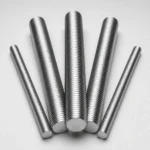
Description
Precipitation-hardened high-strength nickel alloy
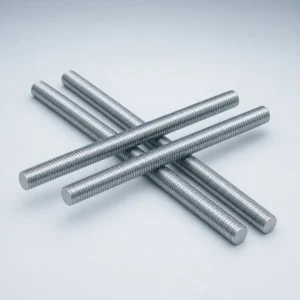
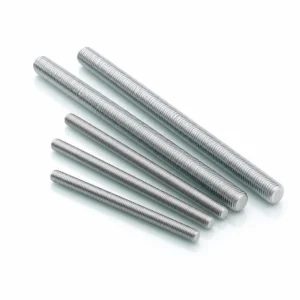
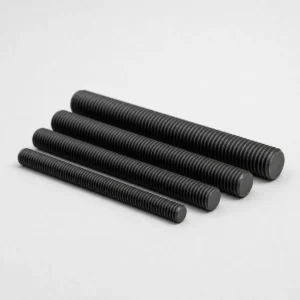
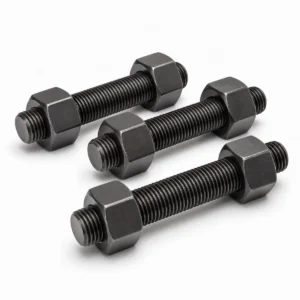
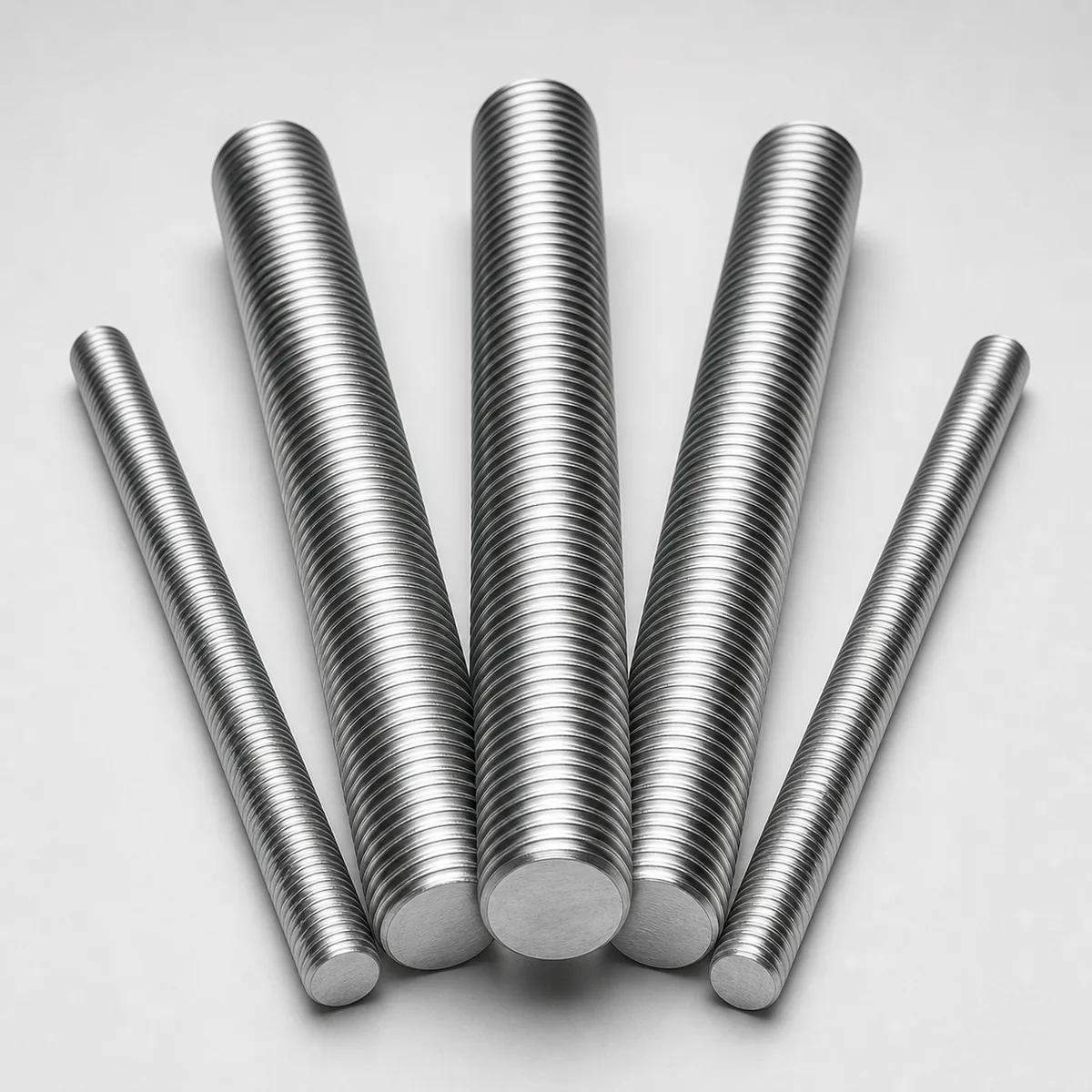
Inconel 718 Threaded Rod
Age-hardenable nickel-chromium alloy threaded bar for high-load, fatigue-sensitive and elevated-temperature equipment assemblies.
Product overview
Inconel 718 threaded rod is manufactured from UNS N07718 precipitation-hardenable nickel alloy. It is known for high strength, good fatigue resistance and useful mechanical properties at elevated temperature, with established use across aerospace, energy and specialized industrial equipment.
ASTM B637 is commonly applied to precipitation-hardened nickel-alloy bars and forgings, including Alloy 718. The precise solution and aging condition is critical: the purchase order must define the applicable material specification, heat treatment, test coupon basis and finished-product requirements.
Inconel 718 threaded rod specifications
| Material designation | Alloy 718 / UNS N07718 / EN 2.4668 |
|---|---|
| Starting material | ASTM B637 bar/forging stock or project-specific AMS/ASME material specification |
| Heat treatment | Solution treated and precipitation hardened to ordered condition |
| Thread systems | ASME B1.1 UN, UNF or UNJ when specified; ASME B1.13M / ISO metric |
| Size range | 1/4–3 in and M6–M72 typical; strength requirements vary with section size |
| Length | Custom cut-to-length or continuous threaded bar where technically available |
| Matching hardware | Alloy 718 or engineered compatible nuts and washers |
| Inspection | MTC, heat-treatment record, mechanical tests, hardness, PMI and thread inspection |
Final dimensions, tolerances, heat treatment, coating, testing and acceptance criteria follow the confirmed purchase order and the applicable standard edition. Availability depends on diameter, length, thread form and production quantity.
Why specify this material?
Alloy 718 is selected primarily for strength, fatigue and elevated-temperature performance rather than maximum resistance to every chemical environment. Compare it with Alloy 625, C276 and high-alloy stainless grades using both mechanical and corrosion design criteria.
Engineering note
Mechanical properties depend strongly on product size and heat treatment. Define whether threads are cut or rolled, when aging occurs, and how test coupons represent the finished section. High-strength joints also require verified preload control.
Typical applications
Quality, inspection and documentation
Alloy 718 procurement should control melt source, starting material, solution treatment, aging, section-size effects, test coupon location and finished hardness. PMI confirms alloy identity but does not replace heat-treatment and mechanical testing.
- EN 10204 3.1 material test certificate
- Heat-number and batch traceability
- Chemical composition and mechanical properties
- Dimensional inspection and thread gauging
- PMI for stainless and nickel alloys when ordered
- Coating thickness or surface inspection when applicable
- Third-party inspection and additional testing by agreement
- Export marking and seaworthy packing
Information required for quotation
- Material grade, governing material/bolting standard and required edition
- Diameter, thread series, pitch and thread class or tolerance
- Overall length, cut-end requirements and quantity
- Heat treatment, surface finish or coating system
- Matching nuts and washers, including anti-galling requirements
- Inspection plan, MTC, PMI, NDE and third-party witness requirements
- Delivery destination, packaging and required schedule
Frequently asked questions
Which standard covers Inconel 718 bar for threaded rods?
ASTM B637 is commonly specified for UNS N07718 precipitation-hardened nickel-alloy bars and forgings. Aerospace projects may instead require a specific AMS material condition.
Why is heat treatment important for Alloy 718?
Alloy 718 obtains its high strength through controlled solution treatment and precipitation aging. Incorrect time or temperature can materially change properties.
Is Inconel 718 more corrosion resistant than 625?
Not in every environment. 718 is often selected for superior strength, while 625 is frequently preferred for broader marine corrosion resistance. Service data should control the decision.
Are rolled threads available?
Rolled threads may be available within suitable diameter, condition and equipment limits. The order should define thread method, heat-treatment sequence and inspection criteria.
Related threaded rod products
Request a technical quotation
Send your bill of materials, drawing or project specification. SASA FLANGE will review the grade, thread, dimensions, documentation and delivery requirements before quotation.