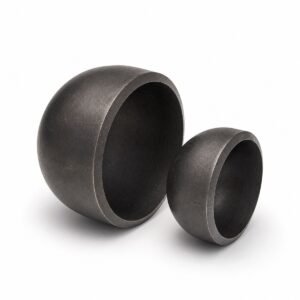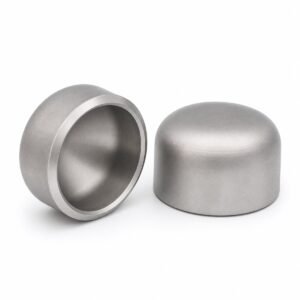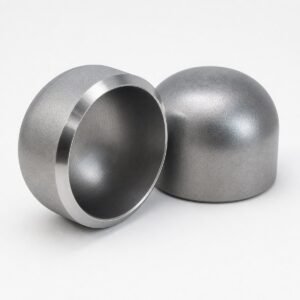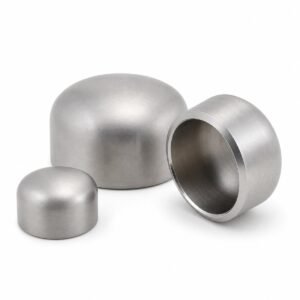
Description
Lap-joint butt-weld fitting | ASME B16.9 / MSS SP-43
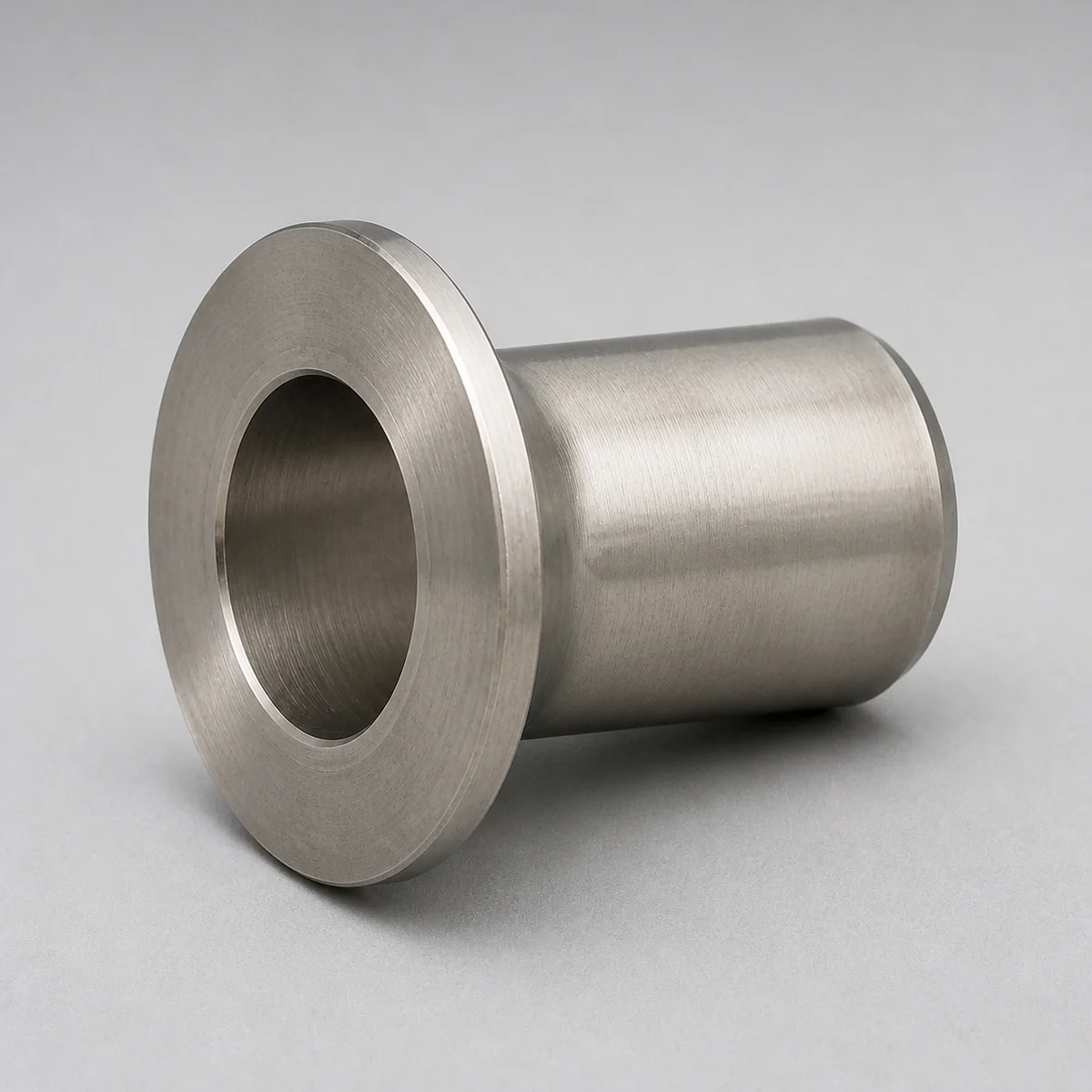
ASTM B366 Incoloy 825 Stub End
Lap-joint stub end in ASTM B366 WP-N08825 for acid, chloride and oil-and-gas process piping. Available with project-specific dimensions, documentation and inspection.
Direct answer
What is a Incoloy 825 stub end?
A stub end is a butt-weld piping fitting used with a loose lap-joint backing flange. The stub end provides the process-wetted sealing face and weld connection, while the backing flange rotates freely behind the lap. This arrangement can simplify bolt-hole alignment and allows the backing flange material to be selected separately when the design permits.
ASTM B366 WP-N08825 identifies a factory-made wrought nickel-iron-chromium alloy fitting in UNS N08825, commonly known as Incoloy 825.
The lap face, corner radius, hub length, wall thickness and weld end must suit the backing flange, gasket and connected pipe. Long-pattern and short-pattern dimensions are not interchangeable. The pressure capability belongs to the complete engineered joint, not to the stub end in isolation. The piping specification should define the material combination, corrosion allowance, weld procedure and dimensional standard.
Technical specifications
| Product | Stub End |
|---|---|
| Material specification | ASTM B366 WP-N08825 |
| UNS designation | UNS N08825 |
| Dimensional standard | ASME B16.9 / MSS SP-43 |
| Size range | Standard and project-specific sizes within the selected ASME B16.9 or MSS SP-43 dimensional range |
| Rating / schedule | Wall schedule and backing-flange rating selected for the complete lap-joint assembly |
| Configuration | Type A or specified lap-joint stub end, long or short pattern as ordered, with butt-weld end |
| Documentation | EN 10204 3.1 MTC, heat-number traceability, dimensional report and PMI when ordered |
| Optional inspection | PMI, PT, dimensional inspection, corrosion testing and third-party inspection when ordered |
Final dimensions, ratings, tests and acceptance criteria follow the purchase order, approved drawing, applicable code and specified standard edition.
Why specify Incoloy 825?
N08825 contains molybdenum and copper and is used for resistance in selected acidic, chloride and reducing environments. It is common in chemical, oil-and-gas and pollution-control systems.
Qualified welding procedures, clean preparation and compatible filler metals help maintain corrosion performance. The ordered wall and lap dimensions must match the pipe and backing flange.
Typical applications
These are selection examples, not universal suitability claims. Verify corrosion, temperature, pressure, fabrication and code requirements for the actual service.
Ordering and specification guidance
State the fitting material designation, UNS number, NPS, wall schedule, dimensional standard, pattern, lap-face requirements and mating backing flange. For nickel-alloy and duplex products, confirm whether seamless or welded construction and the applicable ASTM class marking are required.
State fitting class, schedule, pattern, heat treatment, PMI, NDE and project corrosion requirements.
Engineering selection boundaries
Material grade, nominal size and pressure class are necessary purchasing inputs, but they do not prove suitability by themselves. The responsible piping engineer should verify the design code, design pressure and temperature, corrosion allowance, connected pipe dimensions, flange facing, gasket system, bolting, welding procedure and examination plan as one coordinated specification. Service chemistry, concentration, contaminants, velocity, shutdown conditions and cleaning media can change corrosion performance. Request written confirmation against the project datasheet and approved drawing before manufacture, especially where sour service, seawater exposure, cyclic loading, vacuum, lethal service or regulatory inspection applies.
Manufacturing, inspection and traceability
Inspection covers chemistry and heat-treatment certification, wall thickness, lap outside diameter, face thickness, corner radius, overall length, weld-end preparation and surface condition. PMI and PT can be specified for corrosion-resistant alloys.
PMI, MTC review, dimensional inspection and PT provide a practical release basis for corrosion-resistant stub ends.
Official standards and engineering references
Use the current project-approved editions. The following official scope pages help procurement teams separate dimensional requirements from material requirements.
Related stub end products
RFQ checklist
- ASTM grade and UNS designation
- NPS and pipe schedule
- ASME B16.9 or MSS SP-43
- Long or short pattern
- Type and lap-face dimensions
- Backing-flange material and class
- Seamless or welded construction
- MTC, PMI, PT and inspection
Frequently asked questions
Does a stub end include the backing flange?
Not unless the purchase order states it. A stub end and a lap-joint backing flange are separate components and may use different material specifications.
What is the difference between long-pattern and short-pattern stub ends?
They have different overall lengths and assembly considerations. The required pattern must be stated and matched to the project dimensional standard.
Can a carbon steel backing flange be used with an alloy stub end?
It can be considered when the design, environment, corrosion protection, temperature and piping code allow it. The project engineer must approve the material combination.
What is the UNS designation for Incoloy 825?
The UNS designation is N08825.
Which ASTM specification covers wrought Incoloy 825 stub ends?
ASTM B366 covers factory-made wrought nickel-alloy welding fittings including stub ends.
Request a technical quotation
Send the material grade, standard, size, rating or schedule, quantity and inspection requirements. SASA FLANGE will review the complete specification before quotation.