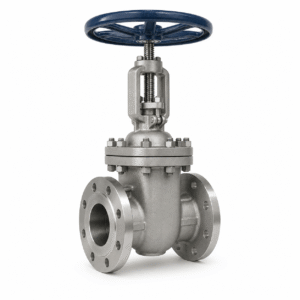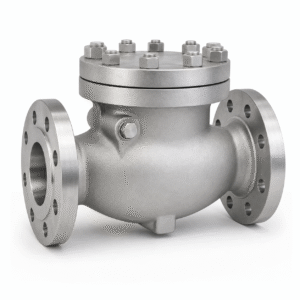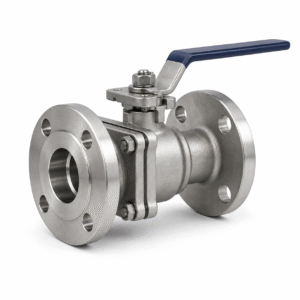
Description
Nickel-chromium-molybdenum-tungsten alloy industrial valve
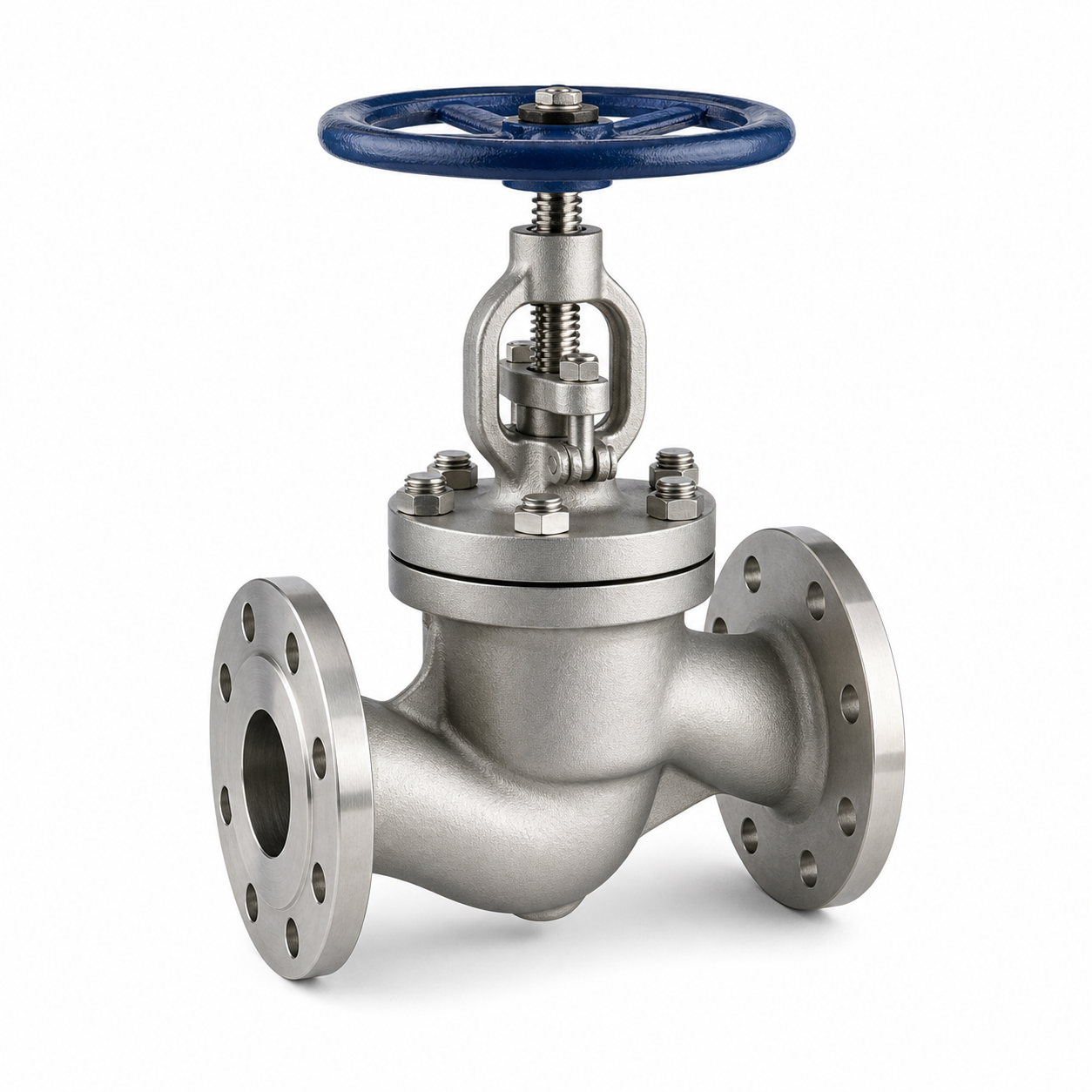
Hastelloy C276 Globe Valve
A premium severe-corrosion valve material for chemical, pollution-control and mixed-acid systems. The globe valve configuration is engineered for frequent isolation and regulated process flow.
What is a Hastelloy C276 Globe Valve?
A Hastelloy C276 Globe Valve combines a nickel-chromium-molybdenum alloy with tungsten and low carbon/silicon, valued for broad resistance in many reducing and oxidizing chemical environments with a linear-motion design in which a disc or plug moves perpendicular to the seat for isolation or controlled throttling.
C276 is selected from detailed chemical compatibility data, including concentration, temperature, oxidizers, reducers, chlorides and process contamination. Pressure drop, cavitation, noise, velocity, plug contour, flow direction and actuator sizing must be checked for throttling service.
Hastelloy C276 Globe Valve specifications
| Product | Hastelloy C276 Globe Valve |
|---|---|
| Valve construction | Bolted-bonnet T-pattern globe valve; Y-pattern or angle pattern as separate engineered options |
| Nominal material | Hastelloy C276 |
| UNS / EN reference | UNS N10276; EN 2.4819 |
| Product forms | Wrought/forged ASTM B564 or B462 UNS N10276 as applicable; cast body grade selected to ASTM A494 and project chemistry requirements |
| Design standards | API 623 and ASME B16.34; API 602 for applicable compact forged designs |
| Pressure testing | API 598 or project-specified shell, backseat and closure testing |
| Pressure rating | ASME Class or PN rating verified against exact material, size, construction and design temperature |
| End connections | RF/RTJ flanged or butt-weld ends according to design |
| Operation | Handwheel, gearbox, pneumatic or electric actuator |
| Documentation | EN 10204 3.1 material records, pressure test report, GA drawing and project inspection records as ordered |
This is an engineered inquiry product, not a universal stock specification. Final availability depends on valve size, pressure class, material form, trim, seat system, operator, quantity and required code edition.
Hastelloy C276 material selection
| Selection point | Engineering guidance |
|---|---|
| Material profile | a nickel-chromium-molybdenum alloy with tungsten and low carbon/silicon, valued for broad resistance in many reducing and oxidizing chemical environments |
| Why it is selected | Broad chemical resistance and useful welded-fabrication performance in many aggressive media. |
| Typical service | Mixed acids, wet chlorine, pollution control, chemical waste treatment and aggressive process streams. |
| Limitations to check | No nickel alloy is universal. Strongly oxidizing hot media, molten salts and service-specific impurities require specialist review. |
| Specification route | Wrought/forged ASTM B564 or B462 UNS N10276 as applicable; cast body grade selected to ASTM A494 and project chemistry requirements |
| Verification | 100 percent PMI where specified, heat traceability, MTC chemistry review and strict material segregation for high-value alloy components. |
Globe Valve design and standards
API 623
Common design basis for steel globe valves with flanged or butt-welding ends.
ASME B16.34
Pressure-temperature, material and general valve requirements within scope.
API 598
Shell, backseat and closure pressure testing when specified.
IEC 60534
Relevant when the product is engineered as a control valve with defined sizing and performance requirements.
Body pattern, plug contour, seat/hardfacing, flow direction, packing, pressure drop and actuator thrust must reflect the actual regulating or isolation duty.
Fire-safe, fugitive-emission, sour-service, oxygen, cryogenic, chlorine and PED requirements apply only when explicitly defined and supported for the exact offered configuration.
Typical applications
| Industry | Material service context | Valve selection focus |
|---|---|---|
| Chemical processing | Mixed acids, reactor systems and corrosive transfer lines | Pressure drop, plug/seat trim, cavitation, flow direction, leakage and operating thrust |
| Pollution control | FGD, scrubber and acidic waste-treatment systems | Pressure drop, plug/seat trim, cavitation, flow direction, leakage and operating thrust |
| Pulp and paper | Selected bleaching and wet-chlorine environments | Pressure drop, plug/seat trim, cavitation, flow direction, leakage and operating thrust |
| Pharmaceutical and fine chemical | Aggressive reagent and multipurpose batch systems | Pressure drop, plug/seat trim, cavitation, flow direction, leakage and operating thrust |
Application examples are not a corrosion or design approval. The end user must verify process chemistry, contaminants, pressure, temperature, velocity, cycling, emissions and regulatory requirements.
Quality, testing and traceability
Heat-number traceability and EN 10204 3.1 records matched to the ordered component specifications.
100 percent PMI where specified, heat traceability, MTC chemistry review and strict material segregation for high-value alloy components.
API 598 or project-specified shell, backseat and closure testing, with acceptance and leakage criteria stated on the order.
GA drawing, dimensions, marking, operation, pressure test and specified NDE/third-party records.
RFQ checklist
- Valve design standard and required edition
- Nominal size and ASME Class or PN rating
- Exact material specifications for pressure boundary, trim, seats, packing and bolting
- T/Y/angle pattern, isolation or throttling duty, flow coefficient/process data and trim contour
- End connection, facing and face-to-face requirement
- Fluid composition, concentration, contaminants and solids
- Design and operating pressure/temperature
- PMI, corrosion testing, NDE, witnessing and document requirements
Frequently asked questions
Is Hastelloy C276 the same as UNS N10276?
UNS N10276 is the standardized alloy designation commonly marketed as Hastelloy C276. Purchase documents should identify the UNS number and governing product specification.
Why is PMI important for C276 valves?
C276 resembles other nickel alloys visually. PMI helps verify key alloying elements and prevents costly material mix-ups during manufacture and maintenance.
Can a cast valve body be specified simply as wrought N10276?
No. Wrought and cast products follow different specifications and may use different grade designations. The cast-body grade must be stated separately and reviewed for equivalent service performance.
Can a globe valve be used for throttling?
Yes, but the plug contour, pressure drop, cavitation, noise, velocity and actuator requirements must be engineered for the actual process.
How does a globe valve differ from a gate valve?
A globe valve provides better regulation but higher pressure drop. A gate valve offers a straighter flow path and is mainly used for full-open/full-closed isolation.
Can Hastelloy C276 be used for every component in this globe valve?
Not automatically. Pressure-boundary, trim, stem or shaft, seating, packing, gasket and bolting materials have different mechanical and corrosion duties. The complete bill of materials must be engineered for the service.
Related Hastelloy C276 valve products
Need a broader comparison? View the general stainless steel and alloy globe valves guide or browse all Globe Valves.
Request a Hastelloy C276 Globe Valve quotation
Send the valve specification, exact material grades, size, pressure class, operating conditions, quantity and inspection requirements for technical review.