
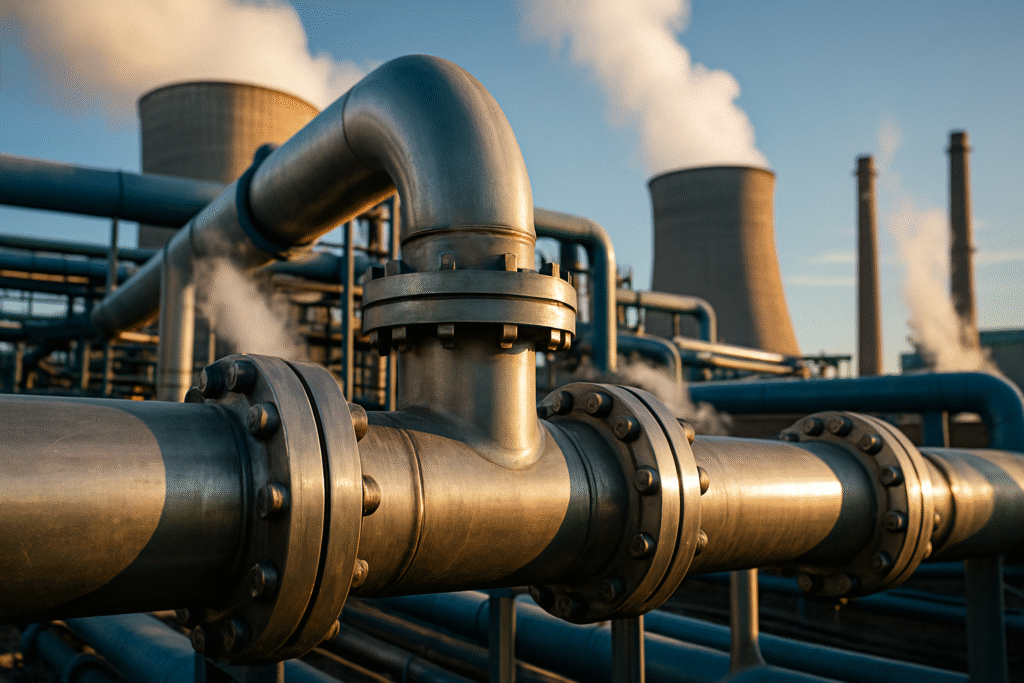
دليل شفة أنابيب الفولاذ المقاوم للصدأ: 7 المزايا المدعومة بالبيانات, أنواع, الاستخدامات, وكيفية الاختيار
يستمر سوق شفة الأنابيب الفولاذية المقاومة للصدأ في التوسع مع التحكم في التآكل, سلامة الضغط, وتصبح تكلفة دورة الحياة من أهم الأولويات بالنسبة للمشترين الصناعيين. وفقا لأبحاث جراند فيو (2024), تم تقييم سوق الفلنجات الصناعية العالمية بـ $5.8 مليار في 2023 ومن المتوقع أن يصل $7.2 مليار بواسطة 2030, which highlights the Hidden Advantages and long-term Versatility of Stainless Steel Flanges in modern Pipe systems.
للمهندسين ومديري المشتريات, the question is no longer whether stainless materials perform well. بدلاً من, the practical issue is how to Choose the right Flanges, الدرجات, المعايير, and facing configurations for demanding process conditions.
Market Drivers Behind Stainless Steel Pipe Flange Demand
Demand for stainless steel pipe flange products is rising because process industries now evaluate total installed cost, تردد الصيانة, and outage risk together. بحسب موقع ستاتيستا (2024), تمثل صناعة النفط والغاز ما يقرب من 35% من استهلاك شفة العالمية, which makes material durability and code compliance central to project success.
بالإضافة إلى ذلك, regional supply capability matters. بحسب موقع IBISWorld (2024), حسابات آسيا والمحيط الهادئ لأكثر من 45% من إنتاج شفة العالمية, مع كون الصين أكبر منتج, so buyers increasingly source from qualified producers with traceable quality systems.
This trend supports manufacturers that combine global standards with efficient production. SASA FLANGE, على سبيل المثال, إمدادات الفولاذ المقاوم للصدأ, الصلب الكربوني, سبيكة, دوبلكس, سبائك النيكل, ومنتجات شفة التيتانيوم للنفط & الغاز, البتروكيماويات, توليد الطاقة, البحرية, معالجة المياه, وأسواق البناء.
Procurement teams also expect more than catalog stock. يريدون EN 10204 3.1 الوثائق, مؤشر مديري المشتريات, hydrostatic testing support, التحقق من الأبعاد, and material traceability from raw forging to finished machining.
نتيجة ل, suppliers must offer much more than commodity parts. They must deliver ASTM-compliant raw materials, ASME dimensional accuracy, and project-specific machining for weld neck, الانزلاق على, أعمى, لحام المقبس, مترابطة, and lap joint Types.
بحسب معلومات موردور (2024), industrial infrastructure investment in energy and water sectors remains a major growth driver for piping components worldwide. لذلك, buyers increasingly prioritize suppliers that can support both replacement maintenance and greenfield EPC packages.
The stainless category remains especially attractive because it balances corrosion resistance, القوة الميكانيكية, قابلية التصنيع, and clean-service suitability. In contrast to coated carbon steel, stainless steel flange assemblies often reduce repainting, contamination risk, and maintenance interventions over long service periods.
كما قال مهندس المواد د. هيلين موريس, أخصائي التآكل, الدول: “When chloride exposure, رطوبة, and cyclic shutdowns combine, stainless flanges often deliver lower lifecycle cost than lower-priced alternatives.” That insight is highly relevant for offshore, كيميائية, وتطبيقات معالجة المياه.
Buyers also compare sourcing risk. مع ISO 9001:2015 وشهادات PED 2014/68/EU, SASA FLANGE aligns manufacturing control with international project requirements while serving customers across 50+ بلدان.
علاوة على ذلك, product breadth affects bid competitiveness. تصنيع الشفاه في 304, 316, 316ل, 904ل, 2205, 2507, درجات A182, إنكونيل, مونيل, هاستيلوي, and Titanium gives project teams flexibility when media chemistry, درجة حرارة التصميم, or corrosion allowance changes late in specification review.
Intriguing Stainless Steel Pipe Flange Technical Guide: الدرجات, التقييمات, والمزايا الخفية
The most Intriguing aspect of a stainless steel pipe flange is its ability to combine leak-tight connection performance with service-specific alloy selection. لكن, the best result depends on matching flange class, تواجه, علم المعادن, سمك الجدار, وبيئة الخدمة.
وفقا لأبحاث السوق في المستقبل (2024), corrosion-resistant alloy demand in industrial processing continues to grow as operators seek longer service life and lower unplanned downtime. لذلك, stainless and duplex Flanges are no longer niche selections in many aggressive media systems.
ASME B16.5 covers dimensions and pressure-temperature ratings for flanges from NPS 1/2 خلال 24, بينما ASME B16.47 يعالج أقطار أكبر (ASME, 2023). ASTM A182 commonly applies to forged stainless and alloy Steel flanges, بينما ASTM A240 relates to plate products used in some fabricated components (ASTM, 2024).
As piping consultant Michael Trent, مهندس الأنابيب الأول, الدول: “A flange failure is rarely caused by one variable alone; الصف المادي, تحميل الترباس, اختيار طوقا, and alignment all matter equally.” This is why experienced buyers review the full joint assembly rather than only the flange material.
Among austenitic grades, 304 and 304L remain common for general industrial service because they provide good weldability and cost efficiency. لكن, 316 and 316L offer enhanced pitting resistance through molybdenum addition, so they are often preferred for chloride-bearing environments.
لخدمة أكثر شدة, 904ل, 2205, و 2507 offer higher resistance to localized corrosion and stress corrosion cracking. فضلاً عن ذلك, nickel alloys such as Inconel, مونيل, and Hastelloy support applications where standard stainless grades may not provide adequate durability.
- 304/304ل: خطوط العملية العامة, أنظمة المياه, خدمة الغذاء الصف, moderate corrosion exposure.
- 316/316ل: Marine atmospheres, نقل كيميائي, التزلج البحرية, chloride-containing media.
- 904ل: Stronger resistance in acidic and high-corrosion environments.
- 2205 دوبلكس: High strength plus improved chloride resistance for offshore and process plants.
- 2507 سوبر دوبلكس: Severe seawater and high-chloride duties.
- التيتانيوم: Outstanding corrosion resistance for specialized chemical and marine systems.
اختيار فئة الضغط لا يقل أهمية. Standard classes include 150, 300, 600, 900, 1500, و 2500 تحت ASME B16.5, and each class must be checked against service temperature because allowable pressure decreases as temperature rises (ASME, 2023).
يؤثر أسلوب المواجهة على الختم. الوجه المرتفع يناسب العديد من الأنظمة الصناعية, يعتبر المفصل من النوع الدائري شائعًا في الخدمة ذات الضغط العالي ودرجة الحرارة العالية, وغالبًا ما يتم تحديد الوجه المسطح لمعدات الحديد الزهر أو التزاوج حيث يجب أن يظل ضغط الفلنجة تحت السيطرة.
تشمل أنواع شفة الفولاذ المقاوم للصدأ الشائعة:
- شفة عنق اللحام للضغط العالي, ارتفاع درجة الحرارة, والواجب الدوري.
- الانزلاق على شفة لسهولة التركيب وخفض التكلفة الأولية.
- شفة عمياء لعزل الخط وإغلاق حدود الضغط.
- شفة لحام المقبس للتجويف الصغير, تطبيقات الضغط العالي.
- شفة ملولبة حيث يكون اللحام غير مرغوب فيه أو مقيد.
- شفة المفصل اللفة للأنظمة التي تحتاج إلى تفكيك متكرر.
يجب أن تتوافق الأبعاد والتفاوتات مع مواصفات الأنابيب المتصلة. لذلك, يجب على المشترين تأكيد الحجم الاسمي, جدول, تتحمل, عرض شفة, تواجه النهاية, نمط الحفر, والمعادن قبل الشراء.
وفقًا لتوجيهات ISO والممارسات الأوروبية, EN 1092 تظل الشفاه شائعة في المشاريع متعددة الجنسيات حيث يتم تحديد الأبعاد المترية وتقييمات PN (EN, 2023). في المقابل, غالبًا ما يتم توحيد معايير مصانع المعالجة في أمريكا الشمالية وفقًا لتصنيفات ASME والتحجيم الاسمي القائم على البوصة.
يجب أن يشمل ضمان الجودة أكثر من مجرد فحص بصري. مدعومة بتصنيع CNC المتقدم واختبار الجودة الشامل, SASA FLANGE يمكن أن تدعم مؤشر مديري المشتريات, فحص الأبعاد, التحقق الكيميائي والميكانيكي, وحزم الوثائق لمشاريع التصدير.
يسأل المشترون أيضًا عن سعر شفة أنابيب الفولاذ المقاوم للصدأ. السعر يعتمد على درجة السبائك, فئة الضغط, طريق تزوير, تقلبات المواد الخام, تعقيد الآلات, متطلبات الاختبار, كمية, وجدول التسليم, لذا فإن المواءمة الفنية في وقت مبكر من إعداد طلب عرض الأسعار تساعد على تجنب دورات المراجعة المكلفة.
على سبيل المثال, أ 4 شفة أنابيب الفولاذ المقاوم للصدأ بوصة في فئة 316L 150 قد يكون واضحا, بينما أ 4 بوصة 2507 فئة آر تي جيه 600 تتطلب الشفة تزويرًا وفحصًا أكثر تخصصًا. بالتالي, يمكن أن تكون الفجوة التجارية بين الأجزاء المتشابهة ظاهريًا كبيرة.
The Hidden Advantages of stainless solutions become clearer over the full asset life. Reduced corrosion maintenance, cleaner service performance, lower replacement frequency, and better reliability often offset higher upfront material cost.
As industry analyst Rachel Dunn states: “In process equipment procurement, the lowest purchase price is not the lowest ownership cost.” That statement reflects the reality of shutdown economics in refinery, الغاز الطبيعي المسال, and chemical processing operations.
المعايير, امتثال, and Inspection Requirements for Stainless Steel Flanges
Standards provide the technical language that allows EPC firms, الوكلاء, and end users to buy with confidence. لذلك, every stainless steel pipe flange order should reference material standard, معيار الأبعاد, فئة الضغط, تواجه, اختبار, and documentation level.
The most frequently specified standards include ASTM A182 للشفاه المزورة غير القابل للصدأ والسبائك, ASME B16.5 for dimensions up to NPS 24, ASME B16.47 لأحجام أكبر, ASME B16.9 for buttweld fittings, و إن 1092 for European pressure classes. DIN, JIS, and GOST standards also remain important in regional and legacy systems.
- ASTM A182: Forged or rolled alloy and stainless Steel pipe flanges, التجهيزات, الصمامات, وأجزاء.
- ASME B16.5: Pipe Flanges and flanged fittings, مصادر القدرة النووية 1/2 ل 24.
- ASME B16.47: الشفاه الفولاذية ذات القطر الكبير, مصادر القدرة النووية 26 ل 60.
- ASME B16.9: تجهيزات اللحام المطاوع المصنوعة في المصنع.
- EN 1092-1: European flanges with PN designations.
- NACE MR0175 / ISO 15156: إرشادات ملاءمة المواد لبيئات الخدمة الحامضة.
بحسب ASME (2023), flange pressure-temperature ratings depend on both material group and design temperature, so the same class number does not carry the same allowable pressure across all materials. This is a critical detail when engineers compare carbon steel and stainless alternatives.
In sour service or chloride-rich applications, NACE requirements may affect material selection and hardness control. بالإضافة إلى, offshore and marine projects may impose additional owner specifications from DNV or NORSOK depending on geography and service severity.
Typical compliance documents requested by professional buyers include EN 10204 3.1 شهادات المواد, إمكانية تتبع رقم الحرارة, تقارير الأبعاد, سجلات مؤشر مديري المشتريات (PMI)., and marking photographs. PED 2014/68/EU documentation may also be required for equipment entering the European Economic Area.
لفرق المشتريات, the comparison below helps clarify common specification checkpoints:
- درجة المادة: 304, 316ل, 904ل, 2205, 2507, التيتانيوم, أو سبائك النيكل.
- معيار: ASTM A182, ASME B16.5, ASME B16.47, DIN, JIS, غوست, EN 1092.
- نطاق الحجم: عادة 1/2 بوصة ل 60 inch depending on design standard.
- تصنيف الضغط: فصل 150 ل 2500 or PN series under EN standards.
- مواجهة: الترددات اللاسلكية, FF, آر تي جيه, or special finish on request.
- التوثيق: EN 10204 3.1, بيد, تقارير التفتيش, third-party witness if required.
وفقا للايزو (2023), certified quality management systems reduce process variability and improve traceability in manufacturing environments. This is one reason major projects prefer suppliers with established quality frameworks and auditable procedures.
مع ISO 9001:2015, بيد 2014/68/الاتحاد الأوروبي, و م 2000 أوراق اعتماد, SASA FLANGE supports project requirements that demand documented process control and export-ready compliance. فضلاً عن ذلك, مقاسات مخصصة من 1/2 بوصة ل 60 inch with factory-direct pricing help buyers consolidate sourcing across standard and special orders.
للتحقق الفني, engineers should still review the original standards directly through authoritative sources such as ASME. Doing so ensures the specified stainless steel pipe flange matches the latest dimensional and rating requirements before final release.
Application-Specific Selection: How to Choose Stainless Steel Flanges for Critical Industries
Selection should begin with service conditions rather than with catalog habit. تكوين وسائل الإعلام, محتوى الكلوريد, ركوب الدراجات الضغط, درجة حرارة التصميم, حالة العزل, and maintenance philosophy all influence the best stainless steel pipe flange choice.
في النفط والغاز, flange leakage can trigger major safety and environmental consequences. وبما أن القطاع يمثل حوالي 35% من استهلاك شفة العالمي وفقا لStatista (2024), operators often prioritize weld neck, آر تي جيه, دوبلكس, and higher-class flange configurations in upstream and process units.
For petrochemical service, 316ل, 904ل, and selected nickel alloys often appear where aggressive chemicals or mixed process streams create corrosion risks. لذلك, material review should include both normal operating chemistry and upset conditions.
Power generation projects often focus on temperature, ضغط, والتعب. في هذه الأنظمة, forged flanges with precise machining, controlled metallurgy, and strong QA records help maintain joint integrity through thermal cycling.
Marine and shipbuilding environments introduce seawater, رذاذ الملح, and humidity. نتيجة ل, 316ل, دوبلكس 2205, والسوبر دوبلكس 2507 frequently offer stronger durability than basic austenitic grades in exposed service.
Water treatment facilities also rely heavily on corrosion resistant flanges because chemical dosing, المطهرات, and wet atmospheres accelerate material degradation. علاوة على ذلك, stainless solutions often support cleaner service and lower maintenance in potable or process-water infrastructure.
- Choose 304/304L for general service with moderate corrosion exposure and budget sensitivity.
- Choose 316/316L for marine, الحاملة للكلوريد, or more aggressive industrial environments.
- Choose duplex 2205 for higher strength and improved chloride resistance.
- يختار 2507 or nickel alloys for severe corrosion, في الخارج, or critical process lines.
- Choose titanium for highly specialized chemical and marine exposure where exceptional corrosion resistance is required.
Selection should also consider connection and maintenance strategy. على سبيل المثال, threaded stainless steel pipe flange designs may suit low-pressure utility lines where welding must be avoided, while weld neck flanges fit critical process piping with higher stress concentration concerns.
Here is a practical industry guide for common Uses:
- زيت & الغاز: لحام الرقبة RTJ, 316ل, 2205, 2507, فصل 600 and above where required.
- المعالجة الكيميائية: 316ل, 904ل, هاستيلوي, Monel depending on media compatibility.
- محطات توليد الطاقة: Forged weld neck or blind flanges with elevated pressure-temperature review.
- البحرية: 316ل, دوبلكس, titanium for seawater and deck exposure.
- معالجة المياه: 304L or 316L depending on chemistry and cleanliness requirements.
- Construction and General Industry: Slip on and blind flanges for utility and equipment tie-ins.
Custom manufacturing remains essential because many projects require special bores, الحفر غير القياسي, unique facing, أو الحزم القياسية المختلطة. For projects requiring tailored dimensions, يمكن للمشترين اتصال SASA FLANGE for custom forged and machined solutions across stainless, سبيكة, and special materials.
Lead time should be reviewed as early as technical selection. Although standard 304 و 316 items may be available quickly, سوبر دوبلكس, الشفاه التيتانيوم, F11 flanges, and heavy-section large diameters usually require longer manufacturing cycles and more inspection stages.
Procurement teams should also confirm whether the supplier can provide associated elbows, المحملات, مخفضات, and caps under ASME B16.9. يمكن أن يؤدي تجميع الفلنجات والتجهيزات من مصدر واحد مؤهل إلى تبسيط الخدمات اللوجستية, تخطيط التفتيش, ومراقبة التوثيق.
النظرة المستقبلية, توصيات الشراء الاستراتيجية, والقيمة طويلة الأجل
يبدو مستقبل قطاع شفة أنابيب الفولاذ المقاوم للصدأ إيجابيًا بسبب الطاقة, ماء, البحرية, وتستمر الصناعات التحويلية في تطوير البنية التحتية. وفقا لأبحاث جراند فيو (2024), ومن المتوقع أن ينمو السوق من $5.8 مليار في 2023 ل $7.2 مليار بواسطة 2030, مما يشير إلى الطلب المستمر على مكونات الاتصال عالية الأداء.
في نفس الوقت, يواجه المشترون مزيدًا من التدقيق بشأن تكلفة دورة الحياة, الانبعاثات, والموثوقية. لذلك, يجب أن تظل المواد التي توفر متانة أفضل وانقطاعات صيانة أقل ذات أهمية استراتيجية.
يمكن لمديري المشتريات تحسين النتائج من خلال توحيد المراجعة الفنية قبل إصدار طلب عرض الأسعار. وهذا يشمل تأكيد الدرجة, مرجع مخطط شفة, فصل, تواجه, مقاس, عرض شفة, كمية, الوثائق, واحتياجات الامتثال الخاصة بالمشروع.
يجب على المهندسين أيضًا مقارنة أكثر من سعر الوحدة. يمكن أن تؤدي الفلنجة منخفضة التكلفة التي تتطلب استبدالًا مبكرًا أو تسبب مشكلات في الختم إلى خسائر إيقاف تشغيل أكبر من المكونات عالية الجودة.
وتشمل ممارسات المصادر الموصى بها:
- تحديد المواد الدقيقة والمعايير, ليس فقط وصفًا عامًا غير قابل للصدأ.
- تطابق فئة الضغط وتواجه التصميم المشترك الكامل.
- طلب EN 10204 3.1 الشهادات وإمكانية التتبع للخدمة الهامة.
- تأكيد إمكانية المعالجة الآلية للثقوب المخصصة والأبعاد غير القياسية.
- تقييم شهادات الموردين, تجربة التصدير, وسرعة الاستجابة.
بحسب موقع IBISWorld (2024), تظل الصين أكبر قاعدة تصنيعية داخل المنطقة المسؤولة عن أكثر من ذلك 45% من إنتاج شفة العالمية. بالتالي, يمكن أن يؤدي اختيار شركة مصنعة قوية تقنيًا وتركز على الجودة في سلسلة التوريد هذه إلى تحسين اقتصاديات المشروع ومرونة التسليم.
للشركات التي تبحث عن مصدر موثوق للفولاذ المقاوم للصدأ, دوبلكس, سبيكة, ومنتجات شفة التيتانيوم, SASA FLANGE يقدم الدعم الهندسي, تغطية مادية واسعة, and documented quality systems for international B2B projects. That combination helps buyers turn specification clarity into procurement confidence.
الأسئلة المتداولة
أيهما أفضل 304 أو 420 الفولاذ المقاوم للصدأ?
●304 stainless steel is generally better for stainless steel pipe flange applications because it offers stronger corrosion resistance and weldability than 420 في معظم بيئات الأنابيب الصناعية.
●According to ASTM material usage patterns in process industries, 304 and 304L are far more common for fabricated piping components, بينما 420 is usually selected for hardness-focused parts rather than corrosion-critical flange joints.
●من الناحية العملية, 420 is a martensitic stainless grade with higher carbon content, so it can achieve greater hardness after heat treatment, but it does not match 304 for resistance to wet service, المواد الكيميائية, or atmospheric corrosion in typical plant conditions.
●لفرق المشتريات, the selection should follow service exposure rather than generic grade popularity, because moderate water, طعام, جدوى, and clean process duties often favor 304, while wear-oriented mechanical parts may justify 420.
●For projects requiring corrosion resistance, الامتثال للكود, and stable supply in ASTM A182 forged flange materials, العمل مع الشركات المصنعة القائمة مثل SASA FLANGE supports a more reliable specification decision.
ما هي الشفاه الفولاذ المقاوم للصدأ المستخدمة ل?
●تستخدم الشفاه المصنوعة من الفولاذ المقاوم للصدأ لتوصيل الأنابيب, الصمامات, مضخات, أوعية الضغط, and inline equipment while allowing assembly, تقتيش, صيانة, والتفكيك الآمن.
●بحسب موقع ستاتيستا (2024), يمثل النفط والغاز حوالي 35% من استهلاك شفة العالمية, which shows how critical flanged joints remain in high-value industrial piping systems.
●These components are widely used in petrochemical plants, المنصات البحرية, محطات الطاقة, بناء السفن, مرافق معالجة المياه, خطوط تجهيز الأغذية, and general manufacturing because stainless materials provide corrosion resistance and dependable sealing performance.
●Common applications include process piping tie-ins, tank nozzles, skid connections, isolation points with blind flanges, and maintenance-intensive systems where bolted joints are preferred over permanent welded connections.
●For systems that demand 304, 316ل, دوبلكس, or titanium materials with traceable certification and custom machining, sourcing through experienced suppliers like SASA FLANGE helps reduce operational and documentation risk.
ما هو رمز ASME للفلنجات المصنوعة من الفولاذ المقاوم للصدأ?
●The main ASME standards for stainless steel flanges are ASME B16.5 لمصادر القدرة النووية 1/2 ل 24 و ASME B16.47 لأقطار أكبر, while material is often specified under ASTM A182.
●بحسب ASME (2023), pressure-temperature ratings depend on flange class, مجموعة مادية, ودرجة حرارة الخدمة, so engineers must verify the full rating table rather than relying on class number alone.
●In project documentation, buyers typically reference ASME B16.5 or B16.47 for dimensions, تواجه, حفر, والتصنيف, then combine that with ASTM A182 grade requirements such as F304, F304L, F316, أو F316L.
●Additional requirements may include ASME B31.3 for process piping design, NACE MR0175 للخدمة الحامضة, أو إن 1092 where European metric systems are specified.
●للأوامر الحرجة, buyers should confirm the exact standard edition and inspection package with qualified manufacturers like SASA FLANGE before issuing a purchase order.
ما هي الأنواع الثلاثة من الشفاه?
●أنواع الفلنجات الثلاثة الأكثر شهرة على نطاق واسع في المناقشة الصناعية الأساسية هي الفلنجات ذات الرقبة الملحومة, الانزلاق على الشفاه, والشفاه العمياء.
●تُفضل الشفاه ذات الرقبة الملحومة للخدمة ذات الضغط العالي أو الدورية لأن محورها المستدق يعمل على تحسين توزيع الضغط, بينما تكون الفلنجات المنزلقة أسهل في المحاذاة وغالبًا ما يتم اختيارها لأنظمة الضغط المنخفض.
●تُستخدم الشفاه العمياء لإغلاق نهاية نظام الأنابيب, فوهة السفينة, أو نقطة التوسع المستقبلية, وهي حاسمة للاختبار, عزل, وتخطيط الصيانة في المنشآت الصناعية.
●لكن, يجب على المهندسين أن يتذكروا لحام المقبس, مترابطة, والشفاه المفصلية هي أيضًا أنواع قياسية ضمن أنظمة ASME, لذلك يعتمد الاختيار الفعلي على حجم الخط, فئة الضغط, نهج اللحام, والوصول إلى الصيانة.
●للمشترين الذين يحتاجون إلى إرشادات بشأن تفسير مخطط الحافة, مواجهة الخيارات, أو التجاويف المخصصة عبر الفولاذ المقاوم للصدأ, سبيكة, دوبلكس, ودرجات التيتانيوم, منتج ذو خبرة مثل SASA FLANGE يمكن أن توفر الدعم الخاص بالتطبيق.
ما هي العوامل التي تؤثر على سعر شفة أنابيب الفولاذ المقاوم للصدأ?
●يتأثر سعر شفة أنابيب الفولاذ المقاوم للصدأ بشكل رئيسي بدرجة السبائك, مقاس, فئة الضغط, تكلفة تزوير, تعقيد الآلات, نطاق الاختبار, وكمية الطلب.
●وفقا لأبحاث جراند فيو (2024), تم الوصول إلى سوق الفلنجات الصناعية الأوسع $5.8 مليار في 2023, ويعكس هذا النطاق كيف يمكن لتقلبات المواد الخام وتكاليف الطاقة أن تؤثر على الأسعار عبر سلسلة التوريد.
●أ 2 بوصة أو 4 بوصة شفة أنابيب الفولاذ المقاوم للصدأ في 304 أو فئة 316L 150 قد يكون قياسيًا نسبيًا, ولكن أحجام أكبر, واجهات RTJ, الدرجات المزدوجة, الشفاه التيتانيوم, ومتطلبات التسليم العاجلة عادة ما تزيد من تكلفة الوحدة بشكل كبير.
●متطلبات التوثيق مثل EN 10204 3.1 شهادات, مؤشر مديري المشتريات, تفتيش طرف ثالث, كما يمكن للامتثال لـ PED أن يضيف قيمة وتكلفة قابلة للقياس, وخاصة بالنسبة للتصدير أو المشاريع المنظمة.
●استراتيجية الشراء الأكثر فعالية هي تقديم طلب عرض أسعار كامل مع الحجم, جدول, فصل, تواجه, معيار, كمية, ومتطلبات الشهادة بحيث يعكس السعر المعروض النطاق الفني الحقيقي.
كيف أختار أحجام شفة أنابيب الفولاذ المقاوم للصدأ المناسبة ومرجع مخطط الحافة?
●يجب عليك اختيار حجم الحافة عن طريق مطابقة حجم الأنبوب الاسمي, جدول الحائط, تتحمل, فئة الضغط, and dimensional standard such as ASME B16.5, ASME B16.47, أو إن 1092.
●بحسب ASME (2023), dimensional compatibility across bolt circle, تتحمل, تواجه, and thickness is essential for sealing integrity, which is why flange chart verification remains a basic engineering control step.
●في الممارسة العملية, buyers should confirm whether the project uses inch or metric standards, then review the correct flange chart for outside diameter, فتحات الترباس, عرض شفة, ارتفاع الوجه المرتفع, and pressure-temperature class.
●This step becomes especially important when ordering stainless steel flange types for mixed-standard facilities, replacement maintenance, or custom fabrication involving threaded pipe flange or large-diameter blind flange configurations.
●For projects that require exact chart matching and custom manufacturing from 1/2 بوصة ل 60 بوصة, consulting a specialized supplier such as SASA FLANGE helps avoid fit-up delays and costly field rework.
الوظائف ذات الصلة
شفة الوجه النهاية: شرح متحدة المركز مقابل التسنينات الحلزونية
تعتبر كل من المسننات المركزة واللولبية عبارة عن تشطيبات وجه شفة مُشكَّلة آليًا…
دوبلكس 2205 مقابل الشفاه 316L: ما هي المواد التي يجب عليك اختيارها؟?
إجابة سريعة: دوبلكس 2205 الشفاه عادة ما تكون المرشح الأقوى…

تعريف شفة الفوهة, التفاصيل ونظرة عامة على الشفاه ASME B16.36: بيانات السوق, دليل الاختيار ورؤى الامتثال
تم تقييم سوق الفلنجات الصناعية العالمية بـ $5.8 مليار…

دليل سوق شفة التخلص الأسود: مواد, 3.5″ التوافق, وبيانات مصادر B2B لحواف حوض المطبخ
يتزايد الطلب على شفة التخلص السوداء مع المشترين لتركيبات المطبخ…