
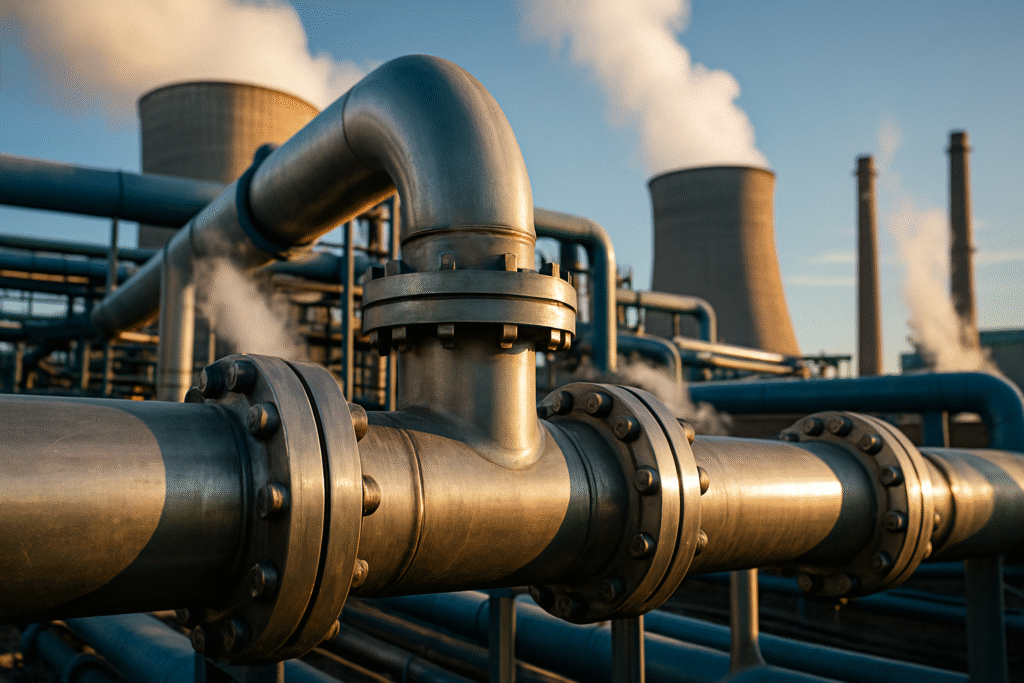
คู่มือแปลนท่อสแตนเลส: 7 ข้อดีที่ได้รับการสนับสนุนจากข้อมูล, ประเภท, การใช้งาน, และวิธีการเลือก
ตลาดหน้าแปลนท่อสแตนเลสยังคงขยายตัวอย่างต่อเนื่องเนื่องจากการควบคุมการกัดกร่อน, ความสมบูรณ์ของความดัน, และต้นทุนตลอดอายุการใช้งานกลายเป็นสิ่งที่สำคัญที่สุดสำหรับผู้ซื้อในอุตสาหกรรม. จากการวิจัยของแกรนด์วิว (2024), ตลาดหน้าแปลนอุตสาหกรรมทั่วโลกมีมูลค่าอยู่ที่ $5.8 พันล้านใน 2023 และคาดว่าจะไปถึง $7.2 พันล้านโดย 2030, which highlights the Hidden Advantages and long-term Versatility of Stainless Steel Flanges in modern Pipe systems.
สำหรับวิศวกรและผู้จัดการฝ่ายจัดซื้อ, the question is no longer whether stainless materials perform well. แทน, the practical issue is how to Choose the right Flanges, เกรด, มาตรฐาน, and facing configurations for demanding process conditions.
Market Drivers Behind Stainless Steel Pipe Flange Demand
Demand for stainless steel pipe flange products is rising because process industries now evaluate total installed cost, ความถี่ในการบำรุงรักษา, and outage risk together. ตามสถิติของสตาติสต้า (2024), อุตสาหกรรมน้ำมันและก๊าซมีสัดส่วนประมาณ 35% ของการบริโภคหน้าแปลนทั่วโลก, which makes material durability and code compliance central to project success.
นอกจากนี้, regional supply capability matters. อ้างอิงจาก IBISWorld (2024), บัญชีเอเชียแปซิฟิกมีมากกว่า 45% ของการผลิตหน้าแปลนทั่วโลก, โดยจีนเป็นผู้ผลิตรายใหญ่ที่สุด, so buyers increasingly source from qualified producers with traceable quality systems.
This trend supports manufacturers that combine global standards with efficient production. SASA FLANGE, ตัวอย่างเช่น, supplies stainless steel, เหล็กกล้าคาร์บอน, โลหะผสม, ดูเพล็กซ์, โลหะผสมนิกเกิล, and titanium flange products for Oil & แก๊ส, ปิโตรเคมี, การผลิตไฟฟ้า, มารีน, การบำบัดน้ำ, และตลาดการก่อสร้าง.
Procurement teams also expect more than catalog stock. พวกเขาต้องการ EN 10204 3.1 เอกสารประกอบ, พีเอ็มไอ, รองรับการทดสอบอุทกสถิต, การตรวจสอบมิติ, and material traceability from raw forging to finished machining.
ส่งผลให้, suppliers must offer much more than commodity parts. They must deliver ASTM-compliant raw materials, ASME dimensional accuracy, and project-specific machining for weld neck, ลื่นบน, ตาบอด, เชื่อมซ็อกเก็ต, เกลียว, and lap joint Types.
ตามข้อมูลของ Mordor Intelligence (2024), industrial infrastructure investment in energy and water sectors remains a major growth driver for piping components worldwide. ดังนั้น, buyers increasingly prioritize suppliers that can support both replacement maintenance and greenfield EPC packages.
The stainless category remains especially attractive because it balances corrosion resistance, ความแข็งแรงทางกล, ความสามารถในการประดิษฐ์, and clean-service suitability. In contrast to coated carbon steel, stainless steel flange assemblies often reduce repainting, ความเสี่ยงในการปนเปื้อน, and maintenance interventions over long service periods.
ในฐานะวิศวกรวัสดุ ดร. เฮเลน มอร์ริส, ผู้เชี่ยวชาญด้านการกัดกร่อน, รัฐ: “When chloride exposure, ความชื้น, and cyclic shutdowns combine, stainless flanges often deliver lower lifecycle cost than lower-priced alternatives.” That insight is highly relevant for offshore, เคมี, และการใช้งานบำบัดน้ำ.
Buyers also compare sourcing risk. กับ ISO 9001:2015 และการรับรอง PED 2014/68/EU, SASA FLANGE aligns manufacturing control with international project requirements while serving customers across 50+ ประเทศ.
นอกจากนี้, product breadth affects bid competitiveness. การผลิตหน้าแปลนใน 304, 316, 316ล, 904ล, 2205, 2507, เกรด A182, อินโคเนล, โมเนล, ฮาสเตลลอย, and Titanium gives project teams flexibility when media chemistry, อุณหภูมิการออกแบบ, or corrosion allowance changes late in specification review.
Intriguing Stainless Steel Pipe Flange Technical Guide: เกรด, การให้คะแนน, และข้อดีที่ซ่อนอยู่
The most Intriguing aspect of a stainless steel pipe flange is its ability to combine leak-tight connection performance with service-specific alloy selection. อย่างไรก็ตาม, the best result depends on matching flange class, หันหน้าไปทาง, โลหะวิทยา, ความหนาของผนัง, และสภาพแวดล้อมการบริการ.
ตามการวิจัยตลาดอนาคต (2024), corrosion-resistant alloy demand in industrial processing continues to grow as operators seek longer service life and lower unplanned downtime. ดังนั้น, stainless and duplex Flanges are no longer niche selections in many aggressive media systems.
ASME B16.5 covers dimensions and pressure-temperature ratings for flanges from NPS 1/2 ผ่าน 24, ในขณะที่ ASME B16.47 จัดการกับเส้นผ่านศูนย์กลางที่ใหญ่กว่า (ASME, 2023). ASTM A182 commonly applies to forged stainless and alloy Steel flanges, ในทางตรงกันข้าม ASTM A240 relates to plate products used in some fabricated components (ASTM, 2024).
ในฐานะที่ปรึกษาด้านการวางท่อ Michael Trent, วิศวกรท่ออาวุโส, รัฐ: “A flange failure is rarely caused by one variable alone; เกรดวัสดุ, โหลดโบลต์, ทางเลือกปะเก็น, and alignment all matter equally.” This is why experienced buyers review the full joint assembly rather than only the flange material.
ในบรรดาเกรดออสเทนนิติก, 304 and 304L remain common for general industrial service because they provide good weldability and cost efficiency. อย่างไรก็ตาม, 316 and 316L offer enhanced pitting resistance through molybdenum addition, so they are often preferred for chloride-bearing environments.
เพื่อการบริการที่รุนแรงยิ่งขึ้น, 904ล, 2205, และ 2507 offer higher resistance to localized corrosion and stress corrosion cracking. นอกจากนี้, โลหะผสมนิกเกิล เช่น อินโคเนล, โมเนล, and Hastelloy support applications where standard stainless grades may not provide adequate durability.
- 304/304ล: สายกระบวนการทั่วไป, ระบบน้ำ, บริการเกรดอาหาร, moderate corrosion exposure.
- 316/316ล: Marine atmospheres, การถ่ายโอนสารเคมี, ลื่นไถลนอกชายฝั่ง, สื่อที่ประกอบด้วยคลอไรด์.
- 904ล: Stronger resistance in acidic and high-corrosion environments.
- 2205 ดูเพล็กซ์: High strength plus improved chloride resistance for offshore and process plants.
- 2507 ซุปเปอร์ดูเพล็กซ์: Severe seawater and high-chloride duties.
- ไทเทเนียม: Outstanding corrosion resistance for specialized chemical and marine systems.
การเลือกระดับความดันก็มีความสำคัญไม่แพ้กัน. Standard classes include 150, 300, 600, 900, 1500, และ 2500 ภายใต้ ASME B16.5, and each class must be checked against service temperature because allowable pressure decreases as temperature rises (ASME, 2023).
Facing style influences sealing. Raised face suits many industrial systems, ring type joint is common in high-pressure and high-temperature service, and flat face is often specified for cast iron or mating equipment where flange stress must remain controlled.
Common Stainless Steel Flange Types include:
- หน้าแปลนเชื่อมคอสำหรับแรงดันสูง, อุณหภูมิสูง, and cyclic duty.
- Slip on flange for easier installation and lower initial cost.
- Blind flange for line isolation and pressure boundary closure.
- หน้าแปลนเชื่อมซอคเก็ตสำหรับรูขนาดเล็ก, การใช้งานแรงดันสูง.
- Threaded flange where welding is undesirable or restricted.
- หน้าแปลนข้อต่อตักสำหรับระบบที่ต้องรื้อบ่อยครั้ง.
Dimensions and tolerances must match the connected Pipe specification. ดังนั้น, buyers should confirm nominal size, กำหนดการ, เบื่อ, ความกว้างของหน้าแปลน, หันหน้าไปทางจบ, รูปแบบการเจาะ, and metallurgy before purchase.
According to ISO guidance and European practice, EN 1092 flanges remain common in multinational projects where metric dimensions and PN ratings are specified (EN, 2023). ในทางตรงกันข้าม, North American process plants often standardize around ASME ratings and inch-based nominal sizing.
Quality assurance should include more than a visual check. ได้รับการสนับสนุนจากเครื่องจักร CNC ขั้นสูงและการทดสอบคุณภาพที่ครอบคลุม, SASA FLANGE can support PMI, การตรวจสอบมิติ, chemical and mechanical verification, and documentation packages for export projects.
Buyers also ask about stainless steel pipe flange price. Price depends on alloy grade, ระดับความดัน, เส้นทางการปลอม, ความผันผวนของวัตถุดิบ, ความซับซ้อนของเครื่องจักร, ข้อกำหนดการทดสอบ, ปริมาณ, และกำหนดการส่งมอบ, so technical alignment early in RFQ preparation helps avoid costly revision cycles.
ตัวอย่างเช่น, ก 4 inch stainless steel pipe flange in 316L Class 150 may be straightforward, ในขณะที่ก 4 นิ้ว 2507 RTJ Class 600 flange requires more specialized forging and inspection. เพราะเหตุนี้, the commercial gap between apparently similar parts can be significant.
The Hidden Advantages of stainless solutions become clearer over the full asset life. Reduced corrosion maintenance, cleaner service performance, ความถี่ในการเปลี่ยนต่ำกว่า, and better reliability often offset higher upfront material cost.
As industry analyst Rachel Dunn states: “In process equipment procurement, the lowest purchase price is not the lowest ownership cost.” That statement reflects the reality of shutdown economics in refinery, แอลเอ็นจี, and chemical processing operations.
มาตรฐาน, การปฏิบัติตาม, and Inspection Requirements for Stainless Steel Flanges
Standards provide the technical language that allows EPC firms, คนสต๊อกสินค้า, and end users to buy with confidence. ดังนั้น, every stainless steel pipe flange order should reference material standard, มาตรฐานมิติ, ระดับความดัน, หันหน้าไปทาง, การทดสอบ, และระดับเอกสาร.
The most frequently specified standards include ASTM A182 for forged stainless and alloy flanges, ASME B16.5 for dimensions up to NPS 24, ASME B16.47 สำหรับขนาดที่ใหญ่ขึ้น, ASME B16.9 for buttweld fittings, และภาษาอังกฤษ 1092 for European pressure classes. DIN, JIS, and GOST standards also remain important in regional and legacy systems.
- ASTM A182: Forged or rolled alloy and stainless Steel pipe flanges, ฟิตติ้ง, วาล์ว, และชิ้นส่วน.
- ASME B16.5: Pipe Flanges and flanged fittings, กรมอุทยานฯ 1/2 ถึง 24.
- ASME B16.47: หน้าแปลนเหล็กเส้นผ่านศูนย์กลางขนาดใหญ่, กรมอุทยานฯ 26 ถึง 60.
- ASME B16.9: อุปกรณ์เชื่อมชนที่ทำจากโรงงาน.
- EN 1092-1: European flanges with PN designations.
- NACE MR0175 / ISO 15156: คำแนะนำเกี่ยวกับความเหมาะสมของวัสดุสำหรับสภาพแวดล้อมการบริการที่มีรสเปรี้ยว.
ตามข้อมูลของ ASME (2023), flange pressure-temperature ratings depend on both material group and design temperature, so the same class number does not carry the same allowable pressure across all materials. This is a critical detail when engineers compare carbon steel and stainless alternatives.
In sour service or chloride-rich applications, NACE requirements may affect material selection and hardness control. นอกจากนี้, offshore and marine projects may impose additional owner specifications from DNV or NORSOK depending on geography and service severity.
Typical compliance documents requested by professional buyers include EN 10204 3.1 ใบรับรองวัสดุ, การติดตามหมายเลขความร้อน, รายงานมิติ, บันทึก PMI, and marking photographs. PED 2014/68/EU documentation may also be required for equipment entering the European Economic Area.
สำหรับทีมงานจัดซื้อ, the comparison below helps clarify common specification checkpoints:
- เกรดวัสดุ: 304, 316ล, 904ล, 2205, 2507, ไทเทเนียม, หรือโลหะผสมนิกเกิล.
- มาตรฐาน: ASTM A182, ASME B16.5, ASME B16.47, DIN, JIS, GOST, EN 1092.
- ช่วงขนาด: โดยทั่วไป 1/2 นิ้วถึง 60 inch depending on design standard.
- ระดับความดัน: ระดับ 150 ถึง 2500 or PN series under EN standards.
- เผชิญหน้า: รฟ, เอฟเอฟ, RTJ, or special finish on request.
- เอกสารประกอบ: EN 10204 3.1, พีอีดี, รายงานการตรวจสอบ, third-party witness if required.
ตามมาตรฐานไอเอสโอ (2023), certified quality management systems reduce process variability and improve traceability in manufacturing environments. This is one reason major projects prefer suppliers with established quality frameworks and auditable procedures.
กับ ISO 9001:2015, พีอีดี 2014/68/สหภาพยุโรป, และโฆษณา 2000 ข้อมูลรับรอง, SASA FLANGE supports project requirements that demand documented process control and export-ready compliance. นอกจากนี้, ขนาดที่กำหนดเองจาก 1/2 นิ้วถึง 60 inch with factory-direct pricing help buyers consolidate sourcing across standard and special orders.
For technical verification, engineers should still review the original standards directly through authoritative sources such as ASME. Doing so ensures the specified stainless steel pipe flange matches the latest dimensional and rating requirements before final release.
Application-Specific Selection: How to Choose Stainless Steel Flanges for Critical Industries
Selection should begin with service conditions rather than with catalog habit. องค์ประกอบของสื่อ, ปริมาณคลอไรด์, การปั่นจักรยานด้วยแรงดัน, อุณหภูมิการออกแบบ, สภาพฉนวน, and maintenance philosophy all influence the best stainless steel pipe flange choice.
ในน้ำมันและก๊าซ, flange leakage can trigger major safety and environmental consequences. เนื่องจากภาคเป็นตัวแทนเกี่ยวกับ 35% ของการใช้หน้าแปลนทั่วโลกตาม Statista (2024), operators often prioritize weld neck, RTJ, ดูเพล็กซ์, and higher-class flange configurations in upstream and process units.
For petrochemical service, 316ล, 904ล, and selected nickel alloys often appear where aggressive chemicals or mixed process streams create corrosion risks. ดังนั้น, material review should include both normal operating chemistry and upset conditions.
โครงการผลิตไฟฟ้ามักเน้นเรื่องอุณหภูมิ, ความดัน, และความเหนื่อยล้า. ในระบบเหล่านี้, forged flanges with precise machining, controlled metallurgy, and strong QA records help maintain joint integrity through thermal cycling.
Marine and shipbuilding environments introduce seawater, สเปรย์เกลือ, และความชื้น. ส่งผลให้, 316ล, ดูเพล็กซ์ 2205, และซูเปอร์ดูเพล็กซ์ 2507 frequently offer stronger durability than basic austenitic grades in exposed service.
Water treatment facilities also rely heavily on corrosion resistant flanges because chemical dosing, ยาฆ่าเชื้อ, and wet atmospheres accelerate material degradation. นอกจากนี้, stainless solutions often support cleaner service and lower maintenance in potable or process-water infrastructure.
- Choose 304/304L for general service with moderate corrosion exposure and budget sensitivity.
- Choose 316/316L for marine, คลอไรด์แบริ่ง, or more aggressive industrial environments.
- Choose duplex 2205 for higher strength and improved chloride resistance.
- เลือก 2507 or nickel alloys for severe corrosion, นอกชายฝั่ง, or critical process lines.
- Choose titanium for highly specialized chemical and marine exposure where exceptional corrosion resistance is required.
Selection should also consider connection and maintenance strategy. ตัวอย่างเช่น, threaded stainless steel pipe flange designs may suit low-pressure utility lines where welding must be avoided, while weld neck flanges fit critical process piping with higher stress concentration concerns.
Here is a practical industry guide for common Uses:
- น้ำมัน & แก๊ส: เชื่อมคอ RTJ, 316ล, 2205, 2507, ระดับ 600 and above where required.
- การแปรรูปทางเคมี: 316ล, 904ล, ฮาสเตลลอย, Monel depending on media compatibility.
- โรงไฟฟ้า: Forged weld neck or blind flanges with elevated pressure-temperature review.
- มารีน: 316ล, ดูเพล็กซ์, titanium for seawater and deck exposure.
- การบำบัดน้ำ: 304L or 316L depending on chemistry and cleanliness requirements.
- Construction and General Industry: Slip on and blind flanges for utility and equipment tie-ins.
การผลิตตามสั่งยังคงมีความสำคัญเนื่องจากหลายโครงการต้องการการเจาะแบบพิเศษ, การเจาะที่ไม่เป็นมาตรฐาน, ใบหน้าที่เป็นเอกลักษณ์, หรือแพ็คเกจมาตรฐานแบบผสม. สำหรับโครงการที่ต้องการขนาดที่ปรับให้เหมาะสม, ผู้ซื้อสามารถ ติดต่อ SASA FLANGE สำหรับโซลูชันฟอร์จและกลึงแบบกำหนดเองบนสเตนเลส, โลหะผสม, และวัสดุพิเศษ.
ระยะเวลารอคอยสินค้าควรได้รับการตรวจสอบตั้งแต่ช่วงการคัดเลือกทางเทคนิค. ถึงแม้ว่าจะได้มาตรฐานก็ตาม 304 และ 316 สินค้าอาจจะมีจำหน่ายอย่างรวดเร็ว, ซูเปอร์ดูเพล็กซ์, หน้าแปลนไทเทเนียม, หน้าแปลน F11, และเส้นผ่านศูนย์กลางขนาดใหญ่ของหน้าตัดที่มีน้ำหนักมาก มักจะต้องใช้รอบการผลิตที่นานกว่าและขั้นตอนการตรวจสอบที่มากกว่า.
ทีมจัดซื้อควรยืนยันว่าซัพพลายเออร์สามารถจัดหาข้อศอกที่เกี่ยวข้องได้หรือไม่, เสื้อยืด, ตัวลด, และหมวกด้านล่าง ASME B16.9. การรวมหน้าแปลนและข้อต่อจากแหล่งที่ผ่านการรับรองเพียงแห่งเดียวช่วยลดความยุ่งยากในการขนส่ง, การวางแผนการตรวจสอบ, และการควบคุมเอกสาร.
แนวโน้มในอนาคต, คำแนะนำการซื้อเชิงกลยุทธ์, และมูลค่าระยะยาว
อนาคตของส่วนหน้าแปลนท่อสแตนเลสจะดูเป็นบวกเพราะพลังงาน, น้ำ, ทะเล, และอุตสาหกรรมกระบวนการยังคงอัปเกรดโครงสร้างพื้นฐานอย่างต่อเนื่อง. จากการวิจัยของแกรนด์วิว (2024), คาดว่าตลาดจะเติบโตจาก $5.8 พันล้านใน 2023 ถึง $7.2 พันล้านโดย 2030, which signals steady demand for high-performance connection components.
ในเวลาเดียวกัน, buyers face more scrutiny on lifecycle cost, การปล่อยมลพิษ, และความน่าเชื่อถือ. ดังนั้น, materials that deliver better durability and lower maintenance interruptions should remain strategically important.
Procurement managers can improve outcomes by standardizing technical review before RFQ release. This includes confirming grade, flange chart reference, ระดับ, หันหน้าไปทาง, ขนาด, ความกว้างของหน้าแปลน, ปริมาณ, เอกสารประกอบ, and project-specific compliance needs.
Engineers should also compare more than unit price. A lower-cost flange that requires earlier replacement or causes sealing issues can create larger shutdown losses than a premium-grade component.
Recommended sourcing practices include:
- Specify exact material and standard, not only a generic stainless description.
- Match pressure class and facing to the full joint design.
- ขอ EN 10204 3.1 certificates and traceability for critical service.
- Confirm machining capability for custom bores and nonstandard dimensions.
- Evaluate supplier certifications, ประสบการณ์การส่งออก, and response speed.
อ้างอิงจาก IBISWorld (2024), จีนยังคงเป็นฐานการผลิตที่ใหญ่ที่สุดในภูมิภาคที่รับผิดชอบมากกว่า 45% ของการผลิตหน้าแปลนทั่วโลก. เพราะเหตุนี้, selecting a technically strong and quality-focused manufacturer in this supply chain can improve both project economics and delivery flexibility.
For companies seeking a reliable source of stainless steel, ดูเพล็กซ์, โลหะผสม, and titanium flange products, SASA FLANGE offers engineering support, ความครอบคลุมของวัสดุในวงกว้าง, and documented quality systems for international B2B projects. That combination helps buyers turn specification clarity into procurement confidence.
คำถามที่พบบ่อย
ซึ่งจะดีกว่า 304 หรือ 420 สแตนเลส?
●304 stainless steel is generally better for stainless steel pipe flange applications because it offers stronger corrosion resistance and weldability than 420 in most industrial piping environments.
●According to ASTM material usage patterns in process industries, 304 and 304L are far more common for fabricated piping components, ในขณะที่ 420 is usually selected for hardness-focused parts rather than corrosion-critical flange joints.
●ในแง่การปฏิบัติ, 420 is a martensitic stainless grade with higher carbon content, so it can achieve greater hardness after heat treatment, but it does not match 304 for resistance to wet service, สารเคมี, or atmospheric corrosion in typical plant conditions.
●สำหรับทีมงานจัดซื้อ, the selection should follow service exposure rather than generic grade popularity, because moderate water, อาหาร, คุณประโยชน์, and clean process duties often favor 304, while wear-oriented mechanical parts may justify 420.
●For projects requiring corrosion resistance, การปฏิบัติตามรหัส, and stable supply in ASTM A182 forged flange materials, ทำงานร่วมกับผู้ผลิตที่จัดตั้งขึ้นเช่น SASA FLANGE supports a more reliable specification decision.
หน้าแปลนสแตนเลสใช้ทำอะไร?
●หน้าแปลนสแตนเลสใช้สำหรับเชื่อมต่อท่อ, วาล์ว, ปั๊ม, ภาชนะรับความดัน, and inline equipment while allowing assembly, การตรวจสอบ, การซ่อมบำรุง, และการถอดประกอบอย่างปลอดภัย.
●ตามสถิติของสตาติสต้า (2024), น้ำมันและก๊าซคิดเป็นประมาณ 35% ของการบริโภคหน้าแปลนทั่วโลก, which shows how critical flanged joints remain in high-value industrial piping systems.
●These components are widely used in petrochemical plants, แพลตฟอร์มนอกชายฝั่ง, สถานีไฟฟ้า, การต่อเรือ, สิ่งอำนวยความสะดวกบำบัดน้ำ, สายการแปรรูปอาหาร, and general manufacturing because stainless materials provide corrosion resistance and dependable sealing performance.
●Common applications include process piping tie-ins, tank nozzles, skid connections, isolation points with blind flanges, and maintenance-intensive systems where bolted joints are preferred over permanent welded connections.
●For systems that demand 304, 316ล, ดูเพล็กซ์, or titanium materials with traceable certification and custom machining, sourcing through experienced suppliers like SASA FLANGE helps reduce operational and documentation risk.
รหัส ASME สำหรับหน้าแปลนสแตนเลสคืออะไร?
●มาตรฐาน ASME หลักสำหรับหน้าแปลนสแตนเลสคือ ASME B16.5 สำหรับกรมอุทยานฯ 1/2 ถึง 24 และ ASME B16.47 สำหรับเส้นผ่านศูนย์กลางที่ใหญ่ขึ้น, while material is often specified under ASTM A182.
●ตามข้อมูลของ ASME (2023), pressure-temperature ratings depend on flange class, กลุ่มวัสดุ, และอุณหภูมิการให้บริการ, so engineers must verify the full rating table rather than relying on class number alone.
●In project documentation, buyers typically reference ASME B16.5 or B16.47 for dimensions, หันหน้าไปทาง, การขุดเจาะ, และการให้คะแนน, then combine that with ASTM A182 grade requirements such as F304, F304L, F316, หรือ F316L.
●Additional requirements may include ASME B31.3 for process piping design, NACE MR0175 สำหรับบริการเปรี้ยว, หรือภาษาอังกฤษ 1092 where European metric systems are specified.
●สำหรับคำสั่งที่สำคัญ, buyers should confirm the exact standard edition and inspection package with qualified manufacturers like SASA FLANGE before issuing a purchase order.
หน้าแปลนสามประเภทคืออะไร?
●The three most widely recognized flange types in basic industrial discussion are weld neck flanges, สลิปบนหน้าแปลน, และหน้าแปลนตาบอด.
●Weld neck flanges are preferred for high-pressure or cyclic service because their tapered hub improves stress distribution, while slip on flanges are easier to align and are often chosen for lower-pressure systems.
●Blind flanges are used to close the end of a piping system, หัวฉีดเรือ, หรือจุดขยายในอนาคต, and they are critical for testing, การแยกตัว, and maintenance planning in industrial plants.
●อย่างไรก็ตาม, engineers should remember that socket weld, เกลียว, and lap joint flanges are also standard Types under ASME systems, so actual selection depends on line size, ระดับความดัน, welding approach, และการเข้าถึงการบำรุงรักษา.
●For buyers who need guidance on flange chart interpretation, เผชิญกับทางเลือกต่างๆ, or custom bores across stainless, โลหะผสม, ดูเพล็กซ์, และเกรดไทเทเนียม, an experienced producer such as SASA FLANGE can provide application-specific support.
What factors affect stainless steel pipe flange price?
●ราคาหน้าแปลนท่อสแตนเลสส่วนใหญ่ได้รับผลกระทบจากเกรดโลหะผสม, ขนาด, ระดับความดัน, ต้นทุนการปลอม, ความซับซ้อนของเครื่องจักร, ขอบเขตการทดสอบ, และปริมาณการสั่งซื้อ.
●จากการวิจัยของแกรนด์วิว (2024), the broader industrial flange market reached $5.8 พันล้านใน 2023, and that scale reflects how raw material volatility and energy costs can influence pricing across the supply chain.
●ก 2 นิ้วหรือ 4 นิ้วหน้าแปลนท่อสแตนเลสใน 304 or 316L Class 150 may be relatively standard, but larger sizes, หันหน้าไปทาง RTJ, เกรดดูเพล็กซ์, หน้าแปลนไทเทเนียม, and urgent delivery requirements usually increase unit cost substantially.
●ข้อกำหนดด้านเอกสารเช่น EN 10204 3.1 ใบรับรอง, พีเอ็มไอ, การตรวจสอบโดยบุคคลที่สาม, and PED compliance can also add measurable value and cost, especially for export or regulated projects.
●The most effective buying strategy is to submit a complete RFQ with size, กำหนดการ, ระดับ, หันหน้าไปทาง, มาตรฐาน, ปริมาณ, and certificate requirements so the quoted price reflects the real technical scope.
How do I choose the right stainless steel pipe flange sizes and flange chart reference?
●คุณควรเลือกขนาดหน้าแปลนโดยจับคู่ขนาดท่อที่ระบุ, กำหนดการติดผนัง, เบื่อ, ระดับความดัน, and dimensional standard such as ASME B16.5, ASME B16.47, หรือภาษาอังกฤษ 1092.
●ตามข้อมูลของ ASME (2023), dimensional compatibility across bolt circle, เบื่อ, หันหน้าไปทาง, and thickness is essential for sealing integrity, which is why flange chart verification remains a basic engineering control step.
●ในทางปฏิบัติ, buyers should confirm whether the project uses inch or metric standards, then review the correct flange chart for outside diameter, รูสลักเกลียว, ความกว้างของหน้าแปลน, ยกความสูงของใบหน้า, and pressure-temperature class.
●This step becomes especially important when ordering stainless steel flange types for mixed-standard facilities, replacement maintenance, or custom fabrication involving threaded pipe flange or large-diameter blind flange configurations.
●For projects that require exact chart matching and custom manufacturing from 1/2 นิ้วถึง 60 นิ้ว, consulting a specialized supplier such as SASA FLANGE helps avoid fit-up delays and costly field rework.
โพสต์ที่เกี่ยวข้อง
หน้าแปลนเสร็จสิ้น: อธิบาย Serrations แบบศูนย์กลางและแบบเกลียว
ฟันปลาแบบศูนย์กลางและแบบเกลียวมีทั้งการตกแต่งผิวหน้าแปลนด้วยเครื่องจักร…
ดูเพล็กซ์ 2205 เทียบกับหน้าแปลน 316L: คุณควรเลือกวัสดุใด?
ตอบด่วน: ดูเพล็กซ์ 2205 หน้าแปลนมักจะเป็นตัวเลือกที่แข็งแกร่งกว่า…

คำจำกัดความหน้าแปลนปาก, รายละเอียดและภาพรวมหน้าแปลน ASME B16.36: ข้อมูลการตลาด, คู่มือการคัดเลือกและข้อมูลเชิงลึกด้านการปฏิบัติตามข้อกำหนด
ตลาดหน้าแปลนอุตสาหกรรมทั่วโลกมีมูลค่าอยู่ที่ $5.8 พันล้าน…

คู่มือการตลาดหน้าแปลนการกำจัดสีดำ: วัสดุ, 3.5″ ความเข้ากันได้, และการจัดหาข้อมูล B2B สำหรับหน้าแปลนอ่างล้างจาน
ความต้องการหน้าแปลนกำจัดสีดำเพิ่มขึ้นเนื่องจากผู้ซื้ออุปกรณ์ติดตั้งในครัว…