
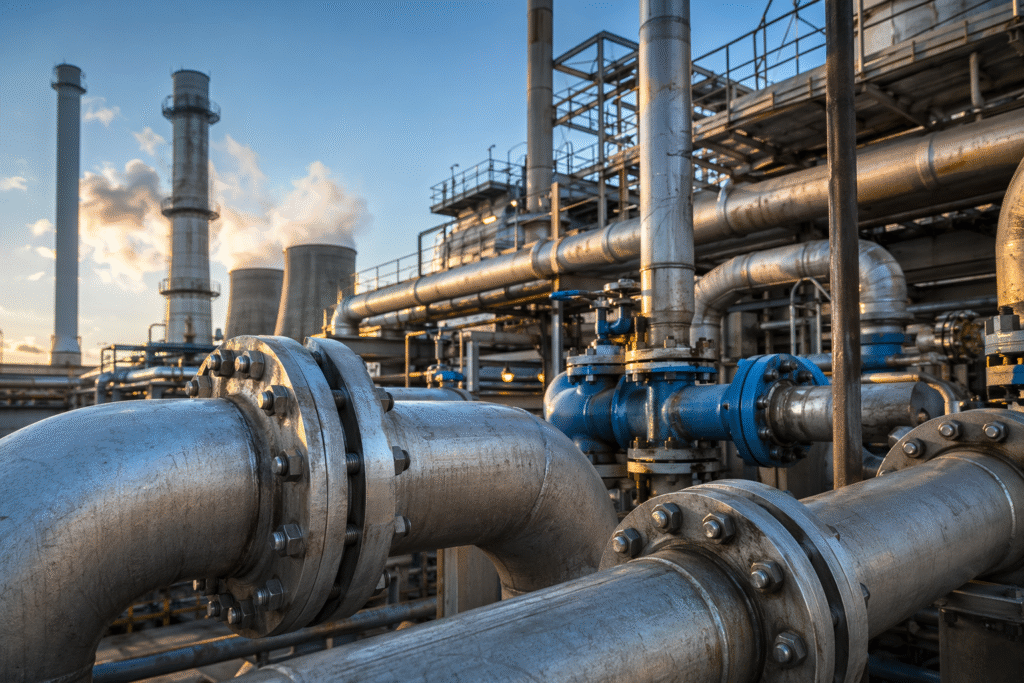
سوق شفة أنابيب الفولاذ المقاوم للصدأ: 7 المزايا الخفية, أنواع, الاستخدامات, وكيفية اختيار ASME B16.5 & الشفاه B16.47
وفقا لأبحاث جراند فيو (2024), تم تقييم سوق الفلنجات الصناعية العالمية بـ $5.8 مليار في 2023 ومن المتوقع أن يصل $7.2 مليار بواسطة 2030. That growth highlights why the شفة أنابيب الفولاذ المقاوم للصدأ remains a critical component for engineers, مقاولو EPC, and procurement teams seeking corrosion resistance, سلامة الضغط, وعمر الخدمة الطويل.
للمشترين الصناعيين, the most intriguing factor is not only price, but also the hidden advantages of selecting the right flange material, فئة الضغط, والمعيار. لذلك, this guide explains flange types, الاستخدامات, ASME requirements, and practical selection criteria for demanding pipe systems.
Industrial Demand for Stainless Steel Pipe Flange in Global Process Markets
بحسب موقع IBISWorld (2024), حسابات آسيا والمحيط الهادئ لأكثر من 45% من إنتاج شفة العالمية, مع كون الصين أكبر منتج. نتيجة ل, sourcing strategies increasingly focus on qualified Chinese exporters that can deliver ASME, DIN, JIS, غوست, and EN compliant products with full material traceability.
بحسب موقع ستاتيستا (2024), تمثل صناعة النفط والغاز ما يقرب من 35% من استهلاك شفة العالمية. علاوة على ذلك, معالجة البتروكيماويات, توليد الطاقة, بناء السفن, and water treatment continue to drive demand for stainless steel pipe flange products in 304, 316, دوبلكس, ودرجات سبائك النيكل.
These numbers matter because flange failure can shut down an entire line. في المقابل, a correctly specified flange improves joint integrity, reduces maintenance intervals, and supports safer operation under thermal cycling, اهتزاز, والوسائط المسببة للتآكل.
بحسب معلومات موردور (2024), industrial infrastructure investments in energy and water sectors continue to support steady growth in piping components across emerging markets. بالإضافة إلى, buyers now prioritize suppliers that can combine machining precision, EN 10204 3.1 الوثائق, ومهل زمنية قصيرة.
The hidden advantages of stainless steel are especially relevant in facilities handling chlorides, الأحماض, بخار, and high-purity fluids. على سبيل المثال, 316L stainless steel flange products usually outperform 304 in chloride exposure because molybdenum improves pitting resistance, while low carbon content helps reduce sensitization during welding.
As John Martinez, مهندس الأنابيب الأول, الدول: “A flange is a small component in cost share, but it is a major component in reliability strategy.” That insight reflects procurement reality, because flange quality often influences inspection frequency, leak risk, and lifecycle cost more than buyers expect.
SASA FLANGE تعمل في هذه البيئة مع ISO 9001:2015 وشهادات PED 2014/68/EU. بالإضافة إلى ذلك, تقوم الشركة بتوريد الفولاذ المقاوم للصدأ, الصلب الكربوني, سبيكة, دوبلكس, and special material flanges and fittings for clients across Oil & الغاز, البتروكيماويات, قوة, البحرية, وقطاعات معالجة المياه.
مدعومة بتصنيع CNC المتقدم واختبار الجودة الشامل, SASA FLANGE تصنع المنتجات في 304, 316, 316ل, 904ل, 2205, 2507, أ105, أ182, إنكونيل, مونيل, هاستيلوي, ودرجات التيتانيوم. لذلك, buyers can align corrosion performance, تصنيف الضغط, and budget with actual service conditions instead of relying on generic substitution.
وفقا لأبحاث السوق في المستقبل (2024), industrial stainless component demand is rising as operators seek longer asset life and lower maintenance costs. بالتالي, flange sourcing has become a technical purchasing decision rather than a simple commodity buy.
المزايا الخفية, Flanges Types, and Technical Factors Engineers Should Evaluate
The most intriguing aspect of a stainless steel pipe flange is its ability to combine strength, مقاومة التآكل, and maintainability in one connection point. لكن, those benefits only appear when engineers match flange type, تواجه, تصنيف, and metallurgy to the pipe system.
وفق ASME B16.5, أبعاد شفة, التسامح, تقييمات الضغط ودرجة الحرارة, وضع العلامات, and materials are standardized for NPS 1/2 خلال 24. بالتوازي, ASME B16.47 covers larger diameter flanges from NPS 26 خلال 60, والتي هي شائعة في الإرسال, البحرية, and large process pipelines (ASME, 2023).
كما د. Helen Zhou, عالم المواد, الدول: “The best flange selection is a corrosion and temperature decision first, and a price decision second.” لذلك, اختيار 304, 316ل, 904ل, 2205, أو 2507 should follow fluid chemistry, مستوى الكلوريد, نطاق درجة الحرارة, وطريقة التصنيع.
في الممارسة العملية, engineers often evaluate the following flange types for industrial pipe systems:
- شفة عنق اللحام للضغط العالي, ركوب الدراجات الحرارية, and critical services.
- Slip-on flange for moderate pressure applications with easier alignment and lower fabrication cost.
- شفة عمياء لعزل الخط, الاختبار المائي, ونقاط التوسع المستقبلية.
- شفة لحام المقبس للتجويف الصغير, أنابيب الضغط العالي.
- شفة ملولبة لأنظمة الضغط المنخفض حيث يكون اللحام غير مرغوب فيه.
- شفة مفصلية للأنظمة التي تتطلب تفكيكًا متكررًا.
Each flange type has hidden advantages. على سبيل المثال, weld neck designs distribute stress more evenly at the hub-to-pipe transition, while blind flanges provide strong end closure for pressure testing and maintenance isolation.
اختيار المواد لا يقل أهمية. ASTM A182 commonly governs forged stainless and alloy steel flanges, بينما ASTM A240 covers plate materials used in related components and fabrication (ASTM, 2024).
For most chemical and utility systems, common stainless choices include:
- 304/304L for general corrosion resistance and cost-effective performance.
- 316/316L for chloride-bearing media and better pitting resistance.
- 321 و 347 grades for elevated temperature stabilization.
- 904L for aggressive acidic environments.
- 2205 ثنائي و 2507 super duplex for high strength and chloride stress corrosion resistance.
According to NACE guidance used widely in sour service selection, chloride and H2S exposure can rapidly narrow acceptable alloy options (NACE, 2023). نتيجة ل, duplex and high-alloy stainless flange products are increasingly chosen for offshore, المياه المنتجة, and desalination lines.
Pressure class also changes the buying decision. ASME classes such as 150, 300, 600, 900, 1500, و 2500 define flange strength and sealing capability under temperature-related derating.
لمديري المشتريات, the practical comparison often includes these factors:
- Pressure-temperature rating by ASME class.
- تواجه نوع مثل الترددات اللاسلكية, آر تي جيه, أو ف.ف.
- معيار الأبعاد مثل ASME B16.5, ASME B16.47, DIN, أو إن 1092.
- معيار المواد مثل ASTM A182 F304, F316L, F51, أو F53.
- Inspection documents including EN 10204 3.1 إم تي سي.
- NDT requirements such as PMI, حزب العمال, يوتا, and hardness testing.
According to ISO requirements referenced by many EPC specifications, traceability and documented inspection are essential for pressure equipment quality systems (ISO, 2023). لذلك, a low initial unit price may become expensive if reinspection, rejection, or unplanned downtime occurs.
A well-chosen stainless steel pipe flange also simplifies maintenance planning. علاوة على ذلك, stainless flanges generally support repeated disassembly better than lower-grade alternatives in clean service, تجهيز الأغذية, وأنظمة معالجة المياه, where contamination control and surface condition matter.
SASA FLANGE يقدم أحجام مخصصة من 1/2" إلى 60" بأسعار تنافسية مباشرة من المصنع. بالإضافة إلى ذلك, الشركة تدعم الترددات اللاسلكية, FF, آر تي جيه, مترابطة, لحام المقبس, أعمى, and weld neck configurations manufactured to ANSI B16.5, أنسي B16.47, DIN, JIS, غوست, و إن 1092 متطلبات.
التقديم 50+ الدول عبر النفط & الغاز, البتروكيماويات, قوة, والصناعات البحرية, SASA FLANGE aligns supply with real project documentation needs. على سبيل المثال, buyers often request PMI, فحص الأبعاد, hydrostatic support data, والتعبئة مناسبة لوجستيات التصدير.
مثل مارك إليسون, محلل السوق الصناعي, الدول: “Procurement leaders now value certified documentation nearly as much as they value delivered price.” That trend is especially clear in PED projects, offshore packages, and owner-approved vendor lists.
وفقا لأبحاث جراند فيو (2024), capital investment in industrial processing equipment remains a major support factor for connection components and maintenance demand. بالتالي, stainless flange buyers should focus on specification accuracy, تكلفة دورة الحياة, and supplier consistency instead of comparing only quote totals.
ASME, ASTM, DIN, and EN Requirements for Stainless Steel Flanges Compliance
Standards compliance is where many flange projects succeed or fail. لذلك, engineers should distinguish clearly between dimensional standards, material standards, متطلبات التفتيش, and regional regulatory requirements.
ASME B16.5 يغطي حواف الأنابيب والتجهيزات ذات الحواف لـ NPS 1/2 خلال 24. في المقابل, ASME B16.47 applies to large diameter steel flanges from NPS 26 خلال 60, with Series A and Series B dimensional differences that affect bolt patterns and compatibility (ASME, 2023).
ASTM A182 specifies forged or rolled alloy and stainless steel flange materials for high-temperature service. بالإضافة إلى ذلك, ASTM material designations such as F304, F304L, F316, F316L, F51, and F53 help engineers define chemistry and mechanical properties more precisely.
غالبًا ما تتطلب المشاريع الأوروبية EN 1092 dimensional compliance and PED 2014/68/EU documentation. بصورة مماثلة, DIN legacy references remain common in maintenance and retrofit environments, especially where older installed systems must match existing components.
The following summary helps clarify the main standards landscape:
- ASME B16.5: أبعاد, التسامح, فئات الضغط, and marking for NPS 1/2 ل 24.
- ASME B16.47: أبعاد شفة ذات قطر كبير لـ NPS 26 ل 60.
- ASME B16.9: تجهيزات اللحام المطاوع المصنوعة في المصنع مثل المرفقين, المحملات, مخفضات, والقبعات.
- ASTM A182: Forged stainless and alloy steel materials for flanges and fittings.
- EN 1092: أبعاد الفلنجة الأوروبية وتسميات الضغط.
- NACE MR0175/ISO 15156: التوجيه المادي لبيئات الخدمة الحامضة.
وفقًا لإطار PED الخاص بالمفوضية الأوروبية, pressure equipment compliance requires technical documentation, تقييم المطابقة, and appropriate material traceability for applicable equipment categories (بيد, 2014). نتيجة ل, project buyers should verify not just the flange standard, but also the complete documentation package.
For corrosion-critical services, standards alone do not guarantee field performance. لكن, they create the baseline for interchangeability, qualification, and quality consistency across global supply chains.
من حيث المشتريات العملية, buyers should confirm these documentation points before purchase:
- شهادة اختبار المواد ل EN 10204 3.1.
- Heat number traceability on each flange.
- تقرير فحص الأبعاد.
- PMI report for stainless, دوبلكس, ودرجات سبائك النيكل.
- Surface finish and facing inspection.
- Packing and marking requirements by project specification.
According to DNV expectations in many marine and offshore supply chains, traceability and inspection records significantly reduce non-conformance risk during audits and installation reviews (دنف, 2023). لذلك, consistent QA systems matter as much as machining capacity.
SASA FLANGE يدعم هذه المتطلبات مع ISO 9001:2015, بيد 2014/68/الاتحاد الأوروبي, و م 2000 الشهادات. علاوة على ذلك, the company manufactures stainless steel flanges and pipe fittings under documented quality procedures suited to EPC, موزع, and end-user sourcing models.
للمشترين مقارنة البائعين, one useful hidden advantage is standard flexibility. A supplier capable of ASME, DIN, JIS, غوست, and EN execution can simplify global projects, spare parts planning, and mixed-site maintenance programs.
Engineers should also review sealing face compatibility. على سبيل المثال, RF flanges dominate general industrial service, while RTJ flanges are preferred in higher pressure and critical hydrocarbon duties because the metal ring gasket offers robust sealing under severe service conditions.
For official dimensional and code references, buyers can consult ASME. That step is valuable when project teams need to verify class ratings, أبعاد, or code cross-references during design review.
كيفية اختيار شفة الأنابيب الفولاذية المقاومة للصدأ للزيت, الغاز, كيميائي, قوة, والاستخدامات البحرية
Choosing the right stainless steel pipe flange begins with the service environment, وليس صفحة الكتالوج. لذلك, engineers should define media composition, ضغط التشغيل, درجة حرارة التصميم, بدل التآكل, and maintenance frequency before selecting a flange type or grade.
Oil and gas systems often require strong performance under pressure cycling, اهتزاز, and corrosive exposure. In these lines, weld neck and RTJ flange options are common, while duplex or super duplex materials may be preferred for seawater, injection, and offshore splash-zone duties.
بحسب موقع ستاتيستا (2024), يمثل النفط والغاز حوالي 35% من استهلاك شفة العالمية. بالتالي, project specifications in this sector tend to be highly detailed, often requiring NACE compliance, مؤشر مديري المشتريات, التحقق من صلابة, and strict MTC control.
Chemical processing lines usually demand corrosion resistance first. على سبيل المثال, 316ل, 904ل, هاستيلوي, or Monel flange products may be specified depending on chlorides, الأحماض, درجة حرارة, and concentration.
Power generation projects focus heavily on thermal cycles and pressure integrity. لذلك, engineers may select higher class flanges, stabilized stainless grades, or alloy materials for steam, المكثفات, and high-temperature auxiliary lines.
Marine and shipbuilding applications present a different challenge because saltwater exposure accelerates pitting and crevice corrosion. نتيجة ل, 316ل, 2205, و 2507 often become more attractive than 304 in deck piping, الصابورة, جهاز الغسيل, وأنظمة مياه البحر.
The following checklist helps procurement teams choose more effectively:
- Confirm pipe size, سمك الجدار, and matching schedule.
- Verify design pressure, درجة حرارة, and ASME class.
- Select flange type based on service criticality and maintenance needs.
- Match gasket and facing style to sealing requirements.
- Review corrosion data for chlorides, الأحماض, كبريتيد الهيدروجين, or seawater.
- Specify required test certificates and inspection scope.
- Check regional standards such as ASME, EN, DIN, أو جيس.
Another hidden advantage is total installed cost control. A slightly higher-grade flange can reduce replacement frequency, التعرض للاغلاق, and leak risk, which often delivers better economics across the asset lifecycle.
على سبيل المثال, أ 4 inch stainless steel pipe flange used in a water treatment skid may only need ASME Class 150 and 316L material. في المقابل, a similar nominal size in offshore injection service could require duplex material, RTJ facing, stricter NDT, and tighter traceability controls.
وفقا لأبحاث السوق في المستقبل (2024), water infrastructure upgrades continue to increase demand for corrosion-resistant piping components worldwide. لذلك, municipal and industrial water projects are becoming important growth segments for stainless and duplex flange procurement.
SASA FLANGE supports custom manufacturing for non-standard drilling, تواجه, and material combinations. بالإضافة إلى ذلك, the company can supply matching elbows, المحملات, مخفضات, and caps to simplify package procurement for complete piping systems.
For distributors and EPC contractors, consolidated sourcing can shorten project timelines. علاوة على ذلك, factory-direct coordination helps reduce dimensional mismatch risk between the flange, طوقا, البراغي, and mating pipe or fitting.
When buyers need guidance on flange types, مواد, or project documentation, early technical review is essential. للمشاريع التي تتطلب أحجام مخصصة, سبائك متميزة, or fast delivery, الاتصال SASA FLANGE early can improve specification accuracy and purchasing efficiency.
Future Outlook for Stainless Flange Procurement and Strategic Buying Recommendations
The outlook for stainless flange demand remains positive as energy, ماء, البحرية, and process industries continue upgrading aging infrastructure. وفقا لأبحاث جراند فيو (2024), ومن المتوقع أن يصل سوق الفلنجات الصناعية $7.2 مليار بواسطة 2030, which indicates stable long-term procurement activity.
في نفس الوقت, أصبح المشترون أكثر انتقائية. لذلك, supplier evaluation increasingly includes not only price, but also certification status, القدرة على التصنيع, تجربة التصدير, traceability systems, وسرعة الاستجابة.
One intriguing shift is the move toward lifecycle-based purchasing. Instead of choosing the lowest initial quote, procurement teams now compare maintenance cost, failure risk, and expected service life across 304, 316ل, دوبلكس, and high-alloy flange options.
Digital sourcing also changes buyer behavior. على سبيل المثال, engineers often search terms like stainless steel pipe flange sizes, stainless steel flange types, stainless steel threaded pipe flange, and stainless steel pipe flange price before issuing RFQs.
That search behavior means supplier content must answer technical and commercial questions clearly. علاوة على ذلك, pages that combine standards guidance, material comparisons, and application advice are more likely to support both SEO performance and conversion quality.
استراتيجيا, buyers should follow five practical recommendations:
- Standardize approved materials for recurring services.
- Prequalify suppliers with ISO 9001:2015 and PED capabilities.
- طلب EN 10204 3.1 certificates and PMI for critical grades.
- قارن قيمة دورة الحياة, ليس فقط سعر الوحدة.
- Use suppliers that can deliver both flanges and fittings for package consistency.
بحسب موقع IBISWorld (2024), China remains central to global flange manufacturing capacity. نتيجة ل, working with experienced exporters that understand international standards and documentation can create significant cost and schedule advantages.
For companies balancing quality, delivery, والامتثال العالمي, a data-driven sourcing approach is the safest path. When your next project requires ASME B16.5, ب16.47, DIN, or EN compliant stainless steel flange solutions, discussing specifications with SASA FLANGE can help align technical needs with reliable factory supply.
الأسئلة المتداولة
ما هي الأنواع المختلفة من الفلنجات المصنوعة من الفولاذ المقاوم للصدأ?
●أنواع شفة الفولاذ المقاوم للصدأ الرئيسية هي رقبة ملحومة, سهل الارتداء, أعمى, لحام المقبس, مترابطة, ومفاصل اللفة, و ASME B16.5 defines the dimensional framework for most standard sizes up to NPS 24.
●بحسب موقع ستاتيستا (2024), oil and gas consumes about 35% من الشفاه العالمية, so weld neck and blind designs are especially common in high-integrity process lines.
●For critical pipe systems, engineers should choose flange types based on pressure class, مواجهة الاسلوب, الوصول إلى الصيانة, وبيئة التآكل, and established manufacturers like SASA FLANGE can support matching material and standard selection.
أيهما أفضل 304 أو 420 الفولاذ المقاوم للصدأ?
●لمعظم تطبيقات شفة أنابيب الفولاذ المقاوم للصدأ, 304 عموما أفضل من 420 لأن 304 offers superior corrosion resistance, قابلية اللحام, and formability for industrial piping service.
●ASTM A182 flange grades such as F304 and F304L are widely used in pressure systems, بينما 420 is a martensitic stainless steel more often selected for hardness and wear resistance than for corrosive process piping.
●Buyers should usually select 304 for general flange service and move to 316L or duplex for harsher environments, while consulting experienced suppliers like SASA FLANGE when chloride exposure or elevated temperatures are involved.
ما هي الأنواع الثلاثة من الشفاه?
●The three most commonly referenced flange types in general industry are weld neck, سهل الارتداء, and blind flanges because they cover most pressure connection, تثبيت, واحتياجات العزلة.
●وفق ASME B16.5, these flange categories are standardized for dimensions, حفر, وتقييمات درجة حرارة الضغط, which helps ensure interchangeability across many pipe systems.
●For most projects, weld neck suits severe service, slip-on suits moderate duty, and blind suits end closure or hydrotesting, so buyers should match the type to service risk and maintenance plans.
ما هو رمز ASME للفلنجات المصنوعة من الفولاذ المقاوم للصدأ?
●معايير ASME الأساسية للفلنجات المصنوعة من الفولاذ المقاوم للصدأ هي ASME B16.5 لمصادر القدرة النووية 1/2 خلال 24 و ASME B16.47 لمصادر القدرة النووية 26 خلال 60, بينما ASTM A182 commonly defines the forged stainless material grade.
●These standards cover dimensions, فئات الضغط, التسامح, واجهات, ووضع العلامات, but project compliance may also require PED, EN 1092, أو NACE MR0175 اعتمادا على التطبيق.
●Procurement teams should specify both the ASME dimensional standard and the ASTM material grade in every RFQ to avoid mismatched flange supply and documentation issues.
كيف أختار حجم شفة أنابيب الفولاذ المقاوم للصدأ المناسب وفئة الضغط?
●يجب أن يتطابق حجم الحافة مع NPS للأنبوب والجدول الزمني, while pressure class such as 150, 300, أو 600 must reflect design pressure and temperature according to ASME rating tables.
●وفقا لأبحاث جراند فيو (2024), the flange market is growing with more complex industrial applications, which makes accurate class and material selection increasingly important for lifecycle cost control.
●Engineers should verify size, تواجه, حفر, الصف المادي, and gasket compatibility together before ordering, خاصة ل 2 بوصة و 4 inch stainless steel pipe flange requirements in mixed-standard systems.
Why are 316L and duplex stainless flanges often chosen over 304 in marine and chemical service?
●316L and duplex stainless flanges are often preferred because they provide better resistance to pitting, تآكل الشق, and chloride stress corrosion cracking than standard 304 في البيئات العدوانية.
●بحسب موقع IBISWorld (2024), Asia-Pacific leads global flange production, and marine and water infrastructure projects are increasing demand for higher-performance alloys such as 2205 و 2507.
●لمياه البحر, كلوريدات, or sour service, buyers should review full process chemistry and request PMI and EN 10204 3.1 certification before final material approval.
الوظائف ذات الصلة
شفة الوجه النهاية: شرح متحدة المركز مقابل التسنينات الحلزونية
تعتبر كل من المسننات المركزة واللولبية عبارة عن تشطيبات وجه شفة مُشكَّلة آليًا…
دوبلكس 2205 مقابل الشفاه 316L: ما هي المواد التي يجب عليك اختيارها؟?
إجابة سريعة: دوبلكس 2205 الشفاه عادة ما تكون المرشح الأقوى…

تعريف شفة الفوهة, التفاصيل ونظرة عامة على الشفاه ASME B16.36: بيانات السوق, دليل الاختيار ورؤى الامتثال
تم تقييم سوق الفلنجات الصناعية العالمية بـ $5.8 مليار…

دليل سوق شفة التخلص الأسود: مواد, 3.5″ التوافق, وبيانات مصادر B2B لحواف حوض المطبخ
يتزايد الطلب على شفة التخلص السوداء مع المشترين لتركيبات المطبخ…