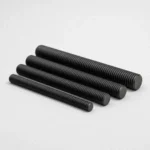
설명
Controlled-hardness, impact-tested alloy steel
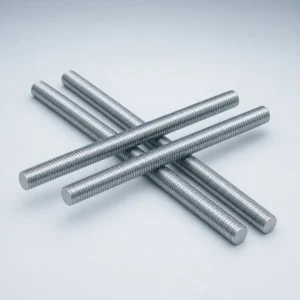
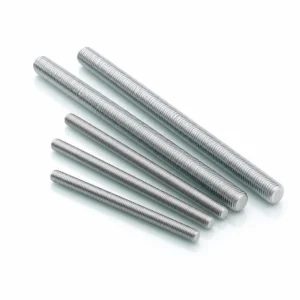
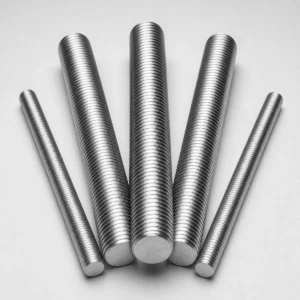
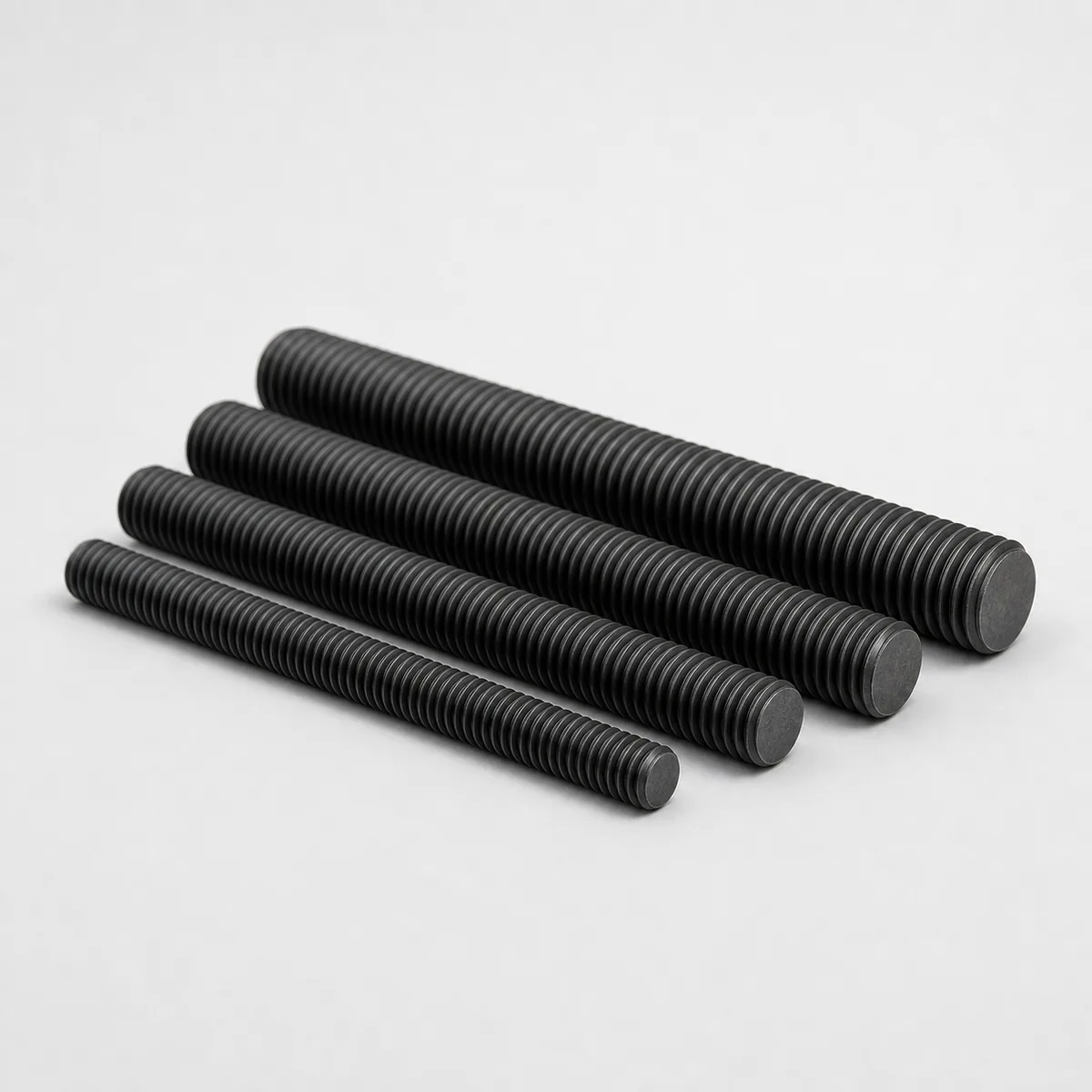
ASTM A320 L7M Threaded Rod
Low-temperature alloy steel all-thread combining Charpy impact requirements with L7M hardness controls for carefully specified industrial service.
제품개요
ASTM A320 Grade L7M threaded rod is designed for low-temperature bolting applications that also require the grade-specific mechanical-property and hardness limitations of L7M. It is commonly considered where sour-service materials controls and low-temperature toughness must be addressed together.
The project must define the impact test temperature, 경도 테스트, environmental qualification and any post-machining heat-treatment requirements. L7M should not be presented as universally NACE compliant without this service-specific procurement information.
ASTM A320 L7M threaded rod specifications
| Bolting standard | ASTM A320/A320M, ordered edition |
|---|---|
| 등급 / 재료 | Grade L7M low-temperature alloy steel |
| 상태 | Heat treated to L7M mechanical, hardness and impact requirements |
| 스레드 시스템 | ASME B1.1 유엔사, UNF 또는 8UN; metric threads when ordered |
| 크기 범위 | 1/4–4 in and M6–M100 typical; exact testing limits apply |
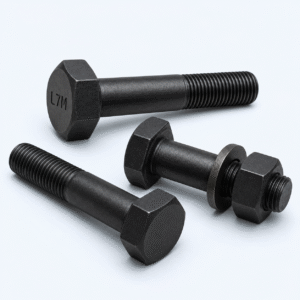
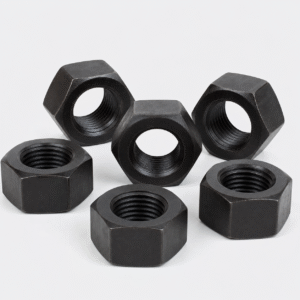
| Compatible nuts | Impact-tested controlled-hardness nut, commonly Grade 7M when specified |
| Sour-service option | Project-defined NACE MR0175 / ISO 15156 provisions when ordered |
| 선적 서류 비치 | EN 10204 3.1, 영향 결과, hardness map/frequency and dimensions |
최종 치수, 공차, 열처리, 코팅, 테스트 및 승인 기준은 확인된 구매 주문 및 해당 표준판을 따릅니다.. 가용성은 직경에 따라 다름, 길이, 실형태 및 생산량.
이 자료를 지정하는 이유?
L7M is chosen when both low-temperature impact behavior and controlled hardness are required. The grade is useful in certain oil-and-gas and gas-processing designs, but environmental limits must be evaluated by the materials engineer.
엔지니어링 노트
Confirm whether cutting and threading must precede final tempering or stress relief under the ordered edition and project supplement. Hardness frequency and location should be unambiguous before manufacture.
일반적인 애플리케이션
품질, 검사 및 문서화
L7M documentation should combine material traceability, final heat treatment, 충격 테스트, tensile properties and the purchaser-defined hardness inspection plan. Additional sour-service testing is supplied only when ordered.
- EN 10204 3.1 재료시험 성적서
- 히트 넘버 및 배치 추적성
- 화학 성분 및 기계적 성질
- 치수 검사 및 나사산 측정
- 주문 시 스테인리스 및 니켈 합금에 대한 PMI
- 적용 가능한 경우 코팅 두께 또는 표면 검사
- 제3자 검사 및 합의에 따른 추가 테스트
- 수출 표시 및 항해에 적합한 포장
견적에 필요한 정보
- 재료 등급, 재료/볼팅 표준 및 필수 버전 관리
- 지름, 스레드 시리즈, 피치 및 스레드 클래스 또는 공차
- 전체 길이, 최종 요구 사항 및 수량
- 열처리, 표면 마감 또는 코팅 시스템
- 너트와 와셔 일치, 골링 방지 요구 사항 포함
- 검사 계획, MTC, PMI, NDE 및 제3자 증인 요구 사항
- 배송지, 포장 및 소요 일정
자주 묻는 질문
What is the difference between L7 and L7M?
L7M has controlled hardness and different mechanical requirements in addition to the low-temperature impact basis. The grades are not interchangeable without design approval.
Is L7M automatically suitable for sour service?
아니요. Suitability depends on environment, 제품 상태, 경도, stress and the exact NACE MR0175 / ISO 15156 and project requirements.
Which nut is commonly paired with L7M?
An impact-tested controlled-hardness nut such as ASTM A194 Grade 7M may be specified. Confirm the governing standard, coating and thread fit.
Why is the manufacturing sequence important?
절단, threading and heat treatment can influence final hardness and residual stress. The sequence must follow the ordered standard edition and purchaser supplements.
관련 나사봉 제품
기술 견적 요청
자재 명세서 보내기, 도면 또는 프로젝트 사양. SASA FLANGE 성적을 검토할 것이다, 실, 치수, 견적 전 문서 및 배송 요구 사항.