
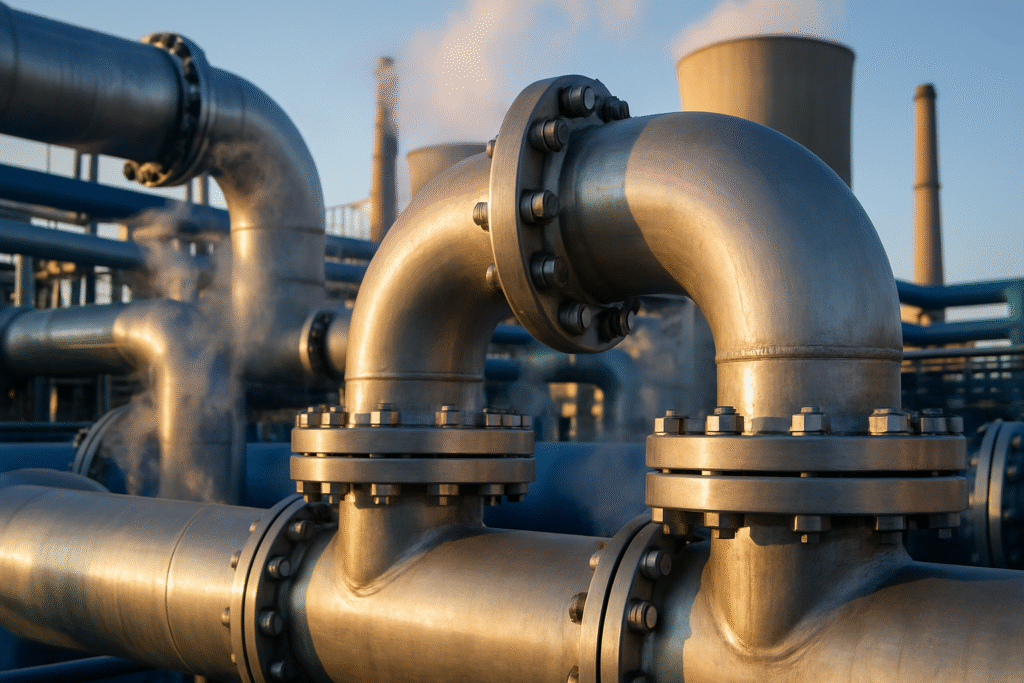
شفة أنابيب الفولاذ المقاوم للصدأ: 7 المزايا الخفية المدعومة بالبيانات, أنواع, الاستخدامات, وكيفية اختيار الفلنجة المناسبة
يتوسع سوق شفة أنابيب الفولاذ المقاوم للصدأ حيث تتطلب الصناعات التحويلية مقاومة أعلى للتآكل, رقابة أكثر صرامة على الجودة, وعمر خدمة أطول. وفقا لأبحاث جراند فيو (2024), تم تقييم سوق الفلنجات الصناعية العالمية بـ $5.8 مليار في 2023 ومن المتوقع أن يصل $7.2 مليار بواسطة 2030, which makes stainless steel pipe flange selection more strategic than ever.
للمهندسين والمشترين, the intriguing part is not only material cost. The hidden advantages of stainless steel pipe flange products include reduced maintenance, better cleanliness, stronger corrosion performance, and broader compatibility with critical pipe systems.
Market Demand for Stainless Steel Pipe Flange in Global Industrial Systems
Demand for stainless steel pipe flange products continues to rise across oil and gas, البتروكيماويات, البحرية, ومشاريع معالجة المياه. بحسب موقع IBISWorld (2024), حسابات آسيا والمحيط الهادئ لأكثر من 45% من إنتاج شفة العالمية, مع كون الصين أكبر منتج.
وهذا التركيز الإقليمي مهم لفرق المشتريات. أنه يؤثر على فترات زمنية, mill sourcing, قدرة التصنيع, and price stability for standard and custom flange orders.
علاوة على ذلك, stainless grades have become more important as operators push for longer design life in aggressive environments. بحسب موقع ستاتيستا (2024), تمثل صناعة النفط والغاز ما يقرب من 35% من استهلاك شفة العالمية, which explains why corrosion resistant flanges remain a high-priority category.
بالتوازي, ترقيات المصفاة, محطات الغاز الطبيعي المسال, and offshore projects are increasing demand for ASTM A182 F304, F316, F316L, دوبلكس, and super duplex flange solutions. لذلك, المشترين يقارنون ليس فقط السعر, ولكن أيضًا إمكانية التتبع, EN 10204 3.1 وثائق التفتيش, and compliance with ASME B16.5, ASME B16.47, DIN, و إن 1092 متطلبات.
بحسب معلومات موردور (2024), global water and wastewater infrastructure investment is rising steadily as utilities replace aging metallic systems. نتيجة ل, stainless steel flange and fittings are gaining share in desalination, municipal water, and industrial effluent treatment where chlorides and hygiene matter.
وفقا لأبحاث السوق في المستقبل (2024), specialty alloy demand in industrial piping is growing at more than 4% annually as operators upgrade systems for harsher temperature and corrosion conditions. That trend supports growth in 316L, 904ل, 2205, 2507, مونيل, هاستيلوي, and titanium flange applications.
Buyers also expect suppliers to provide more than a catalog item. They want machining accuracy, مؤشر مديري المشتريات, hydrostatic support documentation, التحقق من صلابة, and dimensional conformity to recognized standards.
That is where manufacturers with established export systems have an advantage. SASA FLANGE serves industrial customers with ISO 9001:2015 وشهادات PED 2014/68/EU, while supplying stainless steel flanges and fittings in 304, 316, 316ل, 904ل, 2205, 2507, وغيرها من الدرجات الممتازة.
بالإضافة إلى ذلك, factory-direct production can improve project economics when specifications are clear. تقديم أحجام مخصصة من 1/2 بوصة ل 60 inch with competitive pricing is especially relevant for EPC contractors handling mixed standard and non-standard flange packages.
The competitor landscape often focuses on material names alone. لكن, procurement teams usually need deeper guidance on flange types, فئات الضغط, مواجهة الخيارات, and how to choose a flange for a given pipe schedule and service condition.
That is why a stronger B2B article must go beyond generic descriptions. It should connect stainless, فُولاَذ, شفة, ماسورة, أنواع, الاستخدامات, and hidden advantages in a practical framework for design and sourcing decisions.
Hidden Advantages of Stainless Steel Pipe Flange Types and How Engineers Choose Them
The hidden advantages of a stainless steel pipe flange become clearer when lifecycle cost is evaluated instead of only unit price. According to NACE corrosion guidance and industry maintenance studies, corrosion-related damage can account for significant operating losses in process facilities, making material selection a primary reliability lever (NACE, 2023).
كما جون رينولدز, استشاري التآكل والمواد, الدول: “The cheapest flange at purchase is rarely the cheapest flange in service when corrosion, خطر التسرب, and replacement shutdowns are included.” That principle applies directly to pipe systems in chloride-bearing, حامِض, or high-purity environments.
Stainless steel flange types are selected by pressure, درجة حرارة, طريقة التجميع, وفلسفة الصيانة. لذلك, engineers must align the flange design with process loads, gasket requirements, وممارسة اللحام.
- شفة الرقبة الملحومة: يفضل لارتفاع الضغط, التحميل الدوري, وخطوط العملية الحرجة.
- الانزلاق على شفة: economical for lower pressure systems and easier alignment during fabrication.
- شفة عمياء: used to isolate, امتحان, or future-proof process ends.
- شفة لحام المقبس: suitable for small-bore, أنابيب الضغط العالي.
- شفة مترابطة: useful where welding is restricted or field assembly must be simplified.
- شفة اللفة المشتركة: chosen where frequent dismantling is required and stub ends are used.
Material choice is equally important. ASTM A182 governs forged or rolled alloy and stainless steel pipe flanges for pressure systems, while dimensions are commonly specified by ASME B16.5 و ASME B16.47 لأقطار أكبر (ASME, 2023).
للعديد من التطبيقات الصناعية العامة, 304 and 304L remain common because they balance corrosion resistance, التوفر, والتكلفة. لكن, 316 and 316L offer better pitting resistance in chloride service due to molybdenum addition, which often justifies the premium in marine or chemical environments.
وفقًا لتوجيهات المواد ASTM, low-carbon grades such as 304L and 316L reduce the risk of sensitization after welding, especially in heavy-section assemblies (ASTM, 2023). لذلك, they are frequently specified for welded pipe flange systems that require robust corrosion performance in the heat-affected zone.
For stronger chloride resistance, الدرجات المزدوجة مثل 2205 والسوبر دوبلكس 2507 provide higher strength and improved stress corrosion cracking resistance. According to industry alloy performance data, duplex materials can deliver nearly double the yield strength of standard austenitic stainless steels in many service conditions (استخبارات موردور, 2024).
كما د. Ravi Singh, مهندس مواد, الدول: “When pressure, كلوريدات, and weight reduction matter together, duplex flange selection can unlock both mechanical and corrosion advantages.” That insight is particularly useful for offshore skids, وحدات الجانب العلوي, and seawater lines.
Engineers also compare facing options because gasket seating affects long-term sealing reliability. Common choices include RF, FF, آر تي جيه, اللسان والأخدود, and male-female configurations depending on class rating and service criticality.
- وجه مرفوع (الترددات اللاسلكية): the most widely used facing for ASME B16.5 الشفاه.
- وجه مسطح (FF): common in low-pressure or cast equipment connections.
- نوع الحلقة المشتركة (آر تي جيه): preferred in high-pressure and high-temperature oil and gas service.
Another hidden advantage is cleanliness. Stainless steel pipe flange assemblies are often preferred in food, الصيدلانية, الماء عالى النقاء, and sanitary-adjacent systems because they support easier cleaning and lower contamination risk when properly finished.
According to ISO quality guidance, controlled manufacturing and inspection improve dimensional repeatability and traceability in pressure components (ISO, 2023). نتيجة ل, buyers increasingly request CNC-machined flange faces, مؤشر مديري المشتريات, ferrite checks when needed, and documented heat numbers.
SASA FLANGE supports these procurement expectations through advanced CNC machining and comprehensive quality testing. Backed by EN 10204 3.1 documentation capability and export experience, the company supplies forged stainless steel flange products for oil and gas, البتروكيماويات, قوة, البحرية, وقطاعات معالجة المياه.
من الناحية العملية, how do buyers choose a flange? They start with process data, applicable standards, فئة الخط, بدل التآكل, وطريقة التثبيت. After that, they compare stainless steel flange types against total ownership cost rather than only a short-term price target.
That is where a specification-driven sourcing approach creates value. It helps prevent under-grading, over-specifying, or purchasing a flange that fits the pipe dimension but not the service environment.
ASME, ASTM, DIN, and EN Standards That Govern Stainless Steel Pipe Flange Quality
Industrial buyers should treat standards compliance as a first-line qualification filter. A stainless steel pipe flange that looks correct dimensionally can still create risk if material chemistry, تصنيف الضغط, مواجهة التسامح, or testing documentation do not meet code requirements.
ASME B16.5 يغطي حواف الأنابيب والتجهيزات ذات الحواف من NPS 1/2 خلال 24. ASME B16.47 يمتد التغطية إلى الشفاه ذات القطر الأكبر, بينما ASME B16.9 applies to factory-made wrought buttwelding fittings used in related pipe systems (ASME, 2023).
ASTM A182 defines forged or rolled alloy and stainless steel pipe flange material requirements for pressure service. ASTM A240 is relevant for plate products, بينما ASTM A403 و ASTM A815 apply to stainless and duplex wrought fittings used alongside flange assemblies.
غالبًا ما تحدد المشاريع الأوروبية EN 1092 flange dimensions and PED 2014/68/EU compliance. لذلك, exporters serving global EPC packages must understand both ASME and EN systems rather than treating them as interchangeable.
- ASME B16.5: أبعاد, التسامح, تقييمات الضغط ودرجة الحرارة, علامات, and materials for common flange sizes.
- ASME B16.47: الشفاه ذات القطر الكبير, عادة NPS 26 ل 60.
- ASTM A182: forged stainless and alloy material specification for flanges and fittings.
- EN 1092-1: European flange standard used in many PED-regulated projects.
- معايير الدين: still referenced in legacy industrial and European installations.
- NACE MR0175 / ISO 15156: material guidance for H2S-containing oil and gas environments.
وفقًا لإطار PED الخاص بالمفوضية الأوروبية, pressure equipment suppliers must demonstrate conformity when products fall under the directive scope (بيد, 2014/68/الاتحاد الأوروبي). بالتالي, documentation quality becomes as important as machining quality for many export orders.
Procurement teams should also compare pressure class and temperature limitations carefully. فصل 150, 300, 600, 900, 1500, و 2500 flanges each have different pressure-temperature ratings that vary by material group under ASME rules.
على سبيل المثال, a 316L stainless steel flange in Class 300 may fit the size requirement, yet the design pressure at operating temperature must still be verified against the applicable rating table. علاوة على ذلك, اختيار طوقا, انشقاق, and flange facing condition affect the final joint reliability.
Critical compliance checkpoints usually include the following items.
- Correct ASTM grade and heat treatment status.
- Dimensional conformity to ASME, DIN, JIS, غوست, or EN standard.
- Pressure class and facing verification.
- Positive material identification for stainless and alloy grades.
- EN 10204 3.1 شهادة التفتيش.
- بيد, إعلان 2000, or client-specific documentation when required.
- NACE compliance review for sour service applications.
كما لورا تشين, مهندس أنابيب كبير, الدول: “Most flange failures start long before startup, usually with mismatched standards, weak traceability, or an incorrect assumption about service severity.” That is why experienced buyers audit both the drawing and the documentation package.
مع ISO 9001:2015, بيد 2014/68/الاتحاد الأوروبي, و م 2000 الشهادات, SASA FLANGE aligns well with projects that require controlled manufacturing records and export-ready compliance. تصنيع الشفاه في 304, 316, 904ل, 2205, 2507, أ105, أ182, إنكونيل, مونيل, هاستيلوي, and titanium also supports mixed-material procurement for complex plants.
فضلاً عن ذلك, buyers should ask whether the supplier can coordinate flange and fitting packages together. الجمع بين المرفقين, المحملات, مخفضات, قبعات, and flanges under one QA system can reduce interface risk during inspection and site installation.
How to Choose the Right Flange for Oil and Gas, كيميائي, قوة, and Marine Pipe Systems
Choosing the right flange starts with service conditions, لا تفضيل الكتالوج. The engineer must review fluid composition, مستوى الكلوريد, ضغط التصميم, نطاق درجة الحرارة, جدول الأنابيب, بدل التآكل, والوصول إلى الصيانة.
في النفط والغاز, pressure integrity and sour service compatibility often dominate. لذلك, weld neck flange and RTJ combinations are common for high-pressure hydrocarbon lines, بينما NACE MR0175 review may be necessary for H2S service.
بحسب موقع ستاتيستا (2024), استخدامات النفط والغاز حول 35% من الشفاه العالمية. That large share explains why API-related searches such as API flanges, API flange catalogue, API flanges Houston, and API weld neck flange remain important in procurement research.
في المعالجة الكيميائية, عادة ما تكون مقاومة التآكل هي الدافع وراء القرار. على سبيل المثال, 316قد يناسب L خدمة الكلوريد المعتدلة, but 904L, دوبلكس 2205, or nickel alloys may be better for stronger acids, كلوريدات مختلطة, or higher localized corrosion risk.
Power generation projects focus on temperature, فئة الضغط, and reliability under cycling loads. وفقاً لذلك, weld neck flange designs and upgraded material grades are often selected for steam, المكثفات, and boiler-adjacent applications.
Marine and shipbuilding projects face chloride exposure, مناطق الرش, and maintenance constraints. نتيجة ل, 316ل, دوبلكس 2205, والسوبر دوبلكس 2507 are frequently evaluated for ballast, مياه البحر, مياه النار, وأنظمة الأنابيب على سطح السفينة.
Buyers can streamline flange selection with a practical checklist.
- تأكيد المعيار الحاكم: ASME, EN, DIN, JIS, or project specification.
- Match flange size to pipe NPS, جدول, and end preparation.
- Verify pressure class against design temperature.
- Choose the correct material grade for corrosion and strength requirements.
- Select facing type based on gasket design and service severity.
- Review welding, تقتيش, and heat treatment requirements.
- طلب EN 10204 3.1, مؤشر مديري المشتريات, and additional test reports when needed.
Cost evaluation should include more than the stainless steel pipe flange price. It should also consider downtime risk, spare strategy, coating avoidance, expected maintenance, and replacement intervals.
على سبيل المثال, أ 4 inch stainless steel pipe flange may cost more than a carbon steel alternative at purchase. لكن, in corrosive wet service, the stainless option can reduce repainting, leakage intervention, and unplanned shutdown exposure.
Buyers also ask about stainless steel pipe flange sizes, threaded options, والتجهيزات المطابقة. A capable supplier should support standard sizes, بالقطع المخصصة, bore modifications, and complete packages of stainless steel flanges and fittings.
That flexibility is important for project schedules. SASA FLANGE offers custom manufacturing for flanges and pipe fittings, بما في ذلك المرفقين, المحملات, مخفضات, والقبعات, which helps EPC teams consolidate sourcing and simplify inspections.
When evaluating flange manufacturers, procurement managers should compare five factors. These include traceability, دقة الآلات, مراقبة المواد الخام, export documentation capability, and responsiveness during technical clarification.
Those factors matter because flange issues often emerge at handover, not at RFQ stage. لذلك, a supplier that can answer material substitution, التسامح الأبعاد, and certification questions quickly usually reduces total project friction.
التوقعات المستقبلية لشراء شفة أنابيب الفولاذ المقاوم للصدأ وتوصيات الشراء الإستراتيجية
The outlook for stainless steel pipe flange demand remains positive because infrastructure, energy transition, and process modernization continue to support industrial investment. وفقا لأبحاث جراند فيو (2024), the flange market will expand from $5.8 مليار في 2023 ل $7.2 مليار بواسطة 2030.
في نفس الوقت, procurement behavior is changing. Buyers want faster drawings, فترات زمنية أقصر, stronger documentation, and multi-standard supply from one manufacturing source.
بحسب موقع IBISWorld (2024), وتساهم منطقة آسيا والمحيط الهادئ بأكثر من 45% من إنتاج شفة العالمية. لذلك, supplier selection in China and broader Asia will remain central to cost competitiveness and capacity planning.
لكن, the lowest quote is not always the best result. في المقابل, strategic buyers increasingly favor manufacturers that combine premium grades, التصنيع باستخدام الحاسب الآلي, دعم التفتيش, and stable export experience.
Three recommendations stand out for industrial sourcing teams.
- Standardize preferred flange specifications by service category to reduce engineering variation.
- Pre-qualify suppliers on standards compliance, شهادات, and documentation speed.
- Evaluate total lifecycle value, especially for corrosive and critical pipe services.
علاوة على ذلك, buyers should build a material hierarchy before tendering. على سبيل المثال, they can define where 304L is acceptable, where 316L is mandatory, and where duplex or nickel alloys provide better lifecycle economics.
Digital procurement will also change how flange manufacturers compete. Catalog depth still matters, yet technical responsiveness, مراجعة الرسم, and traceable QA records increasingly influence shortlist decisions.
For projects requiring certified stainless steel pipe flange products in 304, 316, 316ل, 904ل, 2205, و 2507, working with an experienced source such as SASA FLANGE can simplify both engineering review and commercial execution. التقديم 50+ الدول عبر النفط والغاز, البتروكيماويات, قوة, والصناعات البحرية, the company is positioned to support buyers who need reliable flange types, أحجام مخصصة, and standards-based documentation.
الأسئلة المتداولة
أيهما أفضل 304 أو 420 الفولاذ المقاوم للصدأ?
●304 stainless steel is generally better for stainless steel pipe flange applications because it offers stronger corrosion resistance and broader weldability than 420.
●420 stainless is a martensitic grade with higher hardness, but it is less suitable for corrosive pipe service and is rarely the first choice for standard ASME B16.5 process flanges.
●According to ASTM stainless material classifications and common industry practice, 304 and 304L are among the most widely specified austenitic grades for industrial flanges because they balance formability, قابلية اللحام, والتكلفة.
●لفرق المشتريات, the choice depends on service conditions because 420 may suit wear-oriented components, بينما 304 is usually preferred for chemical, ماء, طعام, and general industrial pipe systems.
●For projects requiring reliable forged flange supply in ASTM A182 F304 or F304L, العمل مع الشركات المصنعة القائمة مثل SASA FLANGE helps ensure traceability, دقة الأبعاد, ووثائق التصدير.
ما هو رمز ASME للفلنجات المصنوعة من الفولاذ المقاوم للصدأ?
●The main ASME standard for stainless steel pipe flange dimensions and ratings is ASME B16.5 لمصادر القدرة النووية 1/2 خلال 24, بينما ASME B16.47 يغطي أقطار أكبر.
●The material itself is commonly specified under ASTM A182 for forged stainless steel flanges used in pressure service, so buyers should review both the dimensional standard and the material standard together.
●بحسب ASME (2023), B16.5 defines pressure-temperature ratings, التسامح, مواجهة الأبعاد, وضع العلامات, and testing references for common flange classes such as 150, 300, 600, 900, 1500, و 2500.
●في الممارسة العملية, engineers also verify related requirements such as gasket compatibility, انشقاق, and any project-specific PED or EN 1092 obligations before final approval.
●If your project needs ASME-compliant stainless flanges with EN 10204 3.1 الوثائق, SASA FLANGE can support technical review and quotation alignment.
ما هي 5 أنواع الفولاذ المقاوم للصدأ?
●The five main types of stainless steel are austenitic, الحديدي, مارتنسيتي, دوبلكس, والفولاذ المقاوم للصدأ المتصلب بالترسيب.
●في تصنيع شفة, austenitic grades such as 304, 304ل, 316, and 316L are the most common, بينما الدرجات المزدوجة مثل 2205 و 2507 are selected for higher strength and better chloride resistance.
●According to industry materials data cited by Mordor Intelligence (2024), duplex stainless steels can provide nearly twice the yield strength of common austenitic grades in many service conditions, which makes them valuable in offshore and chemical process systems.
●Martensitic grades like 420 are harder but less corrosion resistant, while ferritic and precipitation-hardening grades are used in more specialized roles depending on forming, قوة, and temperature needs.
●للمشترين شفة, the best recommendation is to choose the stainless family based on corrosion mechanism, welding demands, and code requirements rather than selecting by price alone.
ما هي الصناعة التي تستخدم معظم الفولاذ المقاوم للصدأ?
●Heavy process industries and construction consume major stainless steel volumes, but within flange demand the oil and gas sector is one of the largest end users.
●بحسب موقع ستاتيستا (2024), تمثل صناعة النفط والغاز ما يقرب من 35% من استهلاك شفة العالمية, which reflects the sector’s extensive use of pressure piping, الصمامات, فواصل, and rotating equipment connections.
●البتروكيماويات, توليد الطاقة, بناء السفن, معالجة المياه, and food processing also use large quantities of stainless steel flanges because corrosion resistance, صحة, and lifecycle reliability are critical in those environments.
●على سبيل المثال, marine systems often favor 316L or duplex materials, while chemical plants may upgrade to 904L or nickel alloys depending on acid concentration and chloride content.
●If you are sourcing for oil and gas, البحرية, or water treatment projects, الشركات المصنعة مثل SASA FLANGE can help match stainless grades and flange types to the actual service profile.
How do I choose the right stainless steel flange type for a pipe system?
●The correct stainless steel flange type depends on pressure class, درجة حرارة, حجم الأنبوب, طريقة التجميع, and the corrosiveness of the media.
●Weld neck flanges are commonly chosen for high-pressure or cyclic service, slip on flanges suit lower-pressure fabrication needs, تساعد الشفاه الملولبة حيث يكون اللحام محدودًا, and blind flanges isolate line ends for inspection or future expansion.
●وفق ASME B16.5 and standard piping practice, facing style and pressure class must be verified together because an RF Class 300 flange is not interchangeable with an RTJ Class 600 flange even if the nominal pipe size is the same.
●Engineers should also review ASTM material grade, إجراء اللحام, NACE requirements for sour service, and whether EN 10204 3.1 or PMI reports are required by the client specification.
●The best recommendation is to submit service conditions and line data to a qualified manufacturer before purchasing, especially for custom bores, بأقطار أكبر, or mixed-standard projects.
ما يؤثر على سعر شفة أنابيب الفولاذ المقاوم للصدأ والمدة الزمنية?
●يتأثر سعر شفة أنابيب الفولاذ المقاوم للصدأ بشكل أساسي بدرجة المواد, نوع شفة, مقاس, فئة الضغط, تقلبات المواد الخام, تعقيد الآلات, ومتطلبات التفتيش.
●درجات مثل 316L, 904ل, 2205, و 2507 usually cost more than 304 because alloy content and processing requirements are higher, while RTJ or large-diameter weld neck flanges often carry longer machining time than simple slip on designs.
●وفقا لأبحاث جراند فيو (2024), تم الوصول إلى سوق الفلنجات الصناعية $5.8 مليار في 2023, and that scale means pricing is influenced by both global demand and regional production dynamics, especially across Asia-Pacific manufacturing hubs.
●Lead time also depends on whether the order is standard stock, made-to-order, or fully custom with extra tests such as PMI, صلابة, الفريت, or third-party inspection.
●To control cost and delivery risk, buyers should issue complete specifications early and confirm documentation needs before production starts with the selected supplier.
الوظائف ذات الصلة
شفة الوجه النهاية: شرح متحدة المركز مقابل التسنينات الحلزونية
تعتبر كل من المسننات المركزة واللولبية عبارة عن تشطيبات وجه شفة مُشكَّلة آليًا…
دوبلكس 2205 مقابل الشفاه 316L: ما هي المواد التي يجب عليك اختيارها؟?
إجابة سريعة: دوبلكس 2205 الشفاه عادة ما تكون المرشح الأقوى…

تعريف شفة الفوهة, التفاصيل ونظرة عامة على الشفاه ASME B16.36: بيانات السوق, دليل الاختيار ورؤى الامتثال
تم تقييم سوق الفلنجات الصناعية العالمية بـ $5.8 مليار…

دليل سوق شفة التخلص الأسود: مواد, 3.5″ التوافق, وبيانات مصادر B2B لحواف حوض المطبخ
يتزايد الطلب على شفة التخلص السوداء مع المشترين لتركيبات المطبخ…