
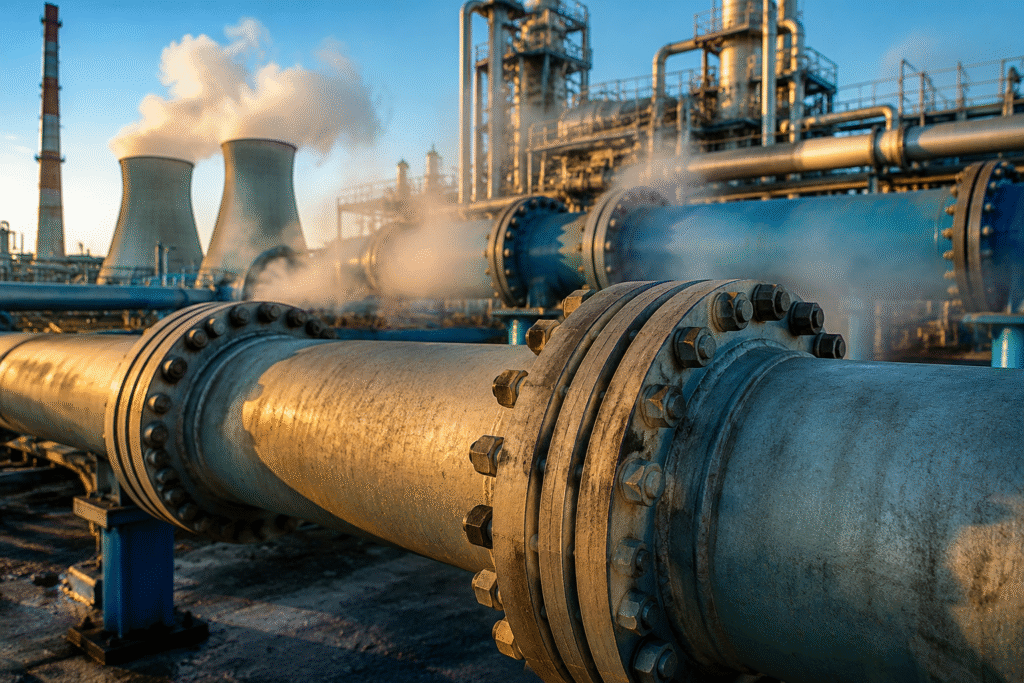
سوق شفة أنابيب الفولاذ المقاوم للصدأ يصل إلى 7.2 مليار دولار بحلول 2030: المزايا الخفية, أنواع, الاستخدامات, وكيفية اختيار الشفاه الصناعية
وفقا لأبحاث جراند فيو (2024), تم تقييم سوق الفلنجات الصناعية العالمية بـ $5.8 مليار في 2023 ومن المتوقع أن يصل $7.2 مليار بواسطة 2030. That growth explains why the stainless steel pipe flange remains a critical component in the industrial pipe world, where buyers must balance corrosion resistance, فئة الضغط, تكلفة دورة الحياة, والامتثال القياسي.
للمهندسين وفرق المشتريات, understanding the hidden advantages, أنواع, الاستخدامات, and how to choose flanges is now a strategic purchasing task. علاوة على ذلك, buyers want suppliers that combine technical depth with certified manufacturing, fast documentation, and stable quality across global projects.
Market Drivers Shaping the Stainless Steel Pipe Flange World
يتوسع سوق الفلنجات الصناعية بسبب الطاقة, ماء, and process industries continue to invest in resilient piping infrastructure. بحسب موقع ستاتيستا (2024), تمثل صناعة النفط والغاز ما يقرب من 35% من استهلاك شفة العالمية, which makes upstream, منتصف الطريق, and refining projects major demand centers.
Regional manufacturing concentration also matters for global sourcing decisions. بحسب موقع IBISWorld (2024), حسابات آسيا والمحيط الهادئ لأكثر من 45% من إنتاج شفة العالمية, مع كون الصين أكبر منتج, therefore buyers increasingly evaluate factory capability, إمكانية التتبع, and export experience before placing orders.
This demand trend favors manufacturers with broad material coverage and international certifications. SASA FLANGE, مدعومة ISO 9001:2015 وشهادات PED 2014/68/EU, لوازم الشفاه الفولاذ المقاوم للصدأ, الشفاه من الصلب الكربوني, الشفاه سبيكة, وتجهيزات الأنابيب للنفط & الغاز, البتروكيماويات, قوة, البحرية, معالجة المياه, وقطاعات البناء.
In today’s procurement environment, cost alone is not enough. Buyers also compare EN 10204 3.1 الوثائق, توافر مؤشر مديري المشتريات (PMI)., التحكم في المعالجة الحرارية, التسامح الأبعاد, and machining consistency across slip on, لحام الرقبة, أعمى, لحام المقبس, مفصل اللفة, والشفاه الخيوط.
بحسب معلومات موردور (2024), industrial process upgrades and maintenance demand are increasing aftermarket purchases across refining and power sectors. نتيجة ل, replacement flanges, الحفر المخصص, and mixed-grade project packages are becoming more common than single-SKU orders.
That shift rewards suppliers that offer flexibility rather than commodity-only supply. خلال https://sasaflange.com/about-us/, يمكن للمشترين مراجعة SASA FLANGE’s manufacturing background and export orientation, which are especially relevant for EPC contractors and OEMs managing multi-standard projects.
Another important trend is material upgrading in corrosive service. وفقا لأبحاث السوق في المستقبل (2024), corrosion-resistant alloy demand in process industries is rising as operators target longer maintenance intervals and lower total installed cost.
لذلك, درجات غير القابل للصدأ مثل 304, 316, 316ل, 904ل, دوبلكس 2205, والسوبر دوبلكس 2507 are no longer niche choices in many applications. They are increasingly selected where chloride exposure, aggressive media, or temperature cycling would shorten the service life of lower-grade materials.
As Mark Reynolds, مهندس الأنابيب الأول, الدول: “A flange selection error often appears inexpensive at purchase, but it becomes expensive during shutdown, leakage investigation, and replacement.” That perspective reflects a core industrial reality: lifecycle performance usually outweighs the unit price difference between standard and upgraded stainless grades.
لهذا السبب, a qualified stainless steel pipe flange supplier must deliver more than products. It must deliver standards compliance, dimensional reliability, metallurgical consistency, and practical application guidance across the full industrial pipe world.
Understanding Stainless Steel Pipe Flange Types, التقييمات, والمزايا الخفية
When buyers search for intriguing stainless steel flange types, they usually want straightforward selection logic. في الممارسة العملية, the best approach is to match flange design, الصف المادي, تصنيف الضغط, نوع المواجهة, and operating environment to the actual service conditions.
The most common stainless steel pipe flange types include weld neck, الانزلاق على, أعمى, مترابطة, لحام المقبس, وتصاميم اللفة المشتركة. Each type solves a different mechanical or maintenance problem, therefore understanding geometry is just as important as understanding chemistry.
وفق ASME B16.5, standard flange dimensions and pressure-temperature ratings are defined for NPS 1/2 خلال 24. لأقطار أكبر, ASME B16.47 ينطبق, which is especially relevant for transmission pipelines, storage terminals, and large-bore process systems (ASME, 2023).
Slip on flanges remain popular because they are economical and easier to align during fabrication. لكن, weld neck flanges are generally preferred for high-pressure, ارتفاع درجة الحرارة, cyclic, or critical service because the tapered hub reduces stress concentration at the weld transition.
Blind flanges are used to isolate, فحص, or future-expand a piping system. Threaded flanges can be useful in lower-pressure service where welding is impractical, while socket weld flanges are often used on smaller bore, خطوط الضغط العالي.
كما د. إيلين بورتر, عالم المواد, الدول: “The hidden advantages of stainless steel flanges are not only corrosion resistance but also predictable fabrication behavior and strong performance in hygienic or cyclic environments.” That is especially true for 304/304L and 316/316L, which remain the most widely specified grades for general industrial service.
From a material standpoint, 304 and 304L offer good corrosion resistance and weldability for many water, طعام, التدفئة والتهوية وتكييف الهواء, and general industrial systems. في المقابل, 316 and 316L include molybdenum, which improves resistance in chloride-containing and more aggressive chemical environments.
Higher alloy choices support more demanding applications. على سبيل المثال, 904L improves resistance in sulfuric and reducing media, بينما دوبلكس 2205 delivers stronger mechanical properties and better chloride stress corrosion cracking resistance than austenitic 304 in many services.
- 304/304ل: مقاومة التآكل العامة, good formability, common for water, طعام, والخدمة الكيميائية الخفيفة.
- 316/316ل: Better pitting resistance in chlorides, suitable for marine, في الخارج, and chemical applications.
- 904ل: Enhanced resistance to strong corrosives, often selected for severe chemical duty.
- 2205 دوبلكس: قوة أعلى, strong chloride resistance, often chosen for offshore and process systems.
- 2507 سوبر دوبلكس: Very high pitting and crevice corrosion resistance for aggressive chloride service.
قوة, لكن, is not the only variable. Pressure class selection must align with actual design conditions, مثل الدرجة 150, 300, 600, 900, 1500, أو 2500 under ASME systems.
Facing type also matters because sealing integrity depends on gasket compatibility and assembly practice. وجه مرفوع, وجه مسطح, and ring type joint configurations each serve different operating and maintenance requirements.
- وجه مرفوع: The most common industrial configuration for standard process piping.
- وجه مسطح: Often used with cast iron equipment or where low bolt stress is required.
- آر تي جيه: Preferred for high-pressure and critical sealing duty, especially in oil and gas systems.
وفقا لتوجيهات NACE, material performance in sour or chloride-rich service must be evaluated against cracking and corrosion risks rather than nominal strength alone (NACE, 2023). لذلك, the strongest type of piping flange in practice depends on both design form and alloy suitability.
Manufacturing quality remains equally important. مدعومة بتصنيع CNC المتقدم واختبار الجودة الشامل, SASA FLANGE يقدم أحجام مخصصة من 1/2" إلى 60" across stainless, دوبلكس, سبائك النيكل, التيتانيوم, and forged carbon steel grades.
For buyers comparing stainless steel flange 2 inch items, 4 منتجات شفة أنابيب الفولاذ المقاوم للصدأ بوصة, or large-diameter project packages, dimensional repeatability reduces installation delays. علاوة على ذلك, consistent drilling, تواجه النهاية, and bevel preparation improve field fit-up and welding productivity.
وفق ASTM A182, forged stainless and alloy flanges must meet defined chemical and mechanical requirements for pressure service (ASTM, 2023). That is why professional buyers routinely request MTCs, مؤشر مديري المشتريات, hardness data, hydrotest records when applicable, and full traceability from heat number to finished flange.
ASME, ASTM, DIN, ومعايير EN التي تحكم الامتثال لشفة أنابيب الفولاذ المقاوم للصدأ
Compliance is central to industrial procurement because a stainless steel pipe flange is only as reliable as its standard conformity. In global projects, buyers often need ASME dimensional compliance, ASTM material compliance, and EN or DIN alternatives for European or mixed-standard installations.
The most common standards framework includes ASME B16.5 و ASME B16.47 for dimensions and ratings, ASME B16.9 لتركيبات اللحام بعقب, ASTM A182 للشفاه مزورة, و ASTM A240 for plate products used in some flange-related components. فضلاً عن ذلك, EN 1092 and DIN flange systems remain common in Europe, معالجة المياه, البحرية, and equipment export projects.
وفقًا لتوجيهات معدات الضغط, pressure-retaining components entering many EU-regulated applications must satisfy documented conformity procedures (بيد 2014/68/الاتحاد الأوروبي). لذلك, certificate package quality can be as important as machining quality for cross-border procurement.
The following comparison helps engineers and buyers map common standards:
- ASME B16.5: الشفاه الأنابيب والتجهيزات ذات الحواف, مصادر القدرة النووية 1/2 ل 24, pressure classes and dimensions.
- ASME B16.47: الشفاه الفولاذية ذات القطر الكبير, مصادر القدرة النووية 26 ل 60.
- ASTM A182: Forged or rolled alloy and stainless steel flange material specification.
- ASME B16.9: تجهيزات اللحام المطاوع المصنوعة في المصنع, relevant when flanges and fittings are sourced together.
- EN 1092-1: European flange specification widely used in industrial and utility systems.
- DIN / JIS / غوست: Regional dimensional systems required in specific legacy or export markets.
Material certification should also reflect the intended service. For corrosive oil and gas conditions, buyers may request NACE MR0175 تنسيق, while offshore projects can add DNV or NORSOK expectations depending on end use.
As Peter Holm, Global Piping Market Analyst, الدول: “The difference between approved and rejected flanges is often documentation discipline, not machining capability.” That is a useful reminder for EPC and procurement teams managing multi-country compliance requirements.
Reputable manufacturers support this process with EN 10204 3.1 شهادات التفتيش, إمكانية تتبع رقم الحرارة, التفتيش البصري, فحص الأبعاد, and optional PMI or third-party witness testing. مع ISO 9001:2015, بيد 2014/68/الاتحاد الأوروبي, و م 2000 أوراق اعتماد, SASA FLANGE supports buyers who need documented quality assurance rather than generic supply.
For technical review, buyers can also cross-check requirements directly with the official ASME resource. That extra step is useful when projects involve mixed ratings, unusual facing combinations, or client-specific purchase specifications.
بالإضافة إلى ذلك, integrated sourcing can reduce procurement complexity. خلال https://sasaflange.com/products/, buyers can source stainless steel flanges and fittings together, which helps maintain material consistency across elbows, المحملات, مخفضات, قبعات, والجمعيات شفة.
من الناحية العملية, compliance protects installation schedules. If bolt holes, سمك شفة, تواجه النهاية, or bevel geometry deviate from standard tolerances, field correction becomes expensive and may delay hydrotesting or commissioning.
That is why experienced buyers do not treat standards as paperwork only. They treat ASME, ASTM, DIN, and EN alignment as a direct control on leakage risk, rework cost, and project approval timelines.
كيفية اختيار الشفاه للنفط, الغاز, كيميائي, قوة, والاستخدامات البحرية
Choosing the correct stainless steel pipe flange starts with service data rather than catalog convenience. Engineers should first define fluid chemistry, ضغط التصميم, درجة حرارة التشغيل, الحمل الدوري, insulation conditions, and required maintenance access.
For oil and gas uses, weld neck and RTJ flanges are commonly preferred in higher pressure service. بحسب موقع ستاتيستا (2024), حسابات النفط والغاز حوالي 35% من استهلاك شفة العالمية, therefore this sector strongly influences preferred designs, documentation practices, and material upgrades.
لمصانع البتروكيماويات والكيماويات, 316ل, 904ل, دوبلكس 2205, or nickel alloys may be necessary depending on chlorides, الأحماض, ودورات التنظيف. In these services, corrosion allowance alone is not enough; alloy selection and gasket compatibility must work together.
لتوليد الطاقة, thermal cycling and pressure fluctuation often favor forged flanges with strong dimensional control and consistent metallurgy. Engineers also pay close attention to high-temperature grade selection, الاحتفاظ بحمل الترباس, and shutdown maintenance intervals.
For shipbuilding and marine projects, chloride exposure makes alloy selection especially important. لذلك, 316/316L and duplex grades are often chosen where atmospheric salt, دفقة مياه البحر, or deck process exposure can accelerate corrosion.
- زيت & الغاز: Favor weld neck or RTJ flanges for pressure integrity and cyclic service.
- المعالجة الكيميائية: Prioritize corrosion resistance, مؤشر مديري المشتريات, وتوافق الحشية.
- محطات توليد الطاقة: Evaluate temperature cycles, فئة الضغط, and forged quality consistency.
- البحرية: Select chloride-resistant grades such as 316L or duplex materials.
- معالجة المياه: Balance corrosion resistance, ميزانية, وفترات الخدمة الطويلة.
Procurement teams should also evaluate these selection criteria before issuing a PO:
- المعيار المطبق: ASME B16.5, ب16.47, EN 1092, DIN, JIS, أو غوست.
- درجة المادة: 304, 304ل, 316, 316ل, 904ل, 2205, 2507, أ105, أ182, or CRA alloys.
- Pressure class and schedule compatibility with mating pipe.
- تواجه النوع: الترددات اللاسلكية, FF, أو آر تي جيه.
- نطاق التفتيش: EN 10204 3.1, مؤشر مديري المشتريات, صلابة, تجربة الاقتراب من الموت, third-party witness.
- طلاء, وضع العلامات, and export packing requirements.
- مهلة, batch consistency, and partial shipment planning.
Price evaluation should be equally practical. Stainless steel pipe flange price depends on alloy cost, طريق تزوير, تعقيد الآلات, فئة الضغط, كمية, نطاق الاختبار, and current nickel or molybdenum market conditions.
According to World Bank metals trend reporting summarized by industry analysts in 2024, alloy surcharges can shift stainless component pricing materially over short periods. نتيجة ل, project buyers often request validity windows on quotations and separate line items for testing or special documentation.
SASA FLANGE supports this procurement model with custom manufacturing capability, تغطية مادية واسعة, and factory-direct supply. التقديم 50+ الدول عبر النفط & الغاز, البتروكيماويات, قوة, والصناعات البحرية, the company can support standard and non-standard drilling, تواجه, and material combinations through https://sasaflange.com/contact-us/.
على سبيل المثال, a buyer sourcing stainless steel flanges and fittings for a desalination skid may specify 316L or duplex 2205 الشفاه, ASME B16.5 أبعاد, ASME B16.9 التجهيزات, EN 10204 3.1 شهادات, ومؤشر مديري المشتريات. في المقابل, a utility water package may prioritize 304L slip on flanges with moderate pressure class and shorter lead time.
These distinctions show why choosing flanges is not just a catalog exercise. It is an engineering and commercial decision that directly affects installability, مصداقية, and total ownership cost.
التوقعات المستقبلية لشراء شفة أنابيب الفولاذ المقاوم للصدأ وتوصيات الشراء الإستراتيجية
The future of the stainless steel pipe flange market looks favorable because infrastructure replacement, مشاريع التحول في مجال الطاقة, الترقيات البحرية, and water treatment expansion all support demand. وفقا لأبحاث جراند فيو (2024), ومن المتوقع أن يرتفع السوق من $5.8 مليار في 2023 ل $7.2 مليار بواسطة 2030, indicating a sustained procurement pipeline.
في نفس الوقت, buyers will face tighter technical and commercial expectations. Documentation quality, corrosion-resistant alloy sourcing, and supplier responsiveness are becoming more important as projects globalize and quality audits become stricter.
بحسب موقع IBISWorld (2024), وتساهم منطقة آسيا والمحيط الهادئ بالفعل بأكثر من 45% من إنتاج شفة العالمية, so supplier qualification in the region will remain a strategic purchasing priority. لكن, the best sourcing outcomes will come from manufacturers that combine price competitiveness with real engineering support and export documentation discipline.
للمشترين B2B, several actions are recommended. أولاً, standardize your approved flange specifications by service category, because that reduces engineering ambiguity and speeds RFQ comparison.
ثانية, request full traceability and certificate requirements early in the RFQ process. ثالث, compare suppliers not only on price but also on CNC capability, توافر المواد, السيطرة على التسامح, and response time for custom items.
الرابع, align flanges and fittings procurement where possible. That approach improves consistency across the industrial pipe package and can reduce inspection complexity, logistics fragmentation, and project risk.
أخيراً, work with manufacturers that can support both standard and custom production in stainless, دوبلكس, ودرجات سبائك. للمشاريع التي تتطلب إمدادات معتمدة, مواد متميزة, والاتصالات الهندسية سريعة الاستجابة, يمكن للمشترين التواصل مع SASA FLANGE to discuss specifications, الفترات الزمنية, and documentation needs in a more targeted way.
الأسئلة المتداولة
ما هي الشفاه الفولاذ المقاوم للصدأ المستخدمة ل?
●تستخدم الشفاه المصنوعة من الفولاذ المقاوم للصدأ لتوصيل الأنابيب, الصمامات, مضخات, ومعدات الضغط في الأنظمة التي تتطلب القوة, مقاومة التآكل, and leak-controlled assembly.
●بحسب موقع ستاتيستا (2024), يمثل النفط والغاز حوالي 35% من استهلاك شفة العالمية, which shows how critical flanges are in high-demand industrial service.
●وتستخدم على نطاق واسع في مصانع البتروكيماويات, الأنظمة البحرية, water treatment lines, مرافق تجهيز الأغذية, and power stations because stainless grades such as 304L and 316L offer strong durability and good fabrication performance.
●Engineers select them to simplify maintenance, allow disassembly, and match standardized pressure classes under ASME B16.5 أو إن 1092-1 متطلبات.
●For projects requiring corrosion-resistant materials and documented quality, العمل مع الشركات المصنعة القائمة مثل SASA FLANGE helps ensure traceability, proper standards compliance, and suitable grade selection.
ما هي الشفاه المصنوعة من الفولاذ المقاوم للصدأ?
●تشمل أنواع شفة الفولاذ المقاوم للصدأ الشائعة رقبة اللحام, الانزلاق على, أعمى, مترابطة, لحام المقبس, and lap joint flanges in grades such as 304, 304ل, 316, 316ل, 904ل, 2205, و 2507.
●وفق ASME B16.5 (2023), these flange forms are standardized by size, تواجه, and pressure-temperature rating for a wide range of industrial applications.
●Slip on flanges are often chosen for easier alignment and lower cost, while weld neck flanges are preferred for higher stress, درجة حرارة, and pressure service.
●Blind flanges isolate sections for testing or maintenance, and threaded flanges support specific non-welded service conditions in smaller or lower-pressure lines.
●For industrial buyers sourcing stainless steel flanges and fittings together, selecting a supplier with broad product coverage improves consistency across the complete piping package.
هل يصنعون تجهيزات أنابيب الفولاذ المقاوم للصدأ?
●نعم, يقوم المصنعون بإنتاج تجهيزات أنابيب الفولاذ المقاوم للصدأ مثل الأكواع, المحملات, مخفضات, وأغطية لتتناسب مع أنظمة الأنابيب والشفة المصنوعة من الفولاذ المقاوم للصدأ.
●ASME B16.9 defines dimensional requirements for factory-made buttwelding fittings, which is why engineers often source fittings and flanges under a coordinated specification set (ASME, 2023).
●Typical materials include 304, 304ل, 316, 316ل, 904ل, دوبلكس 2205, والسوبر دوبلكس 2507 depending on corrosion risk, strength needs, ودرجة حرارة التشغيل.
●Using matching metallurgy across flanges and fittings reduces galvanic mismatch concerns and simplifies welding procedures, تقتيش, وتتبع المواد.
●For projects with custom wall thickness, معايير مختلطة, أو EN 10204 3.1 متطلبات الشهادة, الشركات المصنعة ذات الخبرة مثل SASA FLANGE can provide more reliable package support.
ما هو أقوى نوع من شفة الأنابيب?
●In many pressure applications, the weld neck flange is considered the strongest standard piping flange because its tapered hub distributes stress more effectively than flat-hub designs.
●According to ASME design practice and ASTM A182 مواصفات المواد, strength depends not only on flange type but also on alloy grade, فئة الضغط, وحالة الخدمة.
●على سبيل المثال, a weld neck flange in duplex 2205 أو سوبر دوبلكس 2507 can outperform a lower-grade flange in chloride-rich service where corrosion affects long-term reliability.
●لكن, the strongest practical choice is the flange that matches the full service envelope, including pressure, درجة حرارة, التعرض للتآكل, fatigue loading, ونظام طوقا.
●Engineers should evaluate flange geometry and material together rather than assuming the highest nominal alloy or pressure class always provides the best field performance.
ما هو رمز ASME للفلنجات المصنوعة من الفولاذ المقاوم للصدأ?
●The main ASME standards for stainless steel flanges are ASME B16.5 لمصادر القدرة النووية 1/2 ل 24 و ASME B16.47 for larger diameters from NPS 26 ل 60.
●Material requirements are commonly specified through ASTM A182 للشفاه الفولاذ المقاوم للصدأ مزورة, which works alongside ASME dimensional and rating requirements.
●بحسب ASME (2023), buyers should also confirm pressure class, نوع المواجهة, تتحمل, and bolt drilling because code compliance involves more than just nominal size.
●In mixed-standard projects, EN 1092-1 or DIN requirements may apply instead of or in addition to ASME, especially in European or equipment-export applications.
●للأوامر الحرجة, procurement teams should request MTCs, EN 10204 3.1 شهادات, and clear marking to verify full compliance before shipment and installation.
كيف أختار بين 304 و 316 درجات شفة أنابيب الفولاذ المقاوم للصدأ?
●304 stainless steel pipe flange grades are usually selected for general service, بينما 316 grades are preferred when chloride exposure or more aggressive corrosion conditions are present.
●According to materials guidance widely used across industry, 316 includes molybdenum, which improves pitting and crevice corrosion resistance compared with 304 in many marine and chemical environments.
●304 or 304L often offers a more economical solution for water systems, تجهيز الأغذية, التدفئة والتهوية وتكييف الهواء, and general industrial pipe applications with moderate corrosion demand.
●316 or 316L is commonly recommended for offshore systems, المنشآت الساحلية, انزلاق العملية, and chemical services where longer service life justifies the higher alloy cost.
●For projects that require exact grade selection based on media, درجة حرارة, وفئة الضغط, a qualified supplier can review the specification and recommend the most cost-effective compliant option.
الوظائف ذات الصلة
شفة الوجه النهاية: شرح متحدة المركز مقابل التسنينات الحلزونية
تعتبر كل من المسننات المركزة واللولبية عبارة عن تشطيبات وجه شفة مُشكَّلة آليًا…
دوبلكس 2205 مقابل الشفاه 316L: ما هي المواد التي يجب عليك اختيارها؟?
إجابة سريعة: دوبلكس 2205 الشفاه عادة ما تكون المرشح الأقوى…

تعريف شفة الفوهة, التفاصيل ونظرة عامة على الشفاه ASME B16.36: بيانات السوق, دليل الاختيار ورؤى الامتثال
تم تقييم سوق الفلنجات الصناعية العالمية بـ $5.8 مليار…

دليل سوق شفة التخلص الأسود: مواد, 3.5″ التوافق, وبيانات مصادر B2B لحواف حوض المطبخ
يتزايد الطلب على شفة التخلص السوداء مع المشترين لتركيبات المطبخ…