
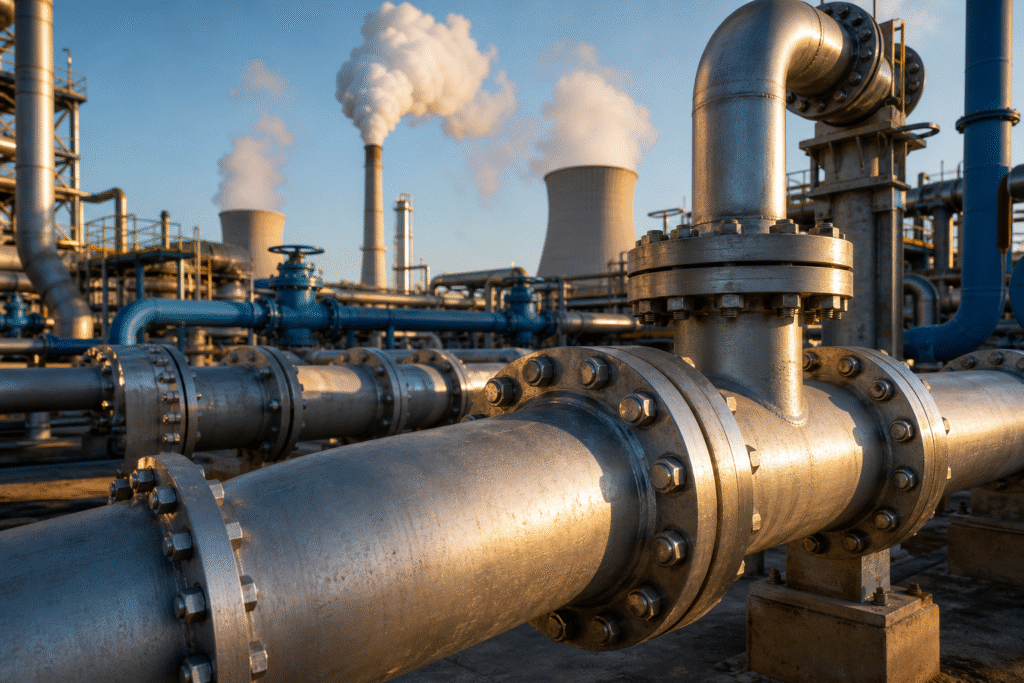
سوق شفة أنابيب الفولاذ المقاوم للصدأ يصل إلى 7.2 مليار دولار بحلول 2030: المزايا الخفية, أنواع, الاستخدامات ودليل اختيار ASME B16.5
ال شفة أنابيب الفولاذ المقاوم للصدأ market is expanding as process industries demand higher corrosion resistance, عمر خدمة أطول, والامتثال الصارم للقانون. وفقا لأبحاث جراند فيو (2024), تم تقييم سوق الفلنجات الصناعية العالمية بـ $5.8 مليار في 2023 ومن المتوقع أن يصل $7.2 مليار بواسطة 2030.
That growth reflects the Hidden Advantages of Stainless Steel Flanges in critical Pipe systems. للمهندسين وفرق المشتريات, القرار الحقيقي لا يتعلق بالسعر فقط, but also about durability, قيمة دورة الحياة, الصف المادي, و ASME B16.5 امتثال.
Market Drivers Behind Stainless Steel Pipe Flange Demand
Industrial buyers are increasingly shifting from commodity carbon steel options to higher-performance stainless solutions. بحسب موقع IBISWorld (2024), حسابات آسيا والمحيط الهادئ لأكثر من 45% من إنتاج شفة العالمية, مع كون الصين أكبر منتج.
That regional concentration matters for supply chain planning. أنه يؤثر على فترات زمنية, mill availability, alloy sourcing, and factory-direct pricing for standard and custom forged products.
في نفس الوقت, end-use demand remains strongly tied to energy and process sectors. بحسب موقع ستاتيستا (2024), تمثل صناعة النفط والغاز ما يقرب من 35% من استهلاك شفة العالمية.
لكن, stainless steel pipe flange demand now extends well beyond upstream energy. معالجة المياه, الأنظمة البحرية, مصانع الأدوية, تجهيز الأغذية, and power generation all require Stainless, صحية, and corrosion-resistant connection points.
This shift has increased interest in 304, 316, 316ل, 904ل, 2205, و 2507 الدرجات. In aggressive chloride service, buyers often move from 304 to molybdenum-bearing 316L or duplex grades to improve pitting resistance.
بحسب معلومات موردور (2024), industrial infrastructure spending in emerging markets continues to support demand for pipe connection components with longer design life. لذلك, buyers increasingly evaluate total installed cost rather than only initial unit price.
That is one reason the keyword Intriguing appears in many online searches, even if engineers would describe the topic differently. The more practical point is that the Versatility and durability of stainless steel pipe flange products make them suitable for both general utility systems and severe process conditions.
مثل SASA FLANGE supports buyers across Oil & الغاز, البتروكيماويات, توليد الطاقة, بناء السفن & البحرية, معالجة المياه, والبناء, material selection is treated as a project risk decision. مع ISO 9001:2015 وشهادات PED 2014/68/EU, the company aligns manufacturing control with the documentation expectations of EPC contractors and global distributors.
Procurement managers also care about supply flexibility. مدعومة بتصنيع CNC المتقدم واختبار الجودة الشامل, SASA FLANGE لوازم الشفاه الفولاذ المقاوم للصدأ, الشفاه من الصلب الكربوني, الشفاه سبيكة, وتجهيزات الأنابيب مثل المرفقين, المحملات, مخفضات, والقبعات.
وفقا لأبحاث السوق في المستقبل (2024), demand for corrosion-resistant piping components is growing faster in desalination, في الخارج, and chemical processing segments than in general industrial applications. نتيجة ل, stainless steel flange types with tighter metallurgy control and traceable certification are gaining share.
لمشتري المشروع, that means a stainless steel pipe flange is no longer a generic commodity. It is a specification-driven component linked to pressure class, نوع المواجهة, بدل التآكل, إجراء اللحام, ومتطلبات التفتيش.
Technical Advantages, أنواع, Uses and Material Selection Criteria
The Hidden Advantages of a stainless steel pipe flange start with corrosion resistance, but they do not end there. Stainless materials also support cleaner service conditions, better oxidation resistance, and more stable long-term sealing performance in many systems.
وفقًا لممارسة المواد ASTM وASME, forged stainless flanges are commonly supplied under ASTM A182 with dimensions governed by ASME ب16.5 و ASME B16.47 حيثما ينطبق ذلك. لذلك, a buyer must match chemistry, forging quality, فئة شفة, and dimensional standard together.
مثل جون باترفيلد, مهندس الأنابيب الأول, الدول: “نادرًا ما يبدأ فشل الشفة في مرحلة الرسم وحدها; يبدأ عادةً بعدم التطابق بين درجة المادة, كيمياء العملية, and bolt load assumptions.” That is why experienced sourcing teams review service media, درجة حرارة, ركوب الدراجات الضغط, and maintenance access before they Choose a flange type.
According to NACE guidance for sour and corrosive environments, alloy selection must consider chlorides, كبريتيد الهيدروجين, ثاني أكسيد الكربون, درجة حرارة, والتعرض للشقوق. في المقابل, many low-risk water or air systems can use 304 or 304L economically when contamination and corrosion loads remain moderate.
The most common Stainless grades for a stainless steel pipe flange include the following:
- 304 و304L للخدمات الصناعية العامة, المياه النظيفة, التدفئة والتهوية وتكييف الهواء, والواجب الكيميائي الخفيف.
- 316 and 316L for chloride-bearing service, الاجواء البحرية, and more aggressive chemical lines.
- 904L for strong corrosion resistance in severe acidic environments.
- 2205 duplex for higher strength and improved chloride stress corrosion resistance.
- 2507 super duplex for offshore, تحلية المياه, and highly corrosive process systems.
- سبائك النيكل مثل الانكونيل, مونيل, and Hastelloy for specialized high-temperature or corrosive duties.
Material selection also depends on flange Types. Each design offers different fabrication, تقتيش, and service advantages.
- Weld neck flanges support high pressure, التحميل الدوري, وخطوط العملية الحرجة.
- Slip on flanges reduce fabrication cost for lower-pressure service and easier fit-up.
- Blind flanges terminate lines, isolate equipment, and support hydrotest activities.
- Socket weld flanges suit smaller bore high-pressure piping.
- Threaded flanges work where welding is restricted or undesirable.
- Lapped joint flanges help systems that require frequent dismantling and alignment flexibility.
وفق ASME B16.5, standard flange pressure-temperature ratings vary by material group and class designation. لذلك, فصل 150, 300, 600, 900, 1500, و 2500 selection must always be verified against operating temperature.
Engineers also evaluate facing style because gasket interaction drives sealing performance. وجه مرفوع, وجه مسطح, and ring type joint options each serve different service levels and bolting requirements.
كما د. Emily Carver, عالم المواد, الدول: “The best stainless choice is rarely the highest alloy by default; it is the grade that delivers the required corrosion margin at the lowest total lifecycle cost.” That principle is especially important when comparing 304 مقابل 316 ل, or 316L versus duplex grades.
على سبيل المثال, 304 remains widely used because it offers a strong cost-to-performance balance. لكن, 316L often becomes the better option in marine, كيميائية, and higher chloride environments because molybdenum improves pitting resistance.
In practical B2B sourcing, buyers should compare these technical factors:
- معيار المواد مثل ASTM A182 F304, F304L, F316, F316L, F51, أو F53.
- Dimensional standard such as ANSI B16.5, أنسي B16.47, DIN, JIS, غوست, أو إن 1092.
- جدول الأنابيب وتطابق التجويف, بما في ذلك Sch 10S, 40س, and heavier wall combinations.
- تواجه نوع بما في ذلك الترددات اللاسلكية, FF, آر تي جيه, or custom machined facings.
- Testing documents such as EN 10204 3.1, مؤشر مديري المشتريات, hydrotest, صلابة, and ultrasonic inspection.
- إمكانية التتبع, heat number control, ومتطلبات وضع العلامات.
According to ISO manufacturing quality practice, process repeatability strongly influences sealing reliability and fit-up accuracy. لذلك, CNC machining quality, forging control, and final inspection matter as much as raw material chemistry.
SASA FLANGE تصنع الشفاه في 304, 316, 904ل, 2205, 2507 وغيرها من الدرجات الممتازة. تقديم أحجام مخصصة من 1/2" إلى 60" بأسعار تنافسية مباشرة من المصنع, the company supports project and distributor requirements across standard and non-standard dimensions.
Buyers looking for stainless steel pipe flange products often search by size, مثل 2 بوصة أو 4 شفة أنابيب الفولاذ المقاوم للصدأ بوصة, or by application, such as marine, الشفاه API, and water treatment service. في كل حالة, the engineering answer depends on media composition, فئة شفة, corrosion margin, تصميم طوقا, وطريقة التصنيع.
For deeper project support or quotations, engineering and procurement teams can اتصال SASA FLANGE for material recommendations and technical documentation. This is particularly useful when a project requires mixed standards, الحفر المخصص, or urgent replacement parts.
ASME B16.5, ASTM A182, DIN and EN Compliance Requirements
Standards compliance is one of the most important buying criteria for any stainless steel pipe flange. A flange may appear dimensionally correct, yet fail project acceptance if documentation, وضع العلامات, علم المعادن, or testing does not align with contract requirements.
ASME B16.5 يحكم الأبعاد, التسامح, تقييمات الضغط ودرجة الحرارة, وضع العلامات, and materials references for pipe flanges and flanged fittings up to NPS 24. لأقطار أكبر, ASME B16.47 typically applies, especially in heavy industrial and pipeline projects.
ASTM A182 يغطي حواف الأنابيب المصنوعة من السبائك المطروقة أو المدرفلة والفولاذ المقاوم للصدأ, تجهيزات مزورة, الصمامات, وأجزاء لخدمة درجة الحرارة العالية. في الممارسة العملية, buyers frequently specify ASTM A182 F304/F304L, F316/F316L, F904L, F51, or F53 depending on process duty.
European projects may instead call for EN 1092 flanges and PED documentation. لذلك, suppliers must understand both dimensional differences and documentation differences across ASME, DIN, وأنظمة EN.
Key standards and compliance points include:
- ASME B16.5 for dimensions and pressure classes up to NPS 24.
- ASME B16.47 للشفاه ذات القطر الأكبر.
- ASME B16.9 for stainless steel butt weld fittings used with flange assemblies.
- ASTM A182 للمواد المزورة غير القابل للصدأ وسبائك شفة.
- EN 1092 لأبعاد الحافة الأوروبية وتسميات الضغط.
- PED 2014/68/EU for pressure equipment compliance in applicable EU projects.
- NACE MR0175 for sour service material selection in oil and gas environments.
The following comparison helps procurement teams align specifications:
- ASME systems commonly use NPS sizing and pressure classes such as 150 و 300.
- EN and DIN systems often use DN sizing and PN designations such as PN16 or PN40.
- Facing dimensions, أنماط الترباس, and drilling can vary between ASME and EN standards.
- Material naming can differ even when corrosion performance is similar.
وفقًا لإطار المفوضية الأوروبية لـ PED, pressure equipment supplied into the EU often requires traceable technical files and conformity procedures. لذلك, exporters must coordinate material certificates, تقارير فحص الأبعاد, and marking records from the start of production.
كما مارك جنسن, Global Procurement Analyst, الدول: “The most expensive flange in a project is the one that arrives without acceptable certification.” That observation reflects a common reality in EPC sourcing, where missing EN 10204 3.1 certificates or incomplete heat traceability can delay site release.
SASA FLANGE supports these compliance needs with ISO 9001:2015, بيد 2014/68/الاتحاد الأوروبي, و م 2000 الشهادات. التقديم 50+ الدول عبر النفط & الغاز, البتروكيماويات, قوة, والصناعات البحرية, the company integrates quality documentation into the manufacturing workflow instead of treating it as an afterthought.
فضلاً عن ذلك, buyers should verify inspection scope before ordering. Typical requirements may include PMI for alloy confirmation, اختبار الصلابة, ferrite testing for duplex grades, الفحص بالموجات فوق الصوتية, and dimensional inspection against approved drawings.
For special service, gasket compatibility also deserves attention. Even a correctly manufactured stainless steel pipe flange can underperform if the gasket material, الانتهاء من السطح, or bolt load is unsuitable for process conditions.
According to DNV and offshore project practice, marine and offshore systems often impose stricter documentation and corrosion requirements than general industrial installations. نتيجة ل, duplex and super duplex flange packages often include more extensive testing and traceability than standard 304 أو 316 utility flanges.
كيفية اختيار منتجات شفة الأنابيب الفولاذية المقاومة للصدأ للزيت, الغاز, Power and Marine Service
Application-based selection is the fastest way to reduce procurement risk. Instead of starting with a catalog alone, engineers should begin with service conditions, متطلبات التفتيش, and lifecycle expectations.
في أنظمة النفط والغاز, stainless steel pipe flange selection often depends on chlorides, التعرض للخدمة الحامضة, وفئة الضغط. بحسب موقع ستاتيستا (2024), this sector accounts for approximately 35% من استهلاك شفة العالمية, so reliability expectations are high.
For upstream and petrochemical service, common selection rules include:
- Use weld neck flanges for high-pressure and cyclic service.
- مراجعة NACE MR0175 where H2S or sour conditions exist.
- Consider duplex grades where chlorides and strength demands exceed 316L capability.
- طلب EN 10204 3.1 certification and PMI for critical alloys.
في المعالجة الكيميائية, the main concern is media compatibility. A strong acid, chloride-rich stream, or oxidizing environment may require 316L, 904ل, هاستيلوي, or another corrosion-resistant alloy instead of standard 304.
في توليد الطاقة, steam conditions and thermal cycling often drive the design choice. لذلك, weld neck and socket weld configurations frequently offer better long-term integrity than lower-cost alternatives in critical lines.
Marine and shipbuilding applications demand resistance to salt spray, التعرض لمياه البحر, and difficult maintenance conditions. For these Uses, 316L and duplex grades are commonly preferred because they provide a stronger corrosion margin.
Water treatment and desalination projects add another layer of complexity. وفقا لأبحاث السوق في المستقبل (2024), corrosion-resistant piping components show stronger growth in desalination infrastructure than in many general industrial segments.
عندما يقوم المشترون بمقارنة الموردين, they should use a structured checklist:
- Confirm material grade and forging standard.
- Confirm dimensional standard such as ASME B16.5 أو إن 1092.
- Match pressure class to design temperature.
- Check face type, تتحمل الجدول الزمني, وسمك الجدار.
- Verify testing scope and certificate package.
- Review lead time, التعبئة والتغليف, ووثائق التصدير.
- Ask about custom drilling, special machining, and non-standard sizes.
Stainless steel pipe flange price also varies for practical reasons. محتوى النيكل, forging size, وقت المعالجة, نطاق الاختبار, and certificate requirements all influence landed cost.
لذلك, the lowest quoted price may not represent the best commercial option. A competitively priced flange without proper PMI, دقة الأبعاد, or packing protection can create much higher downstream cost.
SASA FLANGE supports custom manufacturing for standard and special projects, including stainless steel flanges and fittings for multi-industry installations. Buyers can also review broader capabilities through the product portfolio and discuss project details through the صفحة الاتصال.
For mixed packages, coordination between flanges and fittings is essential. Pipe elbows, المحملات, مخفضات, and caps must align with the same metallurgy, جدول, and documentation level as the mating flange assembly.
That is why many B2B buyers prefer a supplier that can support both flange and fitting requirements. It simplifies inspection, export paperwork, and technical communication across the full package.
النظرة المستقبلية, Procurement Strategy and Long-Term Value
The flange market outlook remains positive because process industries continue investing in replacement, expansion, and reliability upgrades. وفقا لأبحاث جراند فيو (2024), ومن المتوقع أن يصل السوق $7.2 مليار بواسطة 2030, reflecting sustained demand across energy, ماء, والبنية التحتية الصناعية.
في نفس الوقت, buyers face tighter control on total cost, not just purchase cost. لذلك, procurement strategy must balance raw material volatility, fabrication lead times, ووثائق الامتثال.
Several trends will shape stainless steel pipe flange buying decisions over the next five years:
- Greater demand for duplex and high-alloy materials in corrosive environments.
- More documentation requirements for export and EPC projects.
- Shorter project schedules and stronger preference for reliable factory-direct partners.
- Higher use of digital traceability, مؤشر مديري المشتريات, and quality reporting.
بحسب موقع IBISWorld (2024), China remains the largest manufacturing base within a region that accounts for over 45% من إنتاج شفة العالمية. نتيجة ل, strategic sourcing from qualified Chinese manufacturers can offer both scale and cost efficiency when quality systems are verified.
لفرق المشتريات, the best practice is clear. Standardize approved flange specifications, qualify suppliers by certification and inspection capability, and compare total delivered value instead of nominal unit price alone.
Engineers should also avoid overspecification where it adds no measurable benefit. على العكس من ذلك, they should not underspecify corrosion resistance, الوثائق, or machining quality in critical systems.
That balanced approach reveals the real Hidden Advantages of using a well-selected stainless steel pipe flange. Better durability, fewer shutdowns, easier compliance, and lower maintenance often outweigh a modest upfront premium.
For organizations seeking dependable supply, أحجام مخصصة, and technical support across ASME, DIN, JIS, غوست, ومعايير EN, مناقشة مع SASA FLANGE can help align specification, ميزانية, and lead-time targets. In competitive project environments, that kind of early technical coordination often creates the strongest commercial result.
الأسئلة المتداولة
ما هي الشفاه الفولاذ المقاوم للصدأ المستخدمة ل?
●تستخدم الشفاه المصنوعة من الفولاذ المقاوم للصدأ لربط أقسام الأنابيب, الصمامات, مضخات, والمعدات في الأنظمة التي تتطلب مقاومة للتآكل, clean service, and reliable sealing under pressure.
●بحسب موقع ستاتيستا (2024), تمثل صناعة النفط والغاز ما يقرب من 35% من استهلاك شفة العالمية, which shows how critical flanges are in energy infrastructure.
●They are also widely used in chemical processing, الأنظمة البحرية, معالجة المياه, محطات توليد الطاقة, المستحضرات الصيدلانية, and food-grade installations because stainless materials resist rust, التحجيم, and contamination better than many carbon steel options.
●Common Uses include line assembly, عزل المعدات, الوصول إلى الصيانة, and pressure boundary integrity in both low-pressure utility systems and high-pressure process lines.
●For best results, buyers should match material grade, فئة شفة, نوع المواجهة, والمعايير مثل ASME B16.5 to the actual service environment.
هل يصنعون تجهيزات أنابيب الفولاذ المقاوم للصدأ?
●نعم, يقوم المصنعون بإنتاج تجهيزات أنابيب الفولاذ المقاوم للصدأ مثل الأكواع, المحملات, مخفضات, قبعات, and stub ends to work with flange and welded piping systems.
●وفق ASME B16.9, butt weld fittings are standardized for dimensions and tolerances, which helps engineers maintain fit-up consistency across piping assemblies.
●هذه التركيبات متوفرة عادة في 304, 316, 316ل, 904ل, 2205, و 2507 depending on corrosion risk, فئة الضغط, and process media.
●في العديد من المشاريع, flanges and fittings should be sourced with the same metallurgy and certification level to simplify inspection and avoid mixed-documentation issues.
●For projects requiring stainless steel flanges and Fittings with EN 10204 3.1 certificates or custom dimensions, العمل مع الشركات المصنعة القائمة مثل SASA FLANGE helps reduce procurement risk.
ما هي الأنواع المختلفة من الفلنجات المصنوعة من الفولاذ المقاوم للصدأ?
●The main stainless steel flange Types are weld neck, الانزلاق على, أعمى, لحام المقبس, مترابطة, ومفاصل اللفة, and each one suits different pressure, تلفيق, and maintenance conditions.
●ASME B16.5 covers most common flange dimensions and pressure classes up to NPS 24, making it the core standard for many industrial buyers.
●Weld neck flanges are preferred for severe service and cyclic loading, while slip on flanges are often selected for easier alignment and lower fabrication cost in moderate duty.
●Blind flanges close line ends, تساعد الشفاه الملولبة في الأماكن التي يكون فيها اللحام مقيدًا, and lap joint flanges support systems that need frequent dismantling.
●The right choice depends on pressure rating, درجة حرارة, media corrosivity, جدول الأنابيب, نطاق التفتيش, واستراتيجية الصيانة.
ما هي الأنواع الثلاثة من الشفاه?
●The three most commonly referenced flange types in general industrial discussion are weld neck, الانزلاق على, والشفاه العمياء.
●These three cover many typical applications because weld neck supports critical service, slip on offers economical installation, and blind provides positive line closure.
●وفق ASME B16.5, each type must still be selected by matching pressure-temperature rating, مواجهة الاسلوب, and material group rather than by shape alone.
●في الممارسة العملية, engineers may also use socket weld, مترابطة, and lap joint flanges where project conditions require them.
●للأنظمة الحرجة, the safest approach is to review piping stress, كيمياء الخدمة, and gasket design before final selection.
ما هو رمز ASME للفلنجات المصنوعة من الفولاذ المقاوم للصدأ?
●The primary ASME dimensional standard for a stainless steel pipe flange is ASME B16.5, بينما ASME B16.47 is commonly used for larger diameters.
●Material requirements are often linked to ASTM A182 for forged stainless steel grades such as F304, F304L, F316, وF316L.
●وفقا لممارسة ASME, تقييمات الضغط ودرجة الحرارة, أبعاد, التسامح, وضع العلامات, and flange classes must all be checked together during specification review.
●Buyers should also note that European projects may call for EN 1092 instead of ASME dimensions, so interchangeability is not automatic.
●For export or EPC projects, always request dimensional compliance records and material certificates before shipment release.
كيف أختار بين 304 و 316 الشفاه الفولاذ المقاوم للصدأ?
●يختار 304 stainless steel flanges for general service and lower-corrosion environments, and choose 316 or 316L when chlorides, التعرض البحري, or harsher chemicals are present.
●The key difference is molybdenum content in 316 الدرجات, which improves resistance to pitting and crevice corrosion in aggressive media.
●According to corrosion engineering practice and common ASTM A182 اختيار المواد, 316L is frequently preferred for marine, كيميائية, and higher-purity process systems.
●لكن, 304 often remains the more economical solution when service conditions do not justify the added alloy cost.
●When the application is uncertain, a supplier with technical experience and documented quality systems such as SASA FLANGE can help evaluate the most cost-effective grade.
الوظائف ذات الصلة
شفة الوجه النهاية: شرح متحدة المركز مقابل التسنينات الحلزونية
تعتبر كل من المسننات المركزة واللولبية عبارة عن تشطيبات وجه شفة مُشكَّلة آليًا…
دوبلكس 2205 مقابل الشفاه 316L: ما هي المواد التي يجب عليك اختيارها؟?
إجابة سريعة: دوبلكس 2205 الشفاه عادة ما تكون المرشح الأقوى…

تعريف شفة الفوهة, التفاصيل ونظرة عامة على الشفاه ASME B16.36: بيانات السوق, دليل الاختيار ورؤى الامتثال
تم تقييم سوق الفلنجات الصناعية العالمية بـ $5.8 مليار…

دليل سوق شفة التخلص الأسود: مواد, 3.5″ التوافق, وبيانات مصادر B2B لحواف حوض المطبخ
يتزايد الطلب على شفة التخلص السوداء مع المشترين لتركيبات المطبخ…