
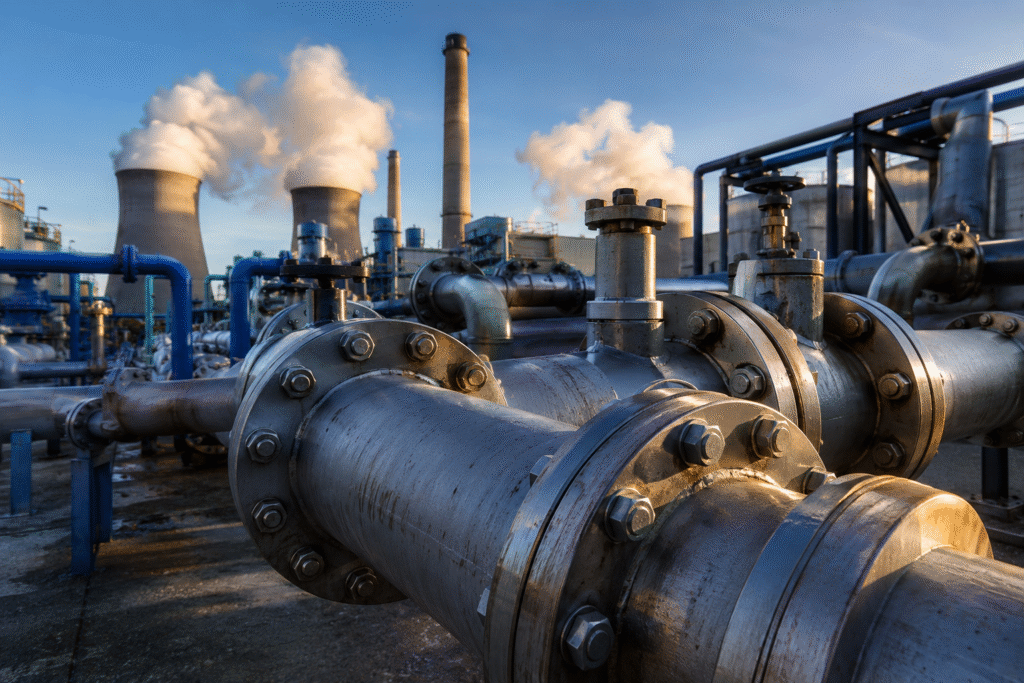
Типы фланцев из нержавеющей стали для промышленного применения
По данным исследования Grand View (2024), мировой рынок промышленных фланцев оценивался в $5.8 миллиард в 2023 и, по прогнозам, достигнет $7.2 миллиард на 2030. That growth highlights why the stainless steel pipe flange remains a critical component for industrial piping systems that demand corrosion resistance, pressure integrity, and long service life.
For procurement managers and piping engineers, the hidden advantages of stainless steel pipe flange selection go beyond material cost alone. The right flange improves sealing reliability, reduces maintenance intervals, and supports compliance with ASME, ASTM, DIN, and EN requirements in demanding sectors.
Stainless Steel Pipe Flange Demand Is Rising Across Global Industrial Markets
По данным IBISWorld (2024), На долю Азиатско-Тихоокеанского региона приходится более 45% мирового производства фланцев, при этом Китай является крупнейшим производителем. Поэтому, buyers increasingly evaluate not only price, but also mill traceability, machining consistency, and export compliance when sourcing flanges.
По данным Статистики (2024), на долю нефтегазовой отрасли приходится около 35% мирового потребления фланцев. Более того, нефтехимический, производство электроэнергии, очистка воды, and marine industries continue to specify stainless and alloy flange systems for corrosion-critical duty.
In practical terms, stainless steel flanges support leak-tight connections in piping networks that handle steam, химикаты, морская вода, hydrocarbons, and aggressive process fluids. Как результат, grades such as 304, 316, 316л, 904л, 2205, и 2507 remain central to engineering specifications worldwide.
According to Mordor Intelligence (2024), industrial process modernization and energy infrastructure investment are increasing demand for higher-integrity piping components in emerging economies. Более того, flange buyers now expect certified documentation, PMI capability, и EN 10204 3.1 material test reports as standard procurement requirements.
That market shift favors manufacturers that can combine forging, обработка с ЧПУ, инспекция, and export packaging under one quality system. С ISO 9001:2015 и сертификаты PED 2014/68/ЕС., SASA FLANGE supports industrial buyers seeking dependable stainless steel and alloy flange supply for global projects.
Another important factor is lifecycle cost. По данным Market Research Future (2024), corrosion-related maintenance can represent a major share of total operating expense in process plants, which is why stainless flange materials often deliver stronger value over time than lower-cost alternatives.
As John Reynolds, Materials Engineering Specialist, государства: «In corrosive service, flange material selection is rarely a commodity decision because the cost of one leak or shutdown can exceed the purchase price of the entire connection.» That perspective explains why end users scrutinize metallurgy, облицовочная отделка, and pressure class before approving suppliers.
Buyers also increasingly compare stainless steel pipe flange options by lead time, customization range, and standards coverage. In contrast to generic stock sellers, experienced manufacturers can offer RF, ФФ, РТЖ, резьбовой, раструбная сварка, надеть, коленный сустав, and weld neck configurations across multiple pressure ratings.
For companies managing EPC projects, turnaround maintenance, or OEM production, this broader capability matters. It simplifies sourcing and reduces vendor count while keeping dimensions aligned with ANSI B16.5, ANSI B16.47, DIN, JIS, ГОСТ, и RU 1092 стандарты.
Intriguing Stainless Steel Pipe Flange Types, Материалы, и скрытые преимущества
The most intriguing aspect of stainless steel pipe flange engineering is how small design differences can significantly affect strength, fatigue resistance, и герметичность. Поэтому, selecting among flange types should always start with the service medium, temperature range, класс давления, and joint configuration.
В соответствии с ASME B16.5, flange dimensions, бурение, лицом к лицу, and pressure-temperature ratings must remain standardized to ensure interchangeability across piping systems (ASME, 2023). Additionally, ASTM material standards such as ASTM A182 и ASTM A240 define chemical composition and mechanical properties for forged stainless components (ASTM, 2023).
Как доктор. Helen Carter, Corrosion Consultant, государства: «316L is often preferred over 304 in chloride-bearing environments because molybdenum improves pitting resistance, especially when maintenance access is limited.» Однако, дуплексные сорта, такие как 2205 and super duplex 2507 can outperform austenitic grades where high strength and chloride resistance are both required.
According to NACE guidance, chloride stress corrosion cracking risk increases as temperature and chloride concentration rise, especially in austenitic stainless steels (КДЕС, 2023). Следовательно, морской, оффшорный, and desalination applications often move from 316L to duplex or super duplex specifications.
Common stainless steel pipe flange materials include the following:
- 304 and 304L for general industrial service, food process lines, and non-chloride environments.
- 316 and 316L for chemical processing, marine exposure, and moderate chloride service.
- 904L for aggressive acids and higher corrosion resistance requirements.
- 2205 duplex for higher strength and improved resistance to chloride pitting.
- 2507 super duplex for severe offshore and seawater duty.
- Инконель, Монель, Хастеллой, and titanium for highly specialized corrosive or high-temperature systems.
The hidden advantages of a well-specified stainless steel pipe flange include more than corrosion resistance. Более того, buyers gain dimensional stability, strong weldability in low-carbon grades, lower contamination risk, and improved service life in cyclic operations.
The main flange types used in industrial piping include:
- Weld neck flange for high-pressure and high-temperature service.
- Slip on flange for moderate pressure lines and cost-effective installation.
- Socket weld flange for small-bore high-pressure piping.
- Threaded flange for systems where welding is impractical.
- Lap joint flange for frequent dismantling and stub-end assemblies.
- Blind flange for line termination, maintenance isolation, and hydrotesting.
Weld neck designs usually offer the best fatigue resistance because the tapered hub reduces stress concentration at the bore transition. В отличие, slip on flanges lower fabrication cost, but they are generally less suitable for severe cyclic or high-integrity service.
According to DNV offshore guidance, component traceability and material compatibility are essential in safety-critical piping systems (DNV, 2023). Поэтому, projects often require heat number traceability, PMI verification, hardness testing, and pressure-class confirmation before shipment.
Manufacturing quality also affects field performance. Благодаря передовой обработке с ЧПУ и всестороннему тестированию качества., SASA FLANGE produces stainless steel flanges in 304, 316, 904л, 2205, 2507 and other premium grades for buyers who need repeatable tolerances and export-ready documentation.
For engineers comparing types, the following selection logic is practical:
- Choose weld neck for high cycle fatigue, thermal shock, or high design pressure.
- Choose slip on where budget matters and service severity is moderate.
- Choose blind flanges for pressure-retaining closures and inspection points.
- Choose threaded flanges for low-temperature utility lines or non-weld installations.
- Choose duplex or super duplex where chlorides and strength requirements are both high.
According to ISO quality management principles, process control and traceability significantly improve consistency in industrial component manufacturing (ISO, 2023). Как результат, buyers increasingly favor suppliers that can issue dimensional reports, chemical analysis data, и EN 10204 3.1 certificates with every lot.
ASME, ASTM, DIN, and EN Standards That Define Stainless Steel Pipe Flange Compliance
Standards compliance is one of the fastest ways to separate industrial-grade flanges from general fabricated parts. Поэтому, every stainless steel pipe flange should be checked against dimensional, материал, давление, and documentation standards before purchase approval.
The primary standards used in global flange procurement include:
- ASME B16.5 for pipe flanges and flanged fittings from NPS 1/2 через 24.
- ASME B16.47 for large diameter steel flanges from NPS 26 через 60.
- ASTM A182 for forged or rolled alloy and stainless steel pipe flanges.
- ASME B16.9 for related butt weld fittings used in the same piping systems.
- EN 1092 for European flange dimensions and pressure designations.
- DIN and JIS standards for regional industrial requirements.
According to the Pressure Equipment Directive, pressure-retaining components supplied into qualifying EU applications must satisfy conformity and documentation requirements relevant to PED 2014/68/EU (European Commission, 2024). Additionally, offshore and sour-service applications may require alignment with NACE MR0175 and project-specific owner standards.
Buyers should also distinguish between material standards and dimensional standards. ASTM A182, for example, tells you what the forged stainless material must be, пока ASME B16.5 tells you how the flange must be sized, drilled, and rated.
A practical compliance checklist includes:
- Material grade confirmation such as F304, F304L, Ф316, F316L, F51, or F53.
- Pressure class verification such as Class 150, 300, 600, 900, 1500, или 2500.
- Facing type confirmation including RF, ФФ, or RTJ.
- Dimensional tolerance inspection to ASME or EN requirements.
- Mill test certificates and EN 10204 3.1 documentation.
- Optional PMI, твердость, феррит, and hydrostatic or NDT records.
For multinational projects, standard harmonization matters because mixed specifications can create fit-up delays and procurement errors. Например, ASME Class ratings and EN PN ratings are not directly interchangeable, so engineers should review pressure-temperature data carefully before substitution.
Согласно ASME, flange pressure-temperature ratings vary by material group and design standard, not by nominal size alone (ASME, 2023). Следовательно, a stainless steel pipe flange in Class 300 may have a different allowable pressure than a carbon steel flange under the same nominal class designation.
С ISO 9001:2015, ПЭД 2014/68/ЕС, and AD 2000 сертификаты, SASA FLANGE aligns its production and quality assurance with internationally recognized compliance expectations. That is especially valuable for EPC contractors and distributors who need documented conformity for export markets and regulated industries.
Buyers can review product scope through SASA FLANGE product pages and company capabilities through the company profile. For technical standard details, the official ASME website remains an authoritative external reference for current code guidance.
In sourcing practice, standards discipline reduces total project risk. It helps prevent mismatched bolting patterns, incorrect bore schedules, unsuitable metallurgy, and documentation gaps that can delay inspection release or commissioning.
How to Choose Stainless Steel Pipe Flange for Oil & Газ, Химическая, Власть, и морское применение
Choosing the correct stainless steel pipe flange starts with the operating envelope, not the catalog image. Поэтому, engineers should define pressure, температура, механизм коррозии, размер линии, тип фланца, лицом к лицу, and required documentation before comparing suppliers.
In oil and gas service, flange reliability directly affects safety and uptime. По данным Статистики (2024), the sector accounts for approximately 35% мирового потребления фланцев, which explains the industry’s strong focus on traceability, sour-service suitability, and pressure-class accuracy.
For oil and gas projects, selection priorities often include:
- Weld neck flanges for high-pressure lines and cyclic duty.
- 316л, дуплекс 2205, или 2507 for chloride-containing or offshore environments.
- RTJ facing for severe pressure containment requirements.
- NACE MR0175 review for sour or H2S-related service.
- PMI and 3.1 certification for critical package approval.
In chemical processing, corrosion resistance usually dominates the decision. Следовательно, 316L is common for general process service, while 904L, Хастеллой, or other nickel alloys may be needed for concentrated acids or mixed chemical streams.
Power generation introduces a different balance of risk. High temperature, термоциклирование, and steam service often favor weld neck designs with carefully controlled metallurgy and machining quality to maintain gasket seating and long-term integrity.
Marine and shipbuilding applications add constant chloride exposure and maintenance constraints. In these cases, duplex and super duplex flange materials can offer a stronger combination of strength and corrosion resistance than standard austenitic stainless grades.
As Mark Ellison, Старший инженер по трубопроводам, государства: «The best flange choice is the one that matches the real service condition, because overspecification wastes budget and underspecification creates failure risk.» That is why experienced suppliers ask about media chemistry, operating excursions, and mating component standards before quoting.
When evaluating suppliers, procurement teams should compare more than unit price. Более того, they should review manufacturing range, minimum order flexibility, heat treatment control, machining capacity, inspection procedures, and packaging for export transport.
Use the following checklist to choose correctly:
- Confirm nominal pipe size, расписание, and required bore match.
- Confirm flange standard such as ASME B16.5, Б16.47, DIN, or EN 1092.
- Confirm pressure rating and service temperature limits.
- Confirm material grade and corrosion allowance requirements.
- Confirm facing type and gasket compatibility.
- Confirm testing, сертификаты, and traceability expectations.
- Confirm delivery schedule, количество, and custom machining needs.
Serving 50+ страны по нефти & Газ, нефтехимическая, Власть, and Marine industries, SASA FLANGE предлагает нестандартные размеры от 1/2 дюйм до 60 дюйм с конкурентоспособными ценами напрямую с завода. That capability supports both standard stocking programs and project-based manufacturing for OEMs, EPC firms, and industrial distributors.
In many tenders, the decision also depends on whether the supplier can provide matching fittings. Since stainless steel flanges and fittings must work as one system, manufacturers that also supply elbows, тройники, редукторы, and caps simplify sourcing and reduce dimensional mismatch risk.
Например, a seawater cooling line may require duplex weld neck flanges, butt weld elbows to ASME B16.9, and documented PMI across the package. Similarly, a pharmaceutical utility line may prioritize 316L cleanliness, consistent surface finish, and accurate bore alignment rather than extreme pressure class.
Future Outlook for Stainless Steel Pipe Flange Procurement and Strategic Buying Recommendations
The outlook for stainless steel pipe flange sourcing remains positive as energy, вода, and industrial modernization projects continue worldwide. По данным исследования Grand View (2024), the market is expected to grow from $5.8 миллиард в 2023 к $7.2 миллиард на 2030, which indicates sustained demand for qualified manufacturers.
В то же время, buyers face tighter documentation expectations and more volatile alloy pricing. Поэтому, strategic procurement now depends on supplier qualification, framework agreements, and technical standard alignment as much as on unit cost.
По данным IBISWorld (2024), Asia-Pacific produces more than 45% of global flange output, which gives buyers broad sourcing options but also raises the importance of supplier audits and quality verification. Кроме того, regulatory and project owners increasingly demand PED conformity, прослеживаемость, and certificate packages that support faster inspection release.
For distributors and EPC teams, the most effective strategy is to prequalify suppliers before urgent demand arises. That means reviewing manufacturing scope, inspection systems, raw material traceability, machining capability, and response speed for custom orders.
Recommended actions include:
- Standardize approved grades such as 304L, 316л, 2205, и 2507 by application class.
- Build specification sheets that define flange type, лицом к лицу, рейтинг, and certificate requirements.
- Qualify at least one supplier capable of both flanges and fittings.
- Request sample MTCs, inspection reports, and photo records before large project awards.
- Use lifecycle cost, not only purchase price, when comparing stainless and duplex options.
Как результат, procurement teams can reduce rework, avoid incompatible substitutions, and improve project schedule confidence. For buyers who need custom stainless, сплав, or duplex flange support backed by international certifications and technical responsiveness, a discussion with SASA FLANGE через its engineering sales team is a practical next step.
Часто задаваемые вопросы
What are stainless steel flanges used for?
●Stainless steel flanges are used to connect pipes, клапаны, насосы, and pressure equipment in systems that require strength, коррозионная стойкость, and reliable sealing.
●По данным Статистики (2024), oil and gas alone accounts for approximately 35% мирового потребления фланцев, which shows how essential flanges are in mission-critical piping networks.
●They are widely specified in petrochemical plants, power stations, marine systems, water treatment facilities, food processing lines, and pharmaceutical utilities because stainless materials resist oxidation and many corrosive media better than carbon steel.
●The exact use depends on flange type, лицом к лицу, and pressure rating, so a weld neck flange may suit high-pressure steam service while a slip on flange may fit moderate-pressure utility piping.
●For projects requiring traceable material certificates, соответствие стандартам, and custom sizes, работа с известными производителями, такими как SASA FLANGE helps ensure the flange matches both design code and operating conditions.
What flanges are made of stainless steel?
●Common stainless steel flanges include weld neck, надеть, слепой, резьбовой, раструбная сварка, and lap joint designs produced in grades such as 304, 304л, 316, 316л, 904л, 2205, и 2507.
●ASTM A182 covers forged stainless steel pipe flanges, пока ASME B16.5 и ASME B16.47 define dimensional and pressure-class requirements for many industrial sizes and ratings.
●На практике, 304 и 316 grades dominate general industrial use, but duplex stainless flanges are increasingly selected where higher strength and chloride resistance are needed.
●Как доктор. Helen Carter, Corrosion Consultant, государства: «Material selection should reflect the actual corrosion mechanism, because stainless is a category, not a single performance level.»
●If you need stainless steel flange types matched to pipe schedule, gasket style, and media chemistry, it is best to request a technical review from a qualified supplier before finalizing the order.
Do they make stainless steel pipe fittings?
●Да, stainless steel pipe fittings are widely manufactured and commonly supplied alongside flanges to create complete corrosion-resistant piping systems.
●ASME B16.9 covers many butt weld fittings such as elbows, тройники, редукторы, and caps, and these are available in stainless grades including 304, 316л, 2205, и 2507 for industrial service.
●По данным Market Research Future (2024), process industries continue to increase spending on higher-integrity piping components to reduce maintenance and unplanned downtime.
●That means buyers often source stainless steel flanges and fittings together so that dimensions, metallurgy, and certification packages remain consistent across the line class.
●For engineered packages, it is advisable to work with a manufacturer that can supply both flanges and fittings with EN 10204 3.1 documentation and verified material traceability.
What is the strongest type of piping flange?
●In most industrial piping applications, the weld neck flange is considered the strongest standard flange type because its tapered hub distributes stress efficiently between the flange and pipe.
●According to ASME design practice, weld neck flanges are preferred for high-pressure, высокотемпературный, and cyclic service where fatigue resistance is critical (ASME, 2023).
●Strength also depends on material grade, класс давления, and service environment, so a duplex or super duplex weld neck flange may outperform an austenitic stainless alternative in chloride-heavy conditions.
●Threaded or slip on flanges can be suitable for less severe service, but they are generally not the first choice for demanding applications involving vibration, thermal expansion, or repeated pressure cycling.
●For critical process lines, engineers should evaluate flange type, лицом к лицу, metallurgy, and code compliance together rather than choosing based on nominal strength alone.
How do I choose between 304 и 316 stainless steel pipe flange grades?
●Выбирать 304 or 304L for general industrial service, but choose 316 or 316L when chloride exposure, chemical contact, or marine atmosphere increases corrosion risk.
●Как доктор. Helen Carter, Corrosion Consultant, государства: «316L is often preferred over 304 in chloride-bearing environments because molybdenum improves pitting resistance, especially when maintenance access is limited.»
●From a procurement perspective, 304 usually offers a lower purchase price, пока 316 often delivers lower lifecycle cost in aggressive service by reducing corrosion-related replacement frequency.
●According to NACE guidance (2023), chloride stress corrosion cracking risk rises with temperature and chloride concentration, which is why operating conditions matter more than general material popularity.
●When the service is highly corrosive or offshore, buyers should also compare duplex grades such as 2205 instead of limiting the decision to 304 versus 316.
Что влияет на цену фланца трубы из нержавеющей стали?
●Цена фланца для труб из нержавеющей стали зависит в основном от марки материала., тип фланца, размер, класс давления, сложность обработки, certification requirements, and order volume.
●Например, а 4 inch stainless steel pipe flange in 316L Class 300 generally costs more than a 304 slip on flange of the same size because the alloy content and machining demands are higher.
●По данным исследования Grand View (2024), continued growth in global flange demand and infrastructure investment can influence raw material procurement patterns and lead times across the supply chain.
●Additional cost drivers include PMI testing, EN 10204 3.1 сертификация, PED documentation, special facing such as RTJ, and custom drilling or nonstandard dimensions.
●The most accurate approach is to request a quotation that includes grade, стандартный, количество, диапазон размеров, and documentation scope so suppliers can price the full technical requirement rather than only the base flange.
Связанные Посты
Определение фланца с диафрагмой, Подробности и обзор фланцев ASME B16.36: Рыночные данные, Руководство по выбору и анализ соответствия требованиям
Мировой рынок промышленных фланцев оценивался в $5.8 миллиард…
Руководство по рынку черных сливных фланцев: Материалы, 3.5″ Совместимость, и данные о поставщиках B2B для фланцев для кухонной мойки
Спрос на черные фланцы для утилизации растет благодаря покупателям кухонной техники…
Руководство по типам фланцев: 2024 Данные, Стандарты, и лучшие практики выбора промышленных трубопроводов
Мировой рынок типов фланцев продолжает расширяться по мере…
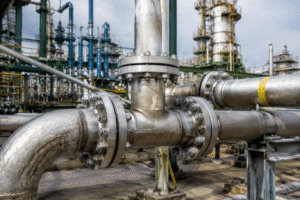
3 дюймовый фланец Руководство по покупке: Рыночные данные, Размеры, Номинальное давление, и выбор резьбовых фланцев
The 3 дюймовый фланец остается важнейшим компонентом промышленного…