
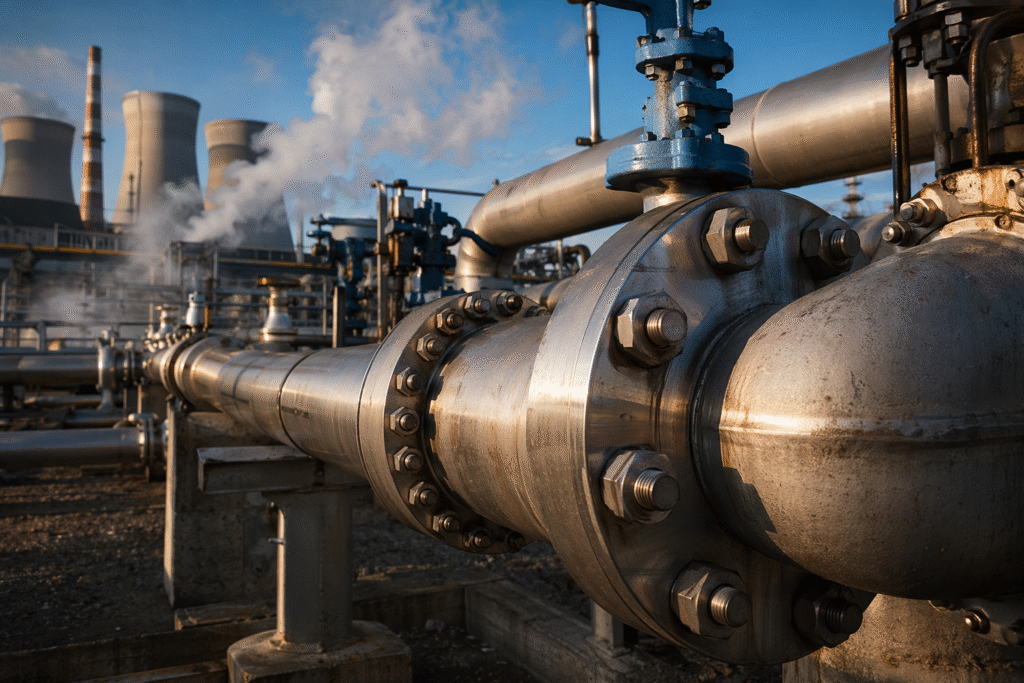
ข้อมูลเชิงลึกของตลาดหน้าแปลนท่อสแตนเลส: ข้อดีที่ซ่อนอยู่, ประเภท, การใช้งาน, และวิธีการเลือกตัวเลือกที่พบบ่อยที่สุด
จากการวิจัยของแกรนด์วิว (2024), ตลาดหน้าแปลนอุตสาหกรรมทั่วโลกมีมูลค่าอยู่ที่ $5.8 พันล้านใน 2023 และคาดว่าจะไปถึง $7.2 พันล้านโดย 2030. การเติบโตนั้นทำให้ หน้าแปลนท่อสแตนเลส เป็นส่วนประกอบเชิงกลยุทธ์สำหรับวิศวกรและผู้ซื้อที่ต้องการความต้านทานการกัดกร่อน, ความสมบูรณ์ของความดัน, and reliable lifecycle value.
สำหรับทีมงานจัดซื้อ, the intriguing part is not only price. The hidden advantages of stainless steel flanges include lower maintenance frequency, broader media compatibility, and stronger long-term performance in aggressive industrial service.
เหตุใดตลาดหน้าแปลนท่อสแตนเลสจึงขยายตัว
Industrial buyers are under pressure to reduce downtime and control total installed cost. ดังนั้น, stainless steel pipe flange demand continues to rise across oil and gas, ปิโตรเคมี, การบำบัดน้ำ, ทะเล, และการผลิตไฟฟ้า.
อ้างอิงจาก IBISWorld (2024), บัญชีเอเชียแปซิฟิกมีมากกว่า 45% ของการผลิตหน้าแปลนทั่วโลก, โดยจีนเป็นผู้ผลิตรายใหญ่ที่สุด. This matters because buyers increasingly compare lead time, ความสม่ำเสมอของโลหะวิทยา, certification support, and machining capability before placing orders.
ตามสถิติของสตาติสต้า (2024), อุตสาหกรรมน้ำมันและก๊าซมีสัดส่วนประมาณ 35% ของการบริโภคหน้าแปลนทั่วโลก. ส่งผลให้, materials such as ASTM A182 F304, F304L, F316, F316L, ดูเพล็กซ์ 2205, และซูเปอร์ดูเพล็กซ์ 2507 remain among the most specified grades for corrosive and pressure-sensitive systems.
Many buyers still focus on the most common materials only. อย่างไรก็ตาม, project requirements often call for deeper review of chloride exposure, บริการเปรี้ยว, หันหน้าไปทางหน้าแปลน, ระดับความดัน, ความเข้ากันได้ของปะเก็น, และอุณหภูมิในการทำงาน.
ASME B16.5 ควบคุมมิติ, ความคลาดเคลื่อน, การจัดอันดับความดันอุณหภูมิ, และทำเครื่องหมายสำหรับหน้าแปลนจนถึง NPS 24, ในขณะที่ ASME B16.47 ครอบคลุมเส้นผ่านศูนย์กลางที่ใหญ่กว่า. ASTM A182 กำหนดโลหะผสมปลอมแปลงหรือรีดและหน้าแปลนท่อสแตนเลส, อุปกรณ์ปลอมแปลง, และวาล์วสำหรับการบริการที่อุณหภูมิสูง (ASTM, 2024).
That standards framework helps buyers compare suppliers on objective criteria rather than sales language. นอกจากนี้, it gives EPC contractors and end users a clear basis for technical approval and inspection.
เช่น ASME บันทึกย่อ, dimensional conformity and pressure rating compliance are essential to safe piping system performance. ในแง่การปฏิบัติ, even a strong material grade can fail commercial expectations if machining accuracy, ความเรียบ, or facing finish does not meet code.
This is where manufacturer capability becomes important. SASA FLANGE supports global B2B projects with ISO 9001:2015 และการรับรอง PED 2014/68/EU, ตัวเลือกวัสดุที่กว้าง, and factory-based production control.
For buyers sourcing stainless steel flanges and fittings in 304, 316, 316ล, 904ล, 2205, และ 2507, consistency is often more valuable than lowest unit price. ได้รับการสนับสนุนจากเครื่องจักร CNC ขั้นสูงและการทดสอบคุณภาพที่ครอบคลุม, SASA FLANGE helps reduce dimensional deviation, documentation risk, and rework at site.
ตามข้อมูลของ Mordor Intelligence (2024), industrial infrastructure investment in energy and water sectors is one of the strongest growth drivers for pipe connection components worldwide. เพราะเหตุนี้, the most common flange specifications now appear in both replacement MRO demand and large greenfield capital projects.
That shift also changes what buyers ask. Instead of simply requesting a flange catalogue, they increasingly ask for EN 10204 3.1 เอกสาร, ความสามารถของพีเอ็มไอ, การประสานงานของไฮโดรเทส, NACE MR0175 material suitability, and custom drilling or facing options.
Hidden Advantages of Stainless Steel Flanges: ประเภท, วัสดุ, และปัจจัยด้านประสิทธิภาพ
The intriguing value of a stainless steel pipe flange lies in performance over time. While carbon steel may offer a lower initial price, stainless grades often reduce replacement cycles, coating needs, and service interruptions in wet, เคมี, or marine conditions.
ตามการวิจัยตลาดอนาคต (2024), การบำรุงรักษาที่เกี่ยวข้องกับการกัดกร่อนสามารถทำให้เกิดส่วนแบ่งที่สำคัญของต้นทุนการจัดการสินทรัพย์ทั้งหมดในอุตสาหกรรมกระบวนการ, มักจะเกิน 15% ของค่าใช้จ่ายในการบำรุงรักษาประจำปีในสภาพแวดล้อมที่รุนแรง. ดังนั้น, ข้อได้เปรียบที่ซ่อนอยู่จะมองเห็นได้เมื่อผู้ซื้อประเมินต้นทุนตลอดอายุการใช้งานมากกว่าราคาซื้อเพียงอย่างเดียว.
ในฐานะดร. เฮเลน มอร์ริส, นักวิทยาศาสตร์ด้านวัสดุและที่ปรึกษาด้านการกัดกร่อน, รัฐ: “ในสภาพแวดล้อมที่มีคลอไรด์, เกรดหน้าแปลนที่ไม่ถูกต้องสามารถเปลี่ยนการซื้อที่มีต้นทุนต่ำให้กลายเป็นเหตุการณ์การปิดระบบได้” ประเด็นของเธอมีความเกี่ยวข้องโดยเฉพาะกับนอกชายฝั่ง, การแยกเกลือออกจากน้ำ, และระบบแปรรูปทางเคมี.
วัสดุหน้าแปลนสแตนเลสที่พบมากที่สุด ได้แก่ 304, 304ล, 316, และ 316 ลิตร. อย่างไรก็ตาม, การใช้งานหนักจำนวนมากต้องการ 904L, ดูเพล็กซ์ 2205, ซูเปอร์ดูเพล็กซ์ 2507, หรือโลหะผสมนิกเกิล เช่น อินโคเนล, โมเนล, และฮาสเตลลอย.
- 304/304ล: ต้านทานการกัดกร่อนทั่วไปได้ดี, ความสามารถในการขึ้นรูปที่แข็งแกร่ง, และราคาที่แข่งขันได้สำหรับน้ำ, อาหาร, และบริการเคมีภัณฑ์เบา.
- 316/316ล: ต้านทานการกัดกร่อนแบบรูพรุนและรอยแยกได้ดีขึ้นเนื่องจากการเติมโมลิบดีนัม, มักนิยมใช้ในสภาพแวดล้อมทางทะเลและคลอไรด์.
- 904ล: เพิ่มความต้านทานต่อกรดซัลฟิวริกและสารเคมีที่รุนแรง.
- 2205 ดูเพล็กซ์: มีความแข็งแรงสูงกว่าและต้านทานการแตกร้าวจากการกัดกร่อนจากความเครียดจากคลอไรด์ได้ดีกว่าเกรดออสเทนนิติก.
- 2507 ซุปเปอร์ดูเพล็กซ์: ตัวเลือกระดับพรีเมียมสำหรับสภาวะที่มีคลอไรด์สูงและนอกชายฝั่ง.
Flange types also affect performance. Engineers must choose not only the material but also the correct geometry, หันหน้าไปทาง, และระดับความกดดัน.
- หน้าแปลนคอเชื่อม: ดีที่สุดสำหรับแรงดันสูง, การปั่นจักรยานด้วยความร้อน, and critical service due to smooth stress transition.
- สลิปบนหน้าแปลน: Easier to align and often more economical for lower-pressure systems.
- หน้าแปลนเชื่อมซ็อกเก็ต: Common in small-bore high-pressure piping.
- หน้าแปลนเกลียว: มีประโยชน์ในกรณีที่จำกัดการเชื่อม.
- หน้าแปลนตาบอด: ใช้เพื่อยุติ, แยกออกจากกัน, or test piping systems.
- หน้าแปลนร่วมตัก: Selected when frequent dismantling is required.
ตาม ASME B16.5, การให้คะแนนอุณหภูมิความดันจะแตกต่างกันไปตามกลุ่มวัสดุและประเภทหน้าแปลน. ส่งผลให้, ชั้นเรียน 150 flange in F316 does not carry the same selection logic as a Class 600 weld neck in duplex 2205.
ดังเช่นเจมส์ พอร์เตอร์, วิศวกรท่ออาวุโส, รัฐ: “The strongest type of flange is not always the most expensive grade; it is the one that matches load, กลไกการกัดกร่อน, and fabrication practice.” This is why experienced buyers compare schedule compatibility, ความแม่นยำในการเจาะ, welding procedure qualification, and service medium before final approval.
ตัวอย่างเช่น, ก 4 inch stainless steel pipe flange for marine cooling water may justify 316L or duplex. ในทางตรงกันข้าม, a similar size in low-chloride clean water may perform well with 304L, depending on design temperature and pressure.
Many projects now require mixed packages of flanges and fittings. ดังนั้น, manufacturers that can supply elbows, เสื้อยืด, ตัวลด, and caps in matching metallurgy create purchasing efficiency and reduce traceability gaps.
SASA FLANGE manufactures flanges and pipe fittings in stainless steel, เหล็กกล้าคาร์บอน, โลหะผสมเหล็ก, และโลหะผสมนิกเกิลประสิทธิภาพสูง. เสนอขนาดที่กำหนดเองตั้งแต่ 1/2" ถึง 60" ด้วยราคาที่แข่งขันได้จากโรงงานโดยตรง, the company supports both standard and project-specific procurement.
The company also works with ANSI B16.5, ANSI B16.47, ASME B16.9, DIN, JIS, GOST, และภาษาอังกฤษ 1092 มาตรฐาน. That range is valuable for EPC contractors managing multi-region projects with mixed design codes.
According to ISO guidance and common quality practice, ติดตามได้เต็มรูปแบบ, heat number control, and test documentation are central to pressure component quality assurance (ISO, 2024). เพราะเหตุนี้, buyers should request EN 10204 3.1 ใบรับรอง, PMI records where needed, and dimensional inspection reports for critical applications.
มาตรฐาน, การทดสอบ, and Compliance for Stainless Steel Flanges and Fittings
Compliance is a commercial issue as much as a technical one. If a flange fails documentation review, it can delay construction, customs clearance, or final handover even when the material itself is acceptable.
The core standards for a stainless steel pipe flange package usually include ASME, ASTM, DIN, and EN references. นอกจากนี้, many oil and gas projects require alignment with API and NACE expectations for specific service conditions.
- ASME B16.5: หน้าแปลนท่อและอุปกรณ์หน้าแปลนสำหรับ NPS 1/2 ผ่าน 24.
- ASME B16.47: หน้าแปลนเหล็กเส้นผ่านศูนย์กลางขนาดใหญ่สำหรับ NPS 26 ผ่าน 60.
- ASME B16.9: อุปกรณ์เชื่อมชนที่ทำจากโรงงาน.
- ASTM A182: โลหะผสมปลอมแปลงหรือรีดและหน้าแปลนท่อสแตนเลส, อุปกรณ์ปลอมแปลง, และวาล์ว.
- EN 1092: มาตรฐานหน้าแปลนยุโรปใช้กันอย่างแพร่หลายในโครงการส่งออก.
- ดินและ JIS: Important for regional compatibility and replacement demand.
ตามกรอบการทำงานของคณะกรรมาธิการยุโรป PED 2014/68/EU, pressure equipment placed on the EU market must meet essential safety requirements and conformity assessment procedures. ดังนั้น, PED compliance is not optional for qualifying projects aimed at Europe.
NACE MR0175 also becomes important in sour service. Although not every stainless grade is suitable in every H2S environment, the standard gives buyers a recognized basis for evaluating cracking risk and material restrictions (เนซ, 2024).
Below is a practical compliance comparison for industrial buyers.
- เอกสารประกอบ: EN 10204 3.1 เอ็มทีซี, การติดตามความร้อน, marking verification.
- การทดสอบ: พีเอ็มไอ, ความแข็ง, การตรวจสอบมิติ, การตรวจสอบด้วยสายตา, and optional NDT.
- เครื่องจักรกล: หันหน้าเข้าเส้นชัย, การจัดตำแหน่งรูสลักเกลียว, ศูนย์กลาง, และความแม่นยำในการเจาะ.
- การอนุมัติโครงการ: พีอีดี, ค.ศ 2000, ISO 9001:2015, and customer-specific ITP requirements.
ตามคำแนะนำของ DNV สำหรับระบบนอกชายฝั่ง (ดีเอ็นวี, 2024), ความสมบูรณ์ของวัสดุ, การควบคุมเอกสาร, and corrosion allowance planning directly affect long-term reliability in marine service. That is why marine and offshore buyers often ask for stricter review than general utility projects.
SASA FLANGE รองรับข้อกำหนดเหล่านี้ด้วย ISO 9001:2015, พีอีดี 2014/68/สหภาพยุโรป, และโฆษณา 2000 การรับรอง. เสิร์ฟ 50+ ประเทศทั่วน้ำมัน & แก๊ส, ปิโตรเคมี, พลัง, และอุตสาหกรรมทางทะเล, the company aligns manufacturing and documentation with international project expectations.
Buyers should also distinguish between standards compliance and actual execution quality. A supplier may quote ASTM A182 F316L, yet poor forging practice, inadequate solution annealing control, or inconsistent machining can still create field issues.
ดังเช่นมาร์ค เอลลิสัน, นักวิเคราะห์ตลาดอุตสาหกรรม, รัฐ: “In pressure components, quality escapes are usually expensive because discovery happens late, often during fit-up or hydrotest.” ดังนั้น, experienced procurement managers evaluate inspection planning before they compare freight terms.
ด้วยเหตุผลนั้น, stainless steel flanges and fittings should be reviewed as a complete quality package. เกรดวัสดุ, dimension, การตกแต่งพื้นผิว, ระดับความดัน, and certification must all align with the service specification.
How to Choose the Most Common Stainless Steel Pipe Flange for Real Industrial Uses
การคัดเลือกเริ่มต้นด้วยเงื่อนไขการให้บริการ. Engineers need to confirm medium, ระดับคลอไรด์, แรงกดดันในการออกแบบ, ช่วงอุณหภูมิ, ขนาดเส้น, ค่าเผื่อการกัดกร่อน, and whether frequent dismantling will occur.
ในน้ำมันและก๊าซ, weld neck flanges remain a common choice for high-pressure and cyclic service. ตามสถิติของสตาติสต้า (2024), that sector represents approximately 35% ของการบริโภคหน้าแปลนทั่วโลก, so durability and code compliance heavily influence buying behavior.
ในการแปรรูปปิโตรเคมี, 316L is often selected where chlorides or aggressive cleaning chemicals are present. อย่างไรก็ตาม, stronger or more corrosion-resistant grades such as 904L, 2205, หรือ 2507 may be preferable in severe media.
ในการผลิตไฟฟ้า, thermal cycling is a critical factor. ดังนั้น, flange geometry and weld configuration can matter as much as the alloy itself.
In shipbuilding and marine service, crevice corrosion and splash-zone exposure drive material upgrades. ส่งผลให้, duplex stainless becomes attractive where long service life and reduced maintenance justify a higher upfront investment.
สำหรับการบำบัดน้ำและการแยกเกลือออกจากน้ำ, 316L can work in many systems, but duplex grades often provide stronger resistance in high-chloride streams. According to industry corrosion studies cited by NACE (2024), chloride concentration is one of the most important triggers for pitting and crevice attack in austenitic stainless steels.
Buyers should review these criteria before ordering.
- Material grade versus process media.
- Flange type versus stress and maintenance needs.
- Pressure class versus operating and design pressure.
- ประเภทการหันหน้า เช่น RF, เอฟเอฟ, RTJ, หรือเครื่องจักรแบบกำหนดเอง.
- ตารางท่อและการจับคู่เจาะ.
- ข้อกำหนดด้านเอกสารรวมถึง EN 10204 3.1.
- การรักษาพื้นผิว, การทำเครื่องหมาย, และบรรจุภัณฑ์เพื่อการส่งออก.
- เวลานำ, ติดตามได้มาก, and inspection witness options.
The most common purchasing mistake is overgeneralization. A buyer may ask for a stainless steel slip on flange because it is familiar, while the application actually requires a weld neck flange to handle bending stress and thermal expansion safely.
Another frequent issue is using 304 where 316L is the practical minimum. In mild indoor service, 304 performs well. ในทางตรงกันข้าม, ทะเล, เคมี, and coastal environments often require higher molybdenum or duplex performance to avoid premature corrosion.
Cost evaluation should include more than the flange price. Buyers should compare welding time, maintenance burden, replacement interval, ความเสี่ยงในการปิดระบบ, และคุณภาพเอกสาร.
จากการวิจัยของแกรนด์วิว (2024), the flange market will continue expanding through 2030. เพราะเหตุนี้, ความสัมพันธ์ระยะยาวกับซัพพลายเออร์มีความสำคัญมากขึ้นเนื่องจากผู้ซื้อแสวงหาคุณภาพที่มั่นคง, ขนาดชุดที่ยืดหยุ่น, และตอบสนองอย่างรวดเร็วต่อการเปลี่ยนแปลงโครงการ.
สำหรับการเจาะแบบกำหนดเอง, ความหนาที่ไม่ได้มาตรฐาน, เส้นผ่านศูนย์กลางใหญ่, หรือแพ็คเกจแบบหน้าแปลนและข้อต่อแบบผสม, การทำงานร่วมกับผู้ผลิตที่มีประสบการณ์ช่วยลดความเสี่ยงในการประสานงาน. SASA FLANGE ให้การสนับสนุนการผลิตตามสั่งสำหรับเหล็กกล้าไร้สนิม, ดูเพล็กซ์, โลหะผสม, และเกรดที่ใช้นิกเกิลสำหรับ EPC, ผู้จัดจำหน่าย, และข้อกำหนดของ OEM.
แนวโน้มในอนาคตสำหรับหน้าแปลนสเตนเลสสตีลและคำแนะนำในการจัดหาเชิงกลยุทธ์
แนวโน้มสำหรับหน้าแปลนสเตนเลสสตีลยังคงเป็นไปในเชิงบวก เนื่องจากการใช้จ่ายด้านโครงสร้างพื้นฐานทางอุตสาหกรรมมีการขยายวงกว้างในด้านพลังงาน, น้ำ, แอลเอ็นจี, และกระบวนการผลิต. นอกจากนี้, ความต้องการทดแทนในโรงงานที่โตเต็มที่ยังคงสนับสนุนการไหลของคำสั่งซื้ออย่างต่อเนื่องสำหรับประเภทหน้าแปลนมาตรฐานและแบบกำหนดเอง.
จากการวิจัยของแกรนด์วิว (2024), ตลาดคาดว่าจะเพิ่มขึ้นจาก $5.8 พันล้านใน 2023 ถึง $7.2 พันล้านโดย 2030. นั่นบ่งบอกถึงเส้นทางการเติบโตที่สำคัญสำหรับซัพพลายเออร์ที่มีระบบคุณภาพที่แข็งแกร่ง, ความสามารถในการส่งออก, และการปฏิบัติตามรหัส.
ในเวลาเดียวกัน, มาตรฐานการจัดซื้อจัดจ้างมีความเข้มงวดมากขึ้น. ตอนนี้ผู้ซื้อคาดหวังว่าการฟื้นตัวของ MTC จะเร็วขึ้น, ติดตามได้ดีขึ้น, และการเปรียบเทียบที่ชัดเจนยิ่งขึ้นระหว่างเกรดสเตนเลสทั่วไปกับโลหะผสมดูเพล็กซ์หรือนิกเกิลขั้นสูง.
อย่างมีกลยุทธ์, ผู้ซื้อควรสร้างมาตรฐานเกรดที่ได้รับอนุมัติตามระดับบริการ. พวกเขาควรคัดเลือกซัพพลายเออร์ล่วงหน้าสำหรับความสามารถในการทดสอบ, ความถูกต้องของเอกสาร, และความสม่ำเสมอของมิติก่อนที่จะเกิดความต้องการโครงการเร่งด่วน.
นอกจากนี้, ผู้จัดจำหน่ายและบริษัทรับเหมาก่อสร้างจะได้รับประโยชน์จากซัพพลายเออร์ที่สามารถจัดส่งทั้งข้อต่อหน้าแปลนและข้อต่อเชื่อมในแพ็คเกจเดียว. แนวทางนี้ช่วยลดความยุ่งยากในการจัดการผู้ขายและปรับปรุงความสอดคล้องของโลหะวิทยาในทุกกลุ่มผลิตภัณฑ์.
วิศวกรควรทบทวนสมมติฐานด้านวัสดุที่เก่ากว่าด้วย. ในหลายกรณี, ข้อดีที่ซ่อนอยู่ของหน้าแปลนสเตนเลสหรือดูเพล็กซ์ที่ได้รับการอัพเกรดจะชัดเจนขึ้นเมื่อเกิดความล้มเหลวในการกัดกร่อน, แรงงานบำรุงรักษา, และผลผลิตที่สูญเสียไปรวมอยู่ในการคำนวณด้วย.
สำหรับบริษัทที่เปรียบเทียบผู้ผลิตหน้าแปลนทั่วโลก, การตัดสินใจที่ดีที่สุดมักจะรวมความเหมาะสมทางเทคนิคเข้าด้วยกัน, การปฏิบัติตามมาตรฐาน, and dependable production execution. For projects requiring certified, กำหนดเอง, and export-ready stainless steel pipe flange solutions, it is practical to discuss specifications early with SASA FLANGE.
คำถามที่พบบ่อย
หน้าแปลนสแตนเลสใช้ทำอะไร?
●หน้าแปลนสแตนเลสใช้สำหรับเชื่อมต่อท่อ, วาล์ว, ปั๊ม, and vessels in systems that require strength, ความต้านทานการกัดกร่อน, and reliable maintenance access.
●ตามสถิติของสตาติสต้า (2024), น้ำมันและก๊าซคิดเป็นประมาณ 35% ของการบริโภคหน้าแปลนทั่วโลก, which shows how important flanged joints are in critical process piping.
●They are widely specified in petrochemical, ทะเล, การบำบัดน้ำ, การแปรรูปอาหาร, and power generation service where welded or threaded connections alone may not provide the same flexibility for inspection and replacement.
●Common uses include line termination with blind flanges, การเชื่อมต่ออุปกรณ์หมุน, จุดแยก, and transitions between piping sections of different pressure classes or maintenance needs.
●For projects requiring certified materials, ความแม่นยำของมิติ, และ EN 10204 3.1 เอกสารประกอบ, ทำงานร่วมกับผู้ผลิตที่จัดตั้งขึ้นเช่น SASA FLANGE helps reduce quality and traceability risk.
หน้าแปลนอะไรทำจากสแตนเลส?
●Most standard flange designs can be produced in stainless steel, รวมถึงคอเชื่อม, ลื่นบน, ตาบอด, เชื่อมซ็อกเก็ต, เกลียว, และประเภทข้อต่อตัก.
●ASTM A182 commonly covers forged stainless steel flanges in grades such as F304, F304L, F316, F316L, F321, F347, ดูเพล็กซ์ 2205, and other corrosion-resistant alloys.
●ตาม ASME B16.5 และ B16.47, these flanges are available across multiple sizes, หันหน้าไปทางประเภท, and pressure classes for industrial piping systems.
●The most common stainless options are 304 และ 316 เกรด, while chloride-heavy or offshore service may require 2205, 2507, or 904L to improve pitting and stress corrosion performance.
●If buyers need stainless steel flanges and fittings in matching metallurgy and custom dimensions, it is advisable to confirm code standard, ระดับความดัน, and facing details with SASA FLANGE before production.
พวกเขาทำข้อต่อท่อสแตนเลสหรือไม่?
●ใช่, stainless steel pipe fittings are routinely manufactured for industrial systems, รวมทั้งข้อศอกด้วย, เสื้อยืด, ตัวลด, หมวกแก๊ป, ต้นขั้วสิ้นสุด, and custom buttweld components.
●ASME B16.9 เป็นมาตรฐานสำคัญสำหรับอุปกรณ์เชื่อมแบบก้นดัดที่ผลิตจากโรงงาน, and matching fittings are often ordered with flanges to maintain metallurgy consistency across the piping line.
●ตามข้อมูลของ Mordor Intelligence (2024), integrated sourcing of piping components is increasing as EPC contractors seek fewer vendors and better documentation control.
●เกรดเช่น 304, 316ล, 904ล, 2205, 2507, อินโคเนล, โมเนล, ฮาสเตลลอย, and titanium are selected based on corrosion mechanism, อุณหภูมิ, and pressure requirement.
●เพื่อประสิทธิภาพการจัดซื้อจัดจ้าง, buyers should request one supplier to provide flanges and fittings together when possible, especially for projects that require traceability, เอกสารพีอีดี, and coordinated inspection.
หน้าแปลนท่อชนิดใดที่แข็งแรงที่สุด?
●The strongest type of piping flange for most high-pressure and cyclic services is usually the weld neck flange because its tapered hub distributes stress more effectively than flat-hub designs.
●ASME B16.5 pressure-temperature ratings and the selected material grade both influence actual strength, so geometry alone does not determine performance.
●ดังเช่นเจมส์ พอร์เตอร์, วิศวกรท่ออาวุโส, รัฐ: “A weld neck flange usually gives the best structural behavior, but only when the material, การแข่งขันเจาะ, และขั้นตอนการเชื่อมให้เหมาะสมกับการบริการ”
●ในการใช้งานที่รุนแรง, หน้าแปลนคอเชื่อมในแบบดูเพล็กซ์ 2205, 2507, หรือโลหะผสมอาจมีประสิทธิภาพเหนือกว่าตัวเลือกสเตนเลสเกรดต่ำกว่า, โดยเฉพาะอย่างยิ่งภายใต้การหมุนเวียนด้วยความร้อนหรือการโหลดแบบไดนามิก.
●ผู้ซื้อควรประเมินระดับความดัน, สื่อการบริการ, และวิธีการประกอบเข้าด้วยกัน แทนที่จะคิดว่าหน้าแปลนที่แพงที่สุดจะเป็นตัวเลือกที่แข็งแกร่งที่สุดโดยอัตโนมัติ.
จะเลือกยังไงระหว่าง. 304 และ 316 หน้าแปลนสแตนเลส?
●เลือก 304 หน้าแปลนสแตนเลสสำหรับน้ำทั่วไป, สารเคมีอ่อน, และบริการอุตสาหกรรมในร่ม, และเลือก 316 หรือ 316L เมื่อคลอไรด์, การสัมผัสทางทะเล, หรือมีสารเคมีที่มีฤทธิ์รุนแรงมากขึ้น.
●316 ประกอบด้วยโมลิบดีนัม, ซึ่งช่วยเพิ่มความต้านทานการกัดกร่อนแบบรูพรุนและรอยแยก, และความแตกต่างดังกล่าวมักจะทำให้ต้นทุนที่สูงขึ้นในสภาพแวดล้อมชายฝั่งหรือกระบวนการ.
●ตามคำแนะนำของ NACE (2024), ความเข้มข้นของคลอไรด์เป็นปัจจัยสำคัญในความเสี่ยงต่อการกัดกร่อนเฉพาะจุดสำหรับสเตนเลสออสเทนนิติกที่ใช้ในระบบท่อ.
●จากมุมมองของการจัดซื้อจัดจ้าง, ตัวเลือกที่ถูกต้องจะขึ้นอยู่กับต้นทุนตลอดอายุการใช้งานมากกว่าต้นทุนแรก เนื่องจากความล้มเหลวในการกัดกร่อนตั้งแต่เนิ่นๆ อาจทำให้เกิดการปิดระบบได้, แรงงานทดแทน, and inspection expense.
●สำหรับโครงการที่สำคัญ, buyers should review process fluid, อุณหภูมิ, สารเคมีทำความสะอาด, and maintenance interval with a qualified flange manufacturer before confirming the grade.
มาตรฐานใดที่ใช้กับขนาดและราคาหน้าแปลนท่อสแตนเลส?
●Stainless steel pipe flange sizes are primarily governed by ASME B16.5 สำหรับกรมอุทยานฯ 1/2 ผ่าน 24 และ ASME B16.47 สำหรับขนาดที่ใหญ่ขึ้น, ในขณะที่ราคาขึ้นอยู่กับเกรด, ขนาด, ระดับความดัน, เครื่องจักรกล, และปริมาณ.
●ก 2 นิ้วหรือ 4 inch stainless steel pipe flange may look simple, but cost changes significantly when the project requires 316L instead of 304, RTJ instead of RF, or PED-compliant documentation.
●จากการวิจัยของแกรนด์วิว (2024), the industrial flange market is growing steadily, and this supports continued demand across standard stock items and custom-engineered orders.
●โครงการในยุโรปอาจต้องใช้ EN 1092 การปฏิบัติตาม, while replacement work in legacy systems may involve DIN or JIS dimensions that affect production method and lead time.
●To obtain an accurate quotation, buyers should provide size, ระดับ, หันหน้าไปทาง, วัสดุ, มาตรฐาน, ปริมาณ, and certification requirement rather than asking only for a generic stainless steel flange price.
โพสต์ที่เกี่ยวข้อง
หน้าแปลนเสร็จสิ้น: อธิบาย Serrations แบบศูนย์กลางและแบบเกลียว
ฟันปลาแบบศูนย์กลางและแบบเกลียวมีทั้งการตกแต่งผิวหน้าแปลนด้วยเครื่องจักร…
ดูเพล็กซ์ 2205 เทียบกับหน้าแปลน 316L: คุณควรเลือกวัสดุใด?
ตอบด่วน: ดูเพล็กซ์ 2205 หน้าแปลนมักจะเป็นตัวเลือกที่แข็งแกร่งกว่า…

คำจำกัดความหน้าแปลนปาก, รายละเอียดและภาพรวมหน้าแปลน ASME B16.36: ข้อมูลการตลาด, คู่มือการคัดเลือกและข้อมูลเชิงลึกด้านการปฏิบัติตามข้อกำหนด
ตลาดหน้าแปลนอุตสาหกรรมทั่วโลกมีมูลค่าอยู่ที่ $5.8 พันล้าน…

คู่มือการตลาดหน้าแปลนการกำจัดสีดำ: วัสดุ, 3.5″ ความเข้ากันได้, และการจัดหาข้อมูล B2B สำหรับหน้าแปลนอ่างล้างจาน
ความต้องการหน้าแปลนกำจัดสีดำเพิ่มขึ้นเนื่องจากผู้ซื้ออุปกรณ์ติดตั้งในครัว…