
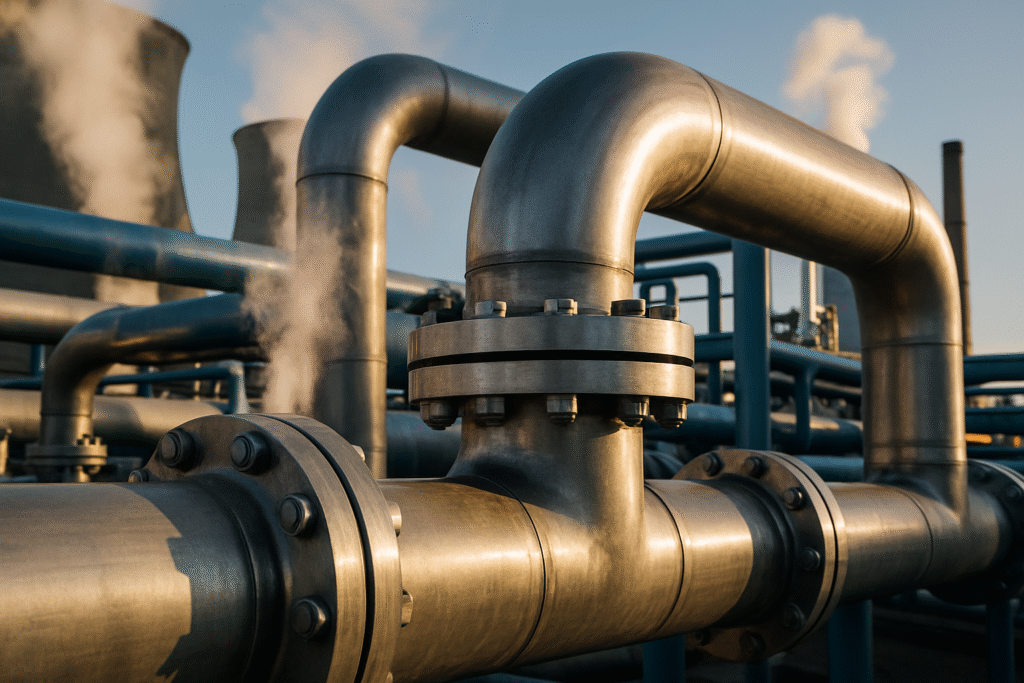
Paslanmaz Çelik Boru Flanş Pazarı 7,2 Milyar Dolara Ulaşacak 2030: Gizli Avantajlar, Türler, Kullanım Alanları, ve Nasıl Seçilir
Grand View Araştırmasına göre (2024), küresel endüstriyel flanş pazarı şu şekilde değerlendi: $5.8 milyar 2023 ulaşılması öngörülüyor ve $7.2 milyar tarafından 2030. That growth explains why the stainless steel pipe flange has become a strategic procurement item for EPC contractors, tesis mühendisleri, and industrial distributors seeking corrosion resistance, basınç bütünlüğü, ve uzun servis ömrü.
For buyers in Oil & Gaz, petrokimya, güç, deniz, ve su arıtma, the hidden advantages of stainless steel pipe flange selection often appear in lifecycle cost rather than initial purchase price. Öyleyse, understanding flange materials, basınç sınıfları, standartlar, and application-specific uses is essential before you choose a pipe flange for critical service.
Industrial Demand for Stainless Steel Pipe Flange Is Rising Across Global Projects
IBISWorld'e göre (2024), Asya-Pasifik'in hesapları 45% küresel flanş üretimi, Çin'in en büyük üretici olduğu. Sonuç olarak, procurement teams increasingly source from qualified Chinese manufacturers that combine scale, izlenebilirlik, ve ihracat uyumluluğu.
Statista'ya göre (2024), Petrol ve gaz endüstrisi yaklaşık olarak 35% küresel flanş tüketiminin. Dahası, rafineri yükseltmeleri, LNG terminalleri, açık deniz platformları, and pipeline rehabilitation projects continue to drive demand for forged and machined stainless flanges in ASTM and ASME grades.
Market expansion also reflects stricter operating conditions. Korozyon, klorüre maruz kalma, ekşi servis, termal bisiklet, and pressure pulsation all push end users toward stainless, dubleks, nikel alaşımı, and other engineered flange materials.
Mordor İstihbaratına göre (2024), industrial process equipment investment in emerging markets continues to rise alongside chemical, tuzdan arındırma, and energy infrastructure spending. Sonuç olarak, procurement managers now evaluate flanges not only by unit cost, but also by compliance, metalurji, ve teslimat güvenilirliği.
Bu ortamda, stainless steel pipe flange sourcing has become a technical buying process. Buyers want dimensional accuracy, EN 10204 3.1 dokümantasyon, PMI yeteneği, hydrostatic or pneumatic test support, and full conformity to ASME B16.5, ASME B16.47, DIN, JIS, GOST, ve TR 1092 gereksinimler.
ASME specifies the dimensional and pressure-temperature framework that underpins most industrial flange systems, especially in North America and export projects. You can review core requirements directly at ASME.org, which remains an essential reference for engineering validation.
SASA FLANGE operates in this exact procurement space. İle ISO 9001:2015 ve PED 2014/68/EU sertifikaları, şirket paslanmaz çelik flanşlar tedarik ediyor, karbon çelik flanşlar, alaşım flanşlar, and pipe fittings for demanding industrial services in more than 50 ülkeler.
Ek olarak, SASA FLANGE içinde üretmektedir 304, 316, 316L, 904L, 2205, 2507, A105, A182, İnkonel, Monel, Hastelloy, ve Titanyum. Gelişmiş CNC işleme ve kapsamlı kalite testleri ile desteklenmektedir, it supports custom sizes from 1/2" 60'a kadar" for global project and MRO requirements.
B2B alıcıları için, this matters because late-stage flange failure can be expensive. Pazar Araştırması Geleceğine Göre (2024), maintenance and replacement costs in industrial piping systems can consume a significant share of total plant operating expenditure, particularly in corrosive processing environments.
David Hughes olarak, Kıdemli Boru Mühendisi, eyaletler: “Flanş asla sadece bir konnektör değildir; bu bir basınç sınırıdır, a maintenance interface, and a reliability decision.” That perspective explains why experienced buyers compare material grade, kaplama kaplama, cıvatalama yükü, and gasket compatibility before issuing a purchase order.
When procurement teams evaluate experienced manufacturers, they also look for application knowledge. Genel tüccarların aksine, technically competent producers can recommend whether a weld neck, giymek, kör, dişli, soket kaynağı, kucak eklemi, or reducing flange is the correct choice for pressure class, schedule number, and service media.
Stainless Steel Pipe Flange Hidden Advantages, Türler, ve Teknik Seçim Faktörleri
The most intriguing aspect of a stainless steel pipe flange is not simply corrosion resistance. Its hidden advantages include lower contamination risk, better appearance retention, reliable cleanability, strong mechanical performance, and reduced maintenance frequency in wet or aggressive environments.
ASTM ve ASME malzeme uygulamalarına göre, dövme paslanmaz flanşlar yaygın olarak kullanılır ASTM A182 F304 gibi kaliteler, F304L, F316, F316L, F321, F347, and duplex variants where specified. These grades support a wide range of temperature and corrosion conditions, although exact selection depends on media composition, basınç sınıfı, and welding procedure requirements.
Korozif hizmet için NACE kılavuzuna göre, chloride stress corrosion cracking and sulfide-related damage remain central risks in plant metallurgy decisions (NACE, 2023). Öyleyse, 316/316L, 904L, 2205, veya 2507 may outperform 304 deniz suyunda, ekşi, or chloride-bearing applications.
Dr. olarak. Elena Markoviç, Malzeme Bilimcisi, eyaletler: “The right stainless flange grade is chosen by environment, not habit; molibden, nickel balance, and duplex structure can dramatically improve field life.” That is why experienced engineers compare not only price, but pitting resistance, kaynaklanabilirlik, and crevice corrosion behavior.
For most industrial buyers, the main flange types include the following.
- Weld neck flange for high-pressure and high-temperature service with superior stress distribution.
- Slip on flange for moderate service where easier alignment and lower initial cost are priorities.
- Blind flange for system isolation, bakım kapatmaları, ve basınç testi.
- Küçük çap için soket kaynaklı flanş, yüksek basınçlı sistemler.
- Threaded flange for non-welded connections in low to medium pressure service.
- Sık sık sökme ve hizalama esnekliği gerektiren sistemler için bindirmeli flanş.
- Reducing flange for transitions between larger and smaller piping sizes.
Each type serves different uses. Örneğin, a weld neck stainless steel pipe flange suits thermal cycling and severe service, while a threaded pipe flange may fit utility lines where field welding is restricted.
The decision matrix usually starts with five variables.
- Malzeme kalitesi gibi 304, 316L, 904L, 2205, veya 2507.
- Pressure-temperature class such as Class 150, 300, 600, 900, 1500, veya 2500.
- Pipe schedule compatibility such as SCH 10, SCH 40, SCH 80, or XS.
- RF gibi bakan tip, FF, RTJ, dil ve oluk, veya erkek ve dişi.
- Applicable code such as ASME B16.5, ASME B16.47, DIN, veya TR 1092.
Buna göre ASME B16.5, flanş boyutları, toleranslar, sondaj, kaplamalar, and pressure classes must be controlled to ensure interchangeability and sealing integrity (ASME, 2020). Öyleyse, dimensional conformity is not optional; it directly affects gasket compression, cıvata gerilimi, and leak performance.
ASTM A182 governs many forged or rolled alloy and stainless steel pipe flange materials for high-temperature service (ASTM, 2023). Bu sırada, ASTM A240 often applies to plate products that may feed some flange or fitting manufacturing routes, especially for flat or fabricated components.
Procurement managers often ask whether 304 veya 316 is better. pratikte, 304 offers excellent general corrosion resistance and cost efficiency, while 316/316L adds molybdenum for stronger resistance in chloride-containing environments and many chemical services.
Fakat, the hidden advantages of duplex grades deserve equal attention. Dubleks 2205 combines higher strength with improved resistance to chloride pitting and stress corrosion cracking, ve süper dubleks 2507 provides even greater corrosion performance for offshore, tuzdan arındırma, and marine process systems.
Açık deniz sistemleri için DNV kılavuzuna göre, material selection strongly influences lifecycle integrity where chloride loading, titreşim, and cyclic operating conditions are high (DNV, 2023). Öyleyse, a lower-cost flange can become the more expensive option if corrosion allowance, replacement labor, and downtime are considered.
Şu tarihte: SASA FLANGE, buyers can source stainless steel pipe flange products in multiple grades and configurations through its product portfolio. The company supports forged flanges and related fittings, dirsekler dahil, tişört, redüktörler, ve büyük harfler, which helps EPC and distributor customers consolidate supply chains.
Lead time and consistency also shape buying decisions. IBISWorld tarafından özetlenen sektör satın alma kriterlerine göre (2024), delayed mechanical components can disrupt construction schedules and increase indirect project cost by multiples of the original component value.
Bu nedenle, engineers should request these documents during technical review.
- Malzeme test sertifikaları EN 10204 3.1.
- Heat number traceability and positive material identification.
- Boyutsal muayene kayıtları.
- NDE or supplementary test reports if required.
- PED, Reklam 2000, or project-specific compliance statements.
These requirements are especially important when buying stainless steel flanges and fittings for regulated systems. Üstelik, where sour service or corrosive media are present, buyers should align purchase specifications with NACE MR0175 or project metallurgy rules.
ASME, ASTM, DIN, ve Paslanmaz Çelik Boru Flanş Uygunluğunu Tanımlayan EN Standartları
Standards compliance separates commodity supply from project-grade supply. Endüstriyel borularda, the flange must match not only the pipe size, but also the code basis, basınç sınıfı, malzeme standardı, bakan geometri, ve muayene gereklilikleri.
The most frequently referenced standards include ASME B16.5 NPS için 1/2 başından sonuna kadar 24 Ve ASME B16.47 daha büyük çaplar için. Avrupa projelerinde, EN 1092 often governs pressure classes, boyutlar, and drilling patterns, while DIN legacy references may still appear in older facilities.
ASTM standartları malzeme kimyasını ve mekanik özelliklerini tanımlar. For stainless steel pipe flange manufacturing, ASTM A182 is especially relevant for forged grades, Ve ASTM A240 may apply for plate-based materials used in associated components.
ISO kalite yönetim ilkelerine göre, manufacturing control and traceability reduce variation and support repeatable conformance in industrial components (ISO, 2015). Sonuç olarak, ISO 9001:2015 certification remains a meaningful screening criterion for procurement teams.
The following comparison helps engineers align common standards.
- ASME B16.5: flange dimensions and pressure-temperature ratings for common industrial sizes.
- ASME B16.47: large diameter flange dimensions for major pipeline and plant systems.
- ASME B16.9: dimensions for butt weld fittings such as elbows and reducers.
- ASTM A182: forged or rolled alloy and stainless steel flange material requirements.
- EN 1092: European flange dimensions and PN classifications.
- NACE MR0175: Ekşi hizmet ortamları için materyal rehberliği.
Pressure class and pressure rating are often misunderstood. Bir Sınıf 150 stainless steel pipe flange does not mean 150 psi in all conditions, because allowable pressure decreases as temperature rises, and exact values depend on material group and code tables.
Facing finish also deserves attention. Raised face flanges remain standard in many process lines, while ring type joint flanges are preferred for higher pressure and more critical sealing applications.
Resim alternatif metni önerisi: stainless steel pipe flange dimensions and ASME standard forged flange inspection. This visual should show dimensional verification, flange facings, and CNC-machined sealing surfaces in a clean industrial setting.
SASA FLANGE uyumluluk güvenini güçlendirir ISO 9001:2015, PED 2014/68/AB, ve AD 2000 kimlik bilgileri. For export-oriented buyers, those certifications support qualification for projects that demand documented quality management and pressure equipment conformity.
Ek olarak, the company manufactures to ANSI B16.5, ANSI B16.47, ASME B16.9, DIN, JIS, GOST, ve TR 1092. That range is useful for contractors managing mixed-specification projects, brownfield replacements, or multinational plant expansions.
Mark Feldman olarak, Endüstriyel Pazar Analisti, eyaletler: “In flange procurement, nonconforming dimensions create hidden cost faster than material price ever saves.” Öyleyse, buyers should verify drilling patterns, bore dimensions, tırtıklı bitiş, and facing type against approved drawings and standards before shipment.
For projects requiring special inspection, buyers can also request hardness testing, PMI, ferrite checks where applicable, ve üçüncü taraf tanık muayenesi. These steps are common in offshore, kimyasal, enerji üretimi, and marine contracts where failure risk is high.
Resim alternatif metni önerisi: stainless steel pipe flange manufacturing with CNC machining, PMI testi, and export packing for industrial piping systems. This image should communicate quality assurance and factory-direct production capability.
Petrol için Doğru Paslanmaz Çelik Boru Flanşı Nasıl Seçilir, Gaz, Kimyasal, Güç, ve Denizcilik Hizmeti
To choose the correct stainless steel pipe flange, engineers should start with service conditions rather than catalog preference. Medya bileşimi, çalışma sıcaklığı, pressure transients, maintenance philosophy, and corrosion allowance all affect the final specification.
Petrol ve gaz sistemleri için, 316/316L, dubleks 2205, ve süper dubleks 2507 often appear where chlorides, deniz suyu, or aggressive fluids are present. Statista'ya göre (2024), the sector represents about 35% küresel flanş tüketiminin, so oil and gas specifications strongly shape market demand.
Petrokimya ve kimya tesislerinde, buyers should evaluate corrosion by acid, caustic, solvent, and chloride exposure. Sonuç olarak, 904L, nikel alaşımları, or higher-performance stainless grades may be justified despite higher upfront cost.
Power generation introduces another challenge: termal yorgunluk. High-temperature systems may require material grades and flange types that better handle expansion, döngüsel yükleme, ve buhar hizmeti, especially in superheated or high-pressure circuits.
Marine and shipbuilding applications demand strong resistance to salt spray, seawater contamination, and galvanic interaction. Öyleyse, 316L, 2205, veya 2507 often provide stronger lifecycle economics than standard 304 in deck, balast, tuzdan arındırma, and cooling-water service.
Water treatment and desalination projects add constant chloride exposure and cleaning cycles. Bu sistemlerde, the hidden advantages of molybdenum-bearing and duplex stainless flanges become especially important for long-term sealing reliability.
Engineers can use this practical selection checklist.
- Confirm service media, klorür seviyesi, pH, and operating temperature range.
- Match flange type to process duty, bakım erişimi, and welding preference.
- Verify pressure class against design pressure and code temperature derating.
- Align bore and schedule with mating pipe to avoid flow disruption.
- Specify facing type based on gasket style and leakage tolerance.
- Request test certificates, izlenebilirlik, and required compliance documents.
- Review packaging and export protection for stainless surface quality.
Dimension questions are equally important. A 4 inç paslanmaz çelik boru flanşı, Örneğin, may differ by ASME class, program deliği, bakan stil, ve delme düzeni, so a nominal size alone is never enough for quotation or production.
Price should be evaluated carefully. Stainless steel pipe flange price varies by alloy content, dövme rotası, işleme karmaşıklığı, test kapsamı, ve miktar, and freight can materially influence landed cost for urgent project deliveries.
Custom manufacturing can reduce these risks. Başından sonuna kadar doğrudan teknik danışmanlık, SASA FLANGE supports custom sizes from 1/2" 60"a kadar, multiple material grades, and project-driven machining requirements for EPC, distribütör, and OEM buyers.
That capability is valuable when standard catalog options do not match project drawings. Örneğin, reducing flanges, nonstandard bores, özel kaplamalar, or mixed packages of flanges and fittings can simplify procurement and shorten coordination cycles.
SASA FLANGE also serves buyers needing elbows, tişört, redüktörler, and caps in matched metallurgy. This integrated supply approach helps maintain consistency across complete piping packages for construction and maintenance projects.
When buyers compare suppliers, they should review these commercial points as closely as technical points.
- Minimum order quantity and lot flexibility.
- Production capacity and realistic lead times.
- Export experience and packaging standards.
- Third-party inspection support.
- After-sales response for documentation and claims.
For projects requiring certified stainless steel flanges and fittings, working with SASA FLANGE can reduce technical ambiguity. Its mix of material range, standartların kapsamı, and inspection capability supports both distributor resale and end-user project procurement.
Future Outlook for Stainless Steel Pipe Flange Buyers and Strategic Procurement Recommendations
Grand View Araştırmasına göre (2024), endüstriyel flanş pazarının büyümesi bekleniyor $5.8 milyar 2023 ile $7.2 milyar tarafından 2030. That trajectory signals sustained demand from energy transition projects, su altyapısı, LNG, kimyasal işleme, and industrial maintenance programs.
IBISWorld'e göre (2024), Asya-Pasifik şimdiden daha fazla katkıda bulunuyor 45% küresel flanş üretimi. Öyleyse, buyers who build structured sourcing relationships in the region can improve cost competitiveness while still maintaining quality, uyumluluk, and delivery control.
Fakat, strategic sourcing should not focus on price alone. Tersine, the strongest procurement outcomes come from balancing metallurgy, standards conformity, document quality, inventory planning, and supplier communication.
Three recommendations stand out for B2B buyers. Birinci, standardize approved material and flange specifications by service category to reduce engineering rework and quote variability.
Saniye, prequalify suppliers with ISO 9001:2015, PED, and traceability capability before the urgent project phase begins. Üçüncü, consolidate flanges and fittings where possible to reduce logistics complexity, document gaps, and mismatch risk across the piping package.
Digital procurement is also changing how industrial buyers evaluate suppliers. Buyers increasingly expect quick quotation turnaround, boyutsal netlik, material substitutions only with approval, and full document support before shipment release.
Sonuç olarak, suppliers that combine technical depth with responsive communication will gain share. For companies planning current or upcoming projects in stainless, dubleks, nikel alaşımı, or mixed-material piping systems, early engagement with experienced manufacturers such as SASA FLANGE can improve specification accuracy and total project efficiency.
Sıkça Sorulan Sorular
Paslanmaz çelik flanşlar ne için kullanılır??
●Boruları bağlamak için paslanmaz çelik flanşlar kullanılır, vanalar, pompalar, Korozyona dayanıklılık gerektiren sistemlerde ve basınçlı ekipmanlarda, temizlenebilirlik, and secure disassembly for maintenance.
●Statista'ya göre (2024), petrol ve gaz endüstrisi tek başına yaklaşık olarak 35% küresel flanş tüketiminin, which shows how essential flange connections are in critical process infrastructure.
●Common uses include chemical transfer lines, açık deniz boruları, buhar sistemleri, food and beverage process lines, marine services, and water treatment plants where carbon steel may corrode too quickly.
●Engineers typically choose a stainless steel pipe flange when media, sıcaklık, hygiene requirements, or lifecycle economics justify a premium material over painted or galvanized alternatives.
●For projects requiring traceable materials and standards compliance, gibi yerleşik üreticilerle çalışmak SASA FLANGE boyutsal doğruluğun sağlanmasına yardımcı olur, EN 10204 3.1 dokümantasyon, and reliable quality control.
arasındaki fark nedir? 304 Ve 316 paslanmaz çelik boru flanş malzemeleri?
●The main difference is that 316 ve 316L molibden içerir, which improves resistance to chlorides, many chemicals, and aggressive process conditions compared with 304 ve 304L.
●ASTM A182 commonly covers both F304/F304L and F316/F316L forged flange grades, and engineers often specify 316L for marine, kıyı, and chemical duties where pitting resistance is more important.
●NACE rehberliğine göre (2023), chloride-bearing environments require careful material selection because localized corrosion can accelerate quickly in unsuitable grades.
●Pratik açıdan, 304 is often the economical choice for general industrial service, while 316L is preferred for seawater splash zones, process chemicals, and more corrosive cleaning cycles.
●For buyers comparing lifecycle value rather than unit price, teknik rehberlik talebinde bulunmak SASA FLANGE can help match grade selection to actual operating conditions.
Ana paslanmaz çelik flanş tipleri nelerdir?
●En yaygın paslanmaz çelik flanş türleri kaynak boyunludur, giymek, kör, soket kaynağı, dişli, kucak eklemi, ve flanşların azaltılması, and each type serves a different pressure, Bakım, or fabrication need.
●ASME B16.5 defines the dimensional framework for many of these flange types across common pressure classes such as Class 150, 300, 600, 900, 1500, Ve 2500.
●Weld neck flanges are preferred for high-pressure and high-temperature service, while slip on flanges are often selected for easier fabrication and lower initial cost in moderate conditions.
●Blind flanges isolate lines for testing or maintenance, threaded flanges avoid welding in some services, and reducing flanges simplify transitions between different pipe sizes.
●When specifying a flange type, engineers should also confirm facing style, sondaj programı, conta uyumluluğu, and code basis before purchase.
How are stainless steel flange dimensions determined?
●Stainless steel flange dimensions are determined by the governing standard, nominal pipe size, basınç sınıfı, bakan tip, and pipe schedule rather than by nominal size alone.
●Örneğin, A 4 inch stainless steel pipe flange built to ASME B16.5 Sınıf 150 has different thickness, bolt-hole pattern, and bore dimensions than a 4 inç Sınıfı 600 flanş.
●EN 1092 and DIN systems use different dimensional conventions and pressure designations, so buyers must confirm whether the project requires ASME, EN, DIN, JIS, or another standard.
●Dimension errors can create gasket seating problems, cıvata yanlış hizalaması, and expensive field delays, which is why inspection reports and approved drawings are important for project supply.
●For replacement or custom applications, manufacturers such as SASA FLANGE can help verify exact dimensions before production begins.
Hangi sıcaklık olacak 304 stainless steel withstand in flange applications?
●304 stainless steel can withstand elevated temperatures in many services, but exact allowable conditions depend on code rules, basınç sınıfı, medya, and whether continuous or cyclic exposure is involved.
●ASME pressure-temperature ratings, not generic internet values, should be used to evaluate whether a 304 stainless steel pipe flange is suitable for a given operating condition.
●In higher-temperature systems, engineers may consider stabilized or high-temperature grades such as 321, 347, or other specified materials when sensitization, ölçeklendirme, or creep-related concerns exist.
●Dr. olarak. Elena Markoviç, Malzeme Bilimcisi, notlar: “Temperature selection must include both oxidation resistance and what the process fluid does to the metal over time.”
●The safest recommendation is to review design temperature against ASME and ASTM material tables before ordering, especially for steam, fırın, veya termal bisiklet hizmeti.
How do buyers choose between stainless steel flanges and fittings from different suppliers?
●Buyers should compare suppliers on technical compliance, manufacturing capability, dokümantasyon kalitesi, delivery reliability, and total landed cost rather than on piece price alone.
●Grand View Araştırmasına göre (2024), endüstriyel flanş pazarının şu seviyeye ulaşması bekleniyor: $7.2 milyar tarafından 2030, so supplier competition is strong but quality variation remains significant.
●Paslanmaz çelik flanşlar ve bağlantı parçaları için, engineers should request ISO 9001:2015 kimlik bilgileri, EN 10204 3.1 sertifikalar, izlenebilirlik kayıtları, boyutsal muayene, and confirmation of standards such as ASME B16.5, ASME B16.47, Ve ASME B16.9.
●Suppliers that can provide both flanges and related elbows, tişört, redüktörler, and caps in matching metallurgy often reduce procurement complexity and mismatch risk across a project package.
●Kritik endüstriyel siparişler için, gibi yerleşik üreticiler SASA FLANGE offer an advantage through broad material coverage, ihracat tecrübesi, and project-oriented technical support.
İlgili Mesajlar
Flanş Yüzü Kaplaması: Eşmerkezli ve Spiral Tırtıkların Açıklaması
Eşmerkezli ve spiral tırtılların her ikisi de işlenmiş flanş yüzeyidir…
Dubleks 2205 316L Flanşlara Karşı: Hangi Malzemeyi Seçmelisiniz?
Hızlı cevap: Dubleks 2205 flanşlar genellikle daha güçlü adaydır…

Orifis Flanşı Tanımı, Ayrıntılar ve ASME B16.36 Flanşlara Genel Bakış: Piyasa Verileri, Seçim Kılavuzu ve Uyumluluk Bilgileri
Küresel endüstriyel flanş pazarı şu şekilde değerlendi: $5.8 milyar…

Siyah Bertaraf Flanşı Pazar Rehberi: Malzemeler, 3.5″ Uyumluluk, Mutfak Lavabo Flanşları için B2B Kaynak Verileri
Mutfak armatürü alıcıları nedeniyle siyah atık flanş talebi artıyor…