
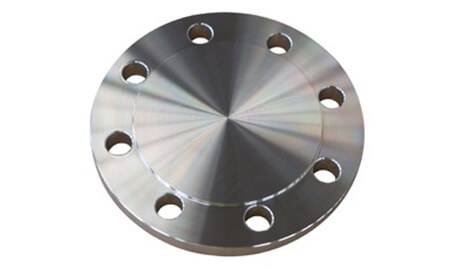
Paslanmaz çelik flanş ne için kullanılır??
Hızlı Yanıt
A stainless steel flange is used to create a bolted, separable connection between pipe sections, vanalar, pompalar, vessels or other equipment. It can provide maintenance access, terminate a line with a blind flange, connect dissimilar equipment interfaces or form part of a gasketed pressure-boundary joint. Flanş, conta, cıvatalama, alignment and assembly procedure work as a system; the flange alone does not guarantee a leak-free joint.
See flange functions and applications
What a Stainless Steel Flange Actually Does
| İşlev | Tipik kullanım | Important boundary |
|---|---|---|
| Connect pipe to pipe | Creates a removable joint between piping sections. | Both mating flanges must match the required standard, boyut, sınıf/PN, kaplama ve cıvata deseni. |
| Connect equipment | Joins piping to pumps, vanalar, gemiler, heat exchangers or instruments with flanged nozzles. | Nozzle loads, alignment and equipment requirements must be checked by the system designer. |
| Provide maintenance access | Allows a joint to be opened for inspection, cleaning or component replacement. | İzolasyon, depressurization and a controlled reassembly procedure remain necessary. |
| Close a line | A blind flange terminates or isolates an opening. | Blind-flange thickness and pressure-temperature rating must suit the design conditions. |
| Accommodate a selected connection method | Weld-neck, bağcıksız, soket kaynağı, threaded and lap-joint arrangements address different fabrication or maintenance needs. | Type selection does not replace piping-code, kaynak, corrosion or fatigue review. |
Why Stainless Steel Is Selected
Stainless steel is often considered when the piping system needs a combination of corrosion resistance, mekanik özellikler, cleanability or temperature capability. The correct grade depends on the service fluid, klorür içeriği, kirleticiler, tasarım sıcaklığı, imalat rotası, cleaning chemicals and project specification.
Material choice is not a universal ranking. 304-family grades may suit many general environments; molybdenum-bearing 316-family grades are often considered for improved resistance to localized corrosion; higher-alloy or duplex grades may be evaluated for more demanding duties. The engineering basis and ordered material standard must control the decision.
Where Stainless Steel Flanges Are Commonly Used
- Chemical and process piping: for selected corrosive fluids where the grade is compatible with the chemistry and temperature.
- Water and wastewater systems: where corrosion resistance, maintenance access and material compatibility are important.
- Yiyecek, beverage and pharmaceutical utilities: when the selected flange design, sona ermek, gasket and cleaning procedure meet the hygienic system requirements.
- Marine and offshore services: only after evaluating seawater exposure, crevice conditions and galvanic compatibility.
- Power and energy equipment: where the ordered grade and flange standard meet pressure-temperature and fabrication requirements.
- Pompalar, valves and heat exchangers: to create removable equipment connections for installation and maintenance.
How Standards Divide the Work
ASME B16.5 basınç-sıcaklık derecelerini kapsar, malzemeler, boyutlar, toleranslar, marking and testing for pipe flanges and flanged fittings within its stated size and class scope. The ordered edition matters. It also includes joint-related requirements and recommendations for bolting and gaskets.
ASTM A182/A182M covers forged or rolled alloy and stainless-steel piping components for pressure systems, flanşlar dahil. Its public scope addresses material grades, kimya, heat treatment and mechanical properties. A complete order normally identifies both the material specification and the dimensional flange standard rather than treating them as interchangeable.
Common Flange Types and Their Uses
- Kaynak boynu: butt-welded connection with a hub; often evaluated for demanding pressure, temperature or cyclic service.
- Slip-on: slides over the pipe and is welded; fit-up and welding details must follow the approved procedure.
- Soket kaynağı: compact connection used within its applicable size and service limits.
- Dişli: avoids a butt weld at the flange but introduces thread and service limitations.
- Tur eklemi: backing flange used with a stub end; useful where rotation or material separation is part of the design.
- Kör: closes an opening and must be selected for the pressure-temperature duty.
Product Starting Points
These are real product pages for quotation review. They do not establish suitability for a specific fluid or design condition without the complete RFQ.
Information to Include in an RFQ
- flanş tipi, NPS/DN and quantity;
- class or PN and dimensional standard/edition;
- malzeme özellikleri, derece ve gerekli koşul;
- karşı karşıya, delik veya eşleşen boru programı;
- servis sıvısı, tasarım basıncı ve sıcaklığı;
- gasket/bolting interface requirements when known;
- MTC, işaretleme ve ek muayene gereklilikleri.
Sıkça Sorulan Sorular
Do flanges make a joint automatically leak-proof?
HAYIR. Joint performance depends on compatible flanges, conta, cıvatalama, hizalama, surface condition and controlled assembly.
Can any two flanges with the same nominal size be bolted together?
HAYIR. Standart, sınıf/PN, karşı karşıya, bolt pattern and dimensional compatibility must be checked.
Why use a blind flange?
A blind flange closes or isolates a flanged opening while allowing future access after the system is safely depressurized.
Birincil Referanslar
- ASME B16.5-2025 — public scope for pipe flanges and flanged fittings.
- ASTM A182/A182M-26 — public scope for forged or rolled alloy and stainless-steel piping components.
Need a Stainless Steel Flange for a Specific Service?
Standardı gönder, boyut, sınıf/PN, malzeme kalitesi, karşı karşıya, delik, miktar, service conditions and document requirements.
İlgili Mesajlar
Flanş Yüzü Kaplaması: Eşmerkezli ve Spiral Tırtıkların Açıklaması
Eşmerkezli ve spiral tırtılların her ikisi de işlenmiş flanş yüzeyidir…
Dubleks 2205 316L Flanşlara Karşı: Hangi Malzemeyi Seçmelisiniz?
Hızlı cevap: Dubleks 2205 flanşlar genellikle daha güçlü adaydır…

Orifis Flanşı Tanımı, Ayrıntılar ve ASME B16.36 Flanşlara Genel Bakış: Piyasa Verileri, Seçim Kılavuzu ve Uyumluluk Bilgileri
Küresel endüstriyel flanş pazarı şu şekilde değerlendi: $5.8 milyar…

Siyah Bertaraf Flanşı Pazar Rehberi: Malzemeler, 3.5″ Uyumluluk, Mutfak Lavabo Flanşları için B2B Kaynak Verileri
Mutfak armatürü alıcıları nedeniyle siyah atık flanş talebi artıyor…
Hayır Yorumlar