
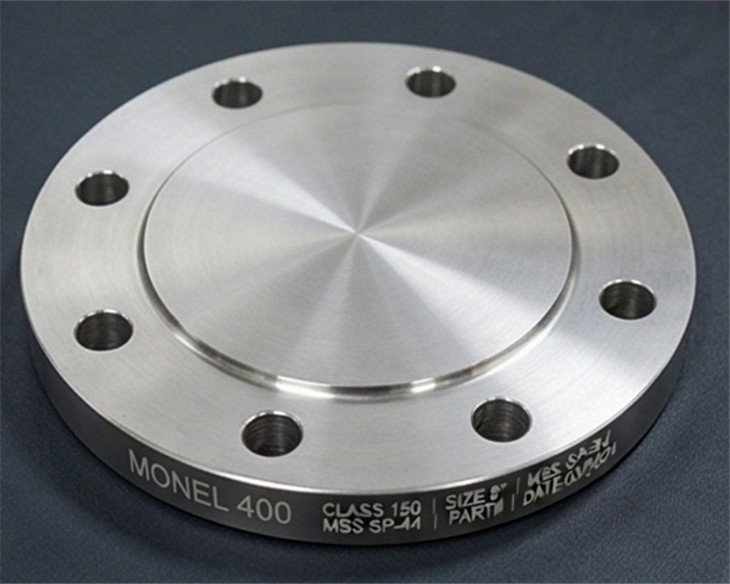
Как выбрать фланцы из легированной стали для работы при высоких температурах
Прямой ответ
Select an alloy steel flange by working from the governing piping code and approved line class: confirm design pressure and temperature, choose the compatible ASTM A182 оценка, calculate the ASME pressure-temperature rating, match the flange type and bore to the pipe, select the facing and bolting as a joint system, and define welding, heat treatment and inspection before purchase.
Ключевые выводы
- There is no universal maximum temperature for an alloy flange grade.
- Класс давления, material group and temperature must be evaluated together.
- The safest RFQ connects material, геометрия, joining and inspection requirements.
Step 1: define the real design envelope
Record design pressure, расчетная температура, operating range, upset conditions, process medium, corrosion allowance, cyclic duty and expected service life. High-temperature selection is not a single-temperature exercise. Long-term creep exposure, thermal transients, окисление, hydrogen damage and corrosion under insulation may control different parts of the decision.
The adopted piping code, client specification and line class establish the allowable material route. Published marketing temperature ranges are not a substitute for the code’s allowable stress data or the flange standard’s pressure-temperature tables.
Step 2: select a compatible material system
Match the flange to the adjoining pipe, арматура, корпуса клапанов, weld metal and bolting strategy. F11, F22 and F91 each belong to a different metallurgical system. A flange with higher nominal strength can introduce mismatched welding, thermal expansion or heat-treatment requirements if used outside its intended line class.
| Question | Why it matters | Evidence to request |
|---|---|---|
| Is the grade approved? | Confirms code and owner acceptance | Line class and material requisition |
| Is the heat treatment correct? | Controls properties and high-temperature behavior | MTC heat-treatment record and test results |
| Is the adjoining pipe compatible? | Controls weld procedure and thermal response | Pipe specification, grade and schedule |
| Are service damage mechanisms addressed? | Alloy content alone does not solve every environment | Corrosion and materials review |
Step 3: rate the flange and design the joint
Use the applicable ASME standard and adopted edition to determine the pressure-temperature rating for the exact material group and class. Сорт 600 does not mean 600 пси, и класс 900 does not mean 900 пси. Available pressure changes with material and temperature.
Then select flange type, лицом к лицу, gasket and bolting as one joint. Weld neck flanges are commonly used for critical high-temperature lines because the butt-welded hub provides a gradual transition. The bore and weld preparation must match the ordered pipe wall. RF versus RTJ selection depends on the equipment connection, gasket standard, service and project philosophy; the two facings are not field-interchangeable.
Step 4: lock in fabrication and quality controls
Before manufacturing, define the required forging route, термическая обработка, test frequency, пределы твердости, PMI coverage, surface examination, ultrasonic examination, dimensional inspection and certificate type. The order should also state whether third-party inspection or hold points apply.
For welded systems, align the flange grade with the qualified WPS, preheat, interpass controls, filler metal and PWHT. Оценка 91 work deserves particular discipline because composition verification alone cannot confirm a correct microstructure. Complete traceability from raw material heat to final marking is essential for every grade.
Часто задаваемые вопросы
What is the maximum temperature for an ASTM A182 фланец?
There is no single universal value. The material grade, ASME rating table, класс давления, governing code and project limits must be evaluated together.
Is a higher pressure class always safer?
Нет. A higher class changes dimensions and available rating but does not correct the wrong material, лицом к лицу, прокладка, bolting or weld design.
Which flange type is common for critical hot piping?
Weld neck flanges are common because of their butt-welded hub transition, subject to the approved line class and joint analysis.
Основные стандарты, на которые ссылаются
- ASTM A182/A182M — Forged or Rolled Alloy and Stainless Steel Piping Components
- ASME B16.5-2025 — Трубные фланцы и фланцевые фитинги, НПС 1/2 Через НПС 24
- ASME B16.47-2025 — Стальные фланцы большого диаметра, НПС 26 Через НПС 60
Стандарты были проверены на страницах издателей на 3 Август 2026. Всегда приобретайте и применяйте редакцию, указанную в проекте..
Запросить коммерческое предложение на фланцы из легированной стали
Отправьте марку материала, стандартный, НПС, класс давления, тип фланца, лицом к лицу, график труб, требования к количеству и проверке. Наша команда рассмотрит техническое описание перед предложением..
Связанные Посты
C-2000 против фланцев C22: Выбор материала и проверка запросов предложений
Сравните идентичность материалов фланцев C-2000 и C22., условия обслуживания, ковка…
ASTM A182 F51 против фланцев F60: Объяснение S31803 и S32205
Сравнить дуплексные фланцы ASTM A182 F51 и F60, включая S31803/S32205…
UNS S32750 и фланцы S32760: АСТМ А182 Ф53 или Ф55?
Сравнить супердуплексные фланцы S32750 и S32760, включая ASTM A182…

Может ли фланцевое соединение PN16 соответствовать классу ASME? 150 Клапан?
Может ли фланец PN16 соответствовать стандарту ASME класса 150?…