
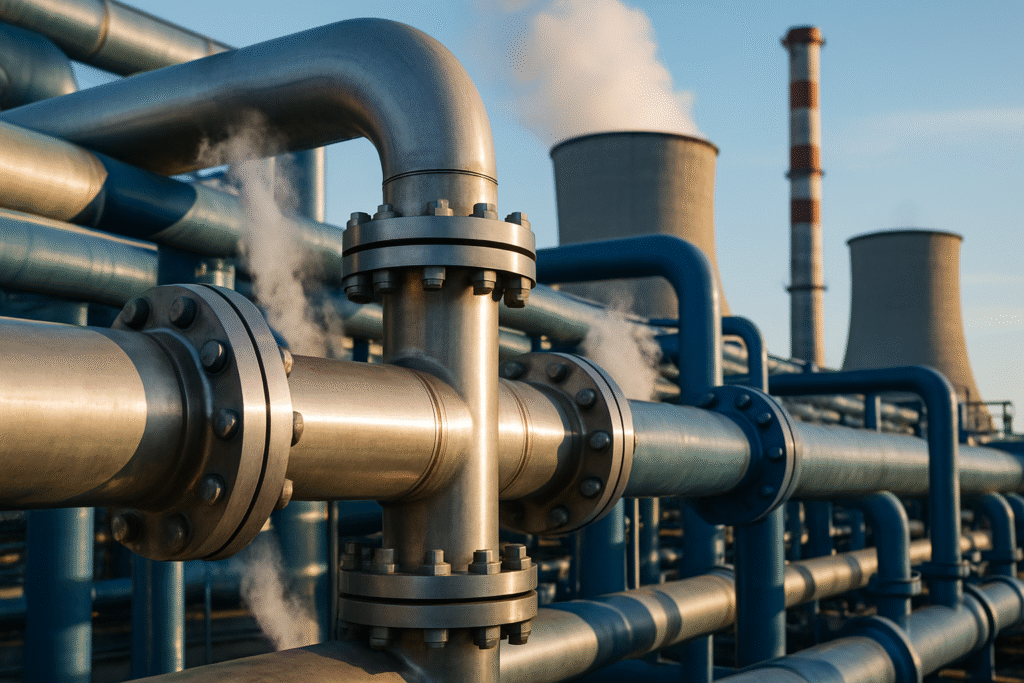
ข้อมูลตลาดหน้าแปลนท่อสแตนเลส: ข้อดีที่ซ่อนอยู่, ประเภททั่วไป, การใช้งาน, และวิธีการเลือกหน้าแปลน
ตลาดหน้าแปลนท่อสแตนเลสกำลังขยายตัวตามความน่าเชื่อถือ, ความต้านทานการกัดกร่อน, และมูลค่าวงจรชีวิตกลายเป็นศูนย์กลางในการจัดหาท่ออุตสาหกรรม. จากการวิจัยของแกรนด์วิว (2024), ตลาดหน้าแปลนอุตสาหกรรมทั่วโลกมีมูลค่าอยู่ที่ $5.8 พันล้านใน 2023 และคาดว่าจะไปถึง $7.2 พันล้านโดย 2030, which makes stainless steel pipe flange selection a strategic purchasing decision rather than a routine commodity buy.
สำหรับวิศวกรและผู้จัดการฝ่ายจัดซื้อ, the most intriguing aspect is not only price. The hidden advantages of stainless steel pipe flange solutions include lower maintenance frequency, broader media compatibility, and better long-term performance in corrosive and high-temperature service.
ตัวขับเคลื่อนตลาดอุตสาหกรรมที่อยู่เบื้องหลังความต้องการหน้าแปลนท่อสแตนเลส
Demand for stainless steel pipe flange products is closely tied to energy, ปิโตรเคมี, ทะเล, and water infrastructure investment. ตามสถิติของสตาติสต้า (2024), อุตสาหกรรมน้ำมันและก๊าซมีสัดส่วนประมาณ 35% ของการบริโภคหน้าแปลนทั่วโลก, which confirms why flange specification has direct implications for plant uptime and safety.
กำลังการผลิตในภูมิภาคยังกำหนดกลยุทธ์การจัดหาอีกด้วย. อ้างอิงจาก IBISWorld (2024), บัญชีเอเชียแปซิฟิกมีมากกว่า 45% ของการผลิตหน้าแปลนทั่วโลก, โดยจีนเป็นผู้ผลิตรายใหญ่ที่สุด, giving buyers access to high-volume output and competitive lead times.
These numbers explain why procurement teams compare not only flange types, but also manufacturing quality systems, inspection traceability, และประสบการณ์การส่งออก. In contrast to generic supply, project buyers increasingly require EN 10204 3.1 ใบรับรองวัสดุ, การตรวจสอบ PMI, and dimensional compliance with ASME and EN standards.
As projects become more international, standard harmonization matters more than ever. ASME B16.5 remains the core reference for NPS 1/2 ผ่าน 24 หน้าแปลน, ในขณะที่ ASME B16.47 covers large-diameter flanges, และภาษาอังกฤษ 1092 provides a widely used European framework (ASME, 2023; EN, 2024).
ในแง่การปฏิบัติ, stainless steel pipe flange procurement often involves balancing corrosion resistance, ระดับความดัน, ประเภทใบหน้า, and fabrication schedule. ดังนั้น, buyers need suppliers that can manufacture weld neck, ลื่นบน, ตาบอด, เชื่อมซ็อกเก็ต, เกลียว, and lap joint designs in 304, 316, 316ล, 904ล, 2205, และ 2507 เกรด.
SASA FLANGE serves this need with ISO 9001:2015 และการรับรอง PED 2014/68/EU, ความครอบคลุมของวัสดุในวงกว้าง, and export support for Oil & แก๊ส, ปิโตรเคมี, พลัง, มารีน, และภาคการบำบัดน้ำ. Buyers evaluating supply options can review capabilities through SASA FLANGE ข้อมูลบริษัท and product scope through its industrial flange and fitting portfolio.
Another market factor is lifecycle economics. ตามข้อมูลของ Mordor Intelligence (2024), corrosion-related downtime and maintenance remain among the largest avoidable costs in process industries, which is why stainless materials continue gaining share in aggressive service systems.
นอกจากนี้, stainless steel offers measurable value in environments exposed to chlorides, สารเคมี, ไอน้ำ, and repeated cleaning cycles. For many users, the most common reason to choose flanges in 304 หรือ 316 grades is not simply corrosion resistance, but predictable service life under variable operating conditions.
That is especially relevant in projects with strict inspection plans. ASTM A182 forged stainless flanges and ASTM A240 plate-derived materials are commonly specified because traceable chemistry and mechanical properties improve consistency in fabrication and operation (ASTM, 2024).
ส่งผลให้, a well-specified stainless steel pipe flange package can reduce replacement intervals, simplify maintenance planning, and support safer operating margins. This is one of the hidden advantages often missed when decisions focus only on the lowest initial unit price.
ชนิดหน้าแปลนท่อสเตนเลส, เกรด, และข้อดีที่ซ่อนอยู่ในการบริการ
Understanding stainless steel pipe flange types is essential because geometry affects stress distribution, ความสมบูรณ์ของการเชื่อม, and installation cost. Weld neck flanges remain the preferred choice for high-pressure and cyclic service, while slip-on flanges are often selected for lower-pressure systems where fabrication simplicity matters.
ดังเช่นจอห์น บรีน, วิศวกรท่ออาวุโส, รัฐ: “Flange selection is never only about material grade; เรขาคณิตของฮับ, หันหน้าไปทาง, การจัดตำแหน่งเจาะ, and pressure class often determine long-term joint reliability.” มุมมองดังกล่าวสอดคล้องกับแนวทางการออกแบบ ASME, where the flange type must match service severity, อุณหภูมิ, and assembly requirements.
ตามการวิจัยตลาดอนาคต (2024), industrial demand for corrosion-resistant alloy and stainless flange products is increasing at over 4% CAGR in line with stricter reliability and emissions targets. นอกจากนี้, ตามสถิติของ Statista (2024), process industries continue prioritizing durable piping components as maintenance budgets shift toward predictive asset management.
The most common stainless grades for industrial flange applications are 304, 304ล, 316, และ 316 ลิตร. อย่างไรก็ตาม, ดูเพล็กซ์ 2205, ซูเปอร์ดูเพล็กซ์ 2507, 904ล, โมเนล, ฮาสเตลลอย, and Inconel become important when chloride stress corrosion cracking, บริการเปรี้ยว, or highly oxidizing media are present.
Grade selection should follow the actual medium, อุณหภูมิในการทำงาน, และปรัชญาค่าเผื่อการกัดกร่อน. ตัวอย่างเช่น, 304 is widely used in general water, อาหาร, และบริการเคมีภัณฑ์อ่อน, ในทางตรงกันข้าม 316 or 316L is often preferred for chloride-bearing environments because molybdenum improves pitting resistance.
ในฐานะดร. เอเลนา มาร์โควิช, นักวิทยาศาสตร์วัสดุ, รัฐ: “ในการใช้งานหน้าแปลน, the hidden advantages of higher alloy content appear over time, because resistance to pitting, การโจมตีรอยแยก, and heat tint degradation directly influences leak risk.” That is particularly true in offshore, ทะเล, and aggressive washdown systems.
- 304/304ล: economical and widely available for general industrial service.
- 316/316ล: improved corrosion resistance for chlorides, seawater splashes, and harsher chemical exposure.
- 904ล: stronger resistance in sulfuric and highly corrosive environments.
- 2205 ดูเพล็กซ์: higher strength and better chloride resistance than austenitic 316L.
- 2507 ซูเปอร์ดูเพล็กซ์: selected for severe offshore and high-chloride applications.
- A105 and A182 alloy options: used where carbon steel or alloy steel is required by service design.
Type selection matters just as much as alloy selection. The most common flange configurations each solve a different piping problem, and procurement teams should map them to process conditions rather than habit.
- หน้าแปลนคอเชื่อม: ดีที่สุดสำหรับแรงดันสูง, การสั่นสะเทือน, การปั่นจักรยานด้วยความร้อน, และสายกระบวนการที่สำคัญ.
- หน้าแปลนแบบสลิปออน: lower fabrication cost and easier alignment in non-critical service.
- หน้าแปลนตาบอด: used to terminate lines, แยกระบบ, หรืออนุญาตให้มีการขยายตัวในอนาคต.
- หน้าแปลนเชื่อมซ็อกเก็ต: เหมาะสำหรับเจาะขนาดเล็ก, ท่อแรงดันสูง.
- หน้าแปลนเกลียว: practical where welding is restricted.
- หน้าแปลนร่วมตัก: useful when frequent dismantling or alignment flexibility is needed.
Face design also affects sealing performance. ใบหน้าที่ยกขึ้นเป็นเรื่องปกติในโรงงานแปรรูป, ring type joint is used in high-pressure critical service, and flat face is often specified for cast iron or lower-stress mating equipment (ASME B16.5, 2023).
ตามคำแนะนำของ ASME, pressure-temperature ratings depend on material group and flange class, so buyers cannot compare Class 150 และชั้นเรียน 300 products by dimensions alone. ดังนั้น, proper flange selection must integrate rating class, ประเภทปะเก็น, โหลดโบลต์, และอุณหภูมิในการทำงาน.
จากมุมมองของการจัดหา, manufacturing capability matters because dimensional accuracy drives fit-up and sealing success. SASA FLANGE ผลิตหน้าแปลนใน 304, 316, 316ล, 904ล, 2205, 2507 และเกรดพรีเมี่ยมอื่นๆ, backed by advanced CNC machining and comprehensive quality testing for export projects.
Custom requirements are also common in B2B procurement. Many EPC buyers need non-standard bores, หันหน้าไปทางพิเศษ, รูปแบบการเจาะ, NACE MR0175-compatible material options, or combined flange-and-fitting packages for complete piping systems.
SASA FLANGE supports this model with custom sizes from 1/2 นิ้วถึง 60 inch and factory-direct supply for flanges, ข้อศอก, เสื้อยืด, ตัวลด, และหมวกแก๊ป. For technical discussions on drawings, คลาสความดัน, หรือโลหะผสมพิเศษ, buyers can connect directly through SASA FLANGE การสนับสนุนการขายทางเทคนิค.
ในที่สุด, the intriguing question is not just which stainless flange is available. The better question is how to choose flanges that minimize total installed cost while preserving joint integrity for 10, 20, หรือแม้กระทั่ง 30 years of service.
มาตรฐาน, การทดสอบ, และการปฏิบัติตามข้อกำหนดสำหรับหน้าแปลนสแตนเลส
Industrial buyers should anchor every stainless steel pipe flange purchase to recognized standards. ASME B16.5 และ ASME B16.47 กำหนดมิติข้อมูล, การให้คะแนน, ความคลาดเคลื่อน, and facing requirements, ในขณะที่ ASTM A182 commonly governs forged stainless steel flanges and ASTM A240 supports plate material requirements for related products (ASTM, 2024).
European and international projects often require EN 1092, DIN, or JIS compliance in addition to ASME. ดังนั้น, global suppliers must understand dimensional interchange limits, drilling differences, and marking requirements before production starts.
ตามมาตรฐานไอเอสโอ (2023), traceability and documented quality management remain essential in pressure-containing components because nonconforming materials increase both safety and legal risk. นั่นคือเหตุผล ISO 9001:2015 ระบบ, mill test reports, and positive material identification are now routine requirements in many tenders.
For corrosive upstream and chemical applications, NACE MR0175 หรือ ISO 15156 may also become relevant where sulfide stress cracking is a concern. นอกจากนี้, PED 2014/68/EU compliance is important when products enter regulated European pressure equipment supply chains.
- ASME B16.5: pipe flanges and flanged fittings for NPS 1/2 ถึง 24.
- ASME B16.47: หน้าแปลนเหล็กเส้นผ่านศูนย์กลางขนาดใหญ่สำหรับ NPS 26 ถึง 60.
- ASTM A182: forged or rolled alloy and stainless steel flanges and forged fittings.
- ASME B16.9: factory-made wrought buttwelding fittings for elbows, เสื้อยืด, ตัวลด, และหมวกแก๊ป.
- EN 1092: European flange standard covering dimensions and pressure designations.
- NACE MR0175 / ISO 15156: ข้อกำหนดด้านวัสดุสำหรับสภาพแวดล้อมที่มี H2S.
Inspection planning should be equally disciplined. Most project specifications require dimensional inspection, visual examination, material traceability checks, and marking verification, while higher criticality orders may add PMI, การทดสอบความแข็ง, การตรวจสอบเฟอร์ไรต์, รองรับการทดสอบอุทกสถิต, หรือการตรวจพยานบุคคลภายนอก.
ดังเช่นไมเคิล ตัน, นักวิเคราะห์ตลาดอุตสาหกรรม, รัฐ: “Quality documentation has become a commercial differentiator because EPC firms increasingly score suppliers on traceability, การรับรอง, และการตอบสนอง, not only on price.” That trend is especially visible in energy and offshore projects.
Documentation requirements usually include heat number traceability, EN 10204 3.1 certificate packages, and standard marking on each stainless steel pipe flange. นอกจากนี้, flange buyers should verify bore finish, serration, หันหน้าไปทางประเภท, and drilling accuracy because these details affect gasket seating and bolt stress distribution.
SASA FLANGE integrates these compliance needs into export manufacturing with ISO 9001:2015, พีอีดี 2014/68/สหภาพยุโรป, และโฆษณา 2000 aligned quality processes. เสิร์ฟ 50+ ประเทศทั่วน้ำมัน & แก๊ส, ปิโตรเคมี, พลัง, และอุตสาหกรรมทางทะเล, the company supports both standard and project-specific documentation packages.
When evaluating vendors, procurement teams should compare more than nominal specification claims. They should confirm whether the supplier can provide ASTM-compliant raw material, CNC-machined tolerances, บันทึกการทดสอบ, and packaging methods that protect serrated sealing surfaces during shipment.
It is also wise to verify whether the supplier can combine flanges with ASME B16.9 fittings in the same project lot. That reduces inspection complexity and supports material consistency across elbows, เสื้อยืด, ตัวลด, หมวกแก๊ป, and flange components.
For detailed project requirements, buyers can discuss specifications and certification needs at SASA FLANGE หน้าการติดต่อ. ในแบบคู่ขนาน, engineers can review dimensional baseline requirements directly from the ASME official website before final approval.
คู่มือการสมัคร: วิธีการเลือกหน้าแปลนสำหรับน้ำมัน, แก๊ส, เคมี, พลัง, และระบบทางทะเล
Choosing the right stainless steel pipe flange begins with operating conditions. ความดัน, อุณหภูมิ, เคมีของไหล, ขนาดเส้น, กลไกการกัดกร่อน, and inspection class should all be defined before a grade or flange type is selected.
Oil and gas systems often prioritize pressure containment, sour service compliance, and resistance to chloride exposure. ดังนั้น, หน้าแปลนคอเชื่อมใน 316L, ดูเพล็กซ์ 2205, หรือซูเปอร์ดูเพล็กซ์ 2507 may be preferred depending on produced water chemistry, offshore splash zones, and pipeline stress levels.
ตามสถิติของสตาติสต้า (2024), น้ำมันและก๊าซคิดเป็นประมาณ 35% ของความต้องการหน้าแปลนทั่วโลก, so field-proven reliability is critical in this sector. In many upstream and midstream applications, buyers also require material traceability and third-party inspection as standard purchasing conditions.
Chemical processing plants focus more heavily on media compatibility. 316L is common for moderate chemical service, but 904L, ฮาสเตลลอย, โมเนล, or titanium may be required where acids, คลอไรด์, or mixed aggressive media make standard austenitic stainless insufficient.
Power generation projects often deal with temperature cycling, ไอน้ำ, and pressure fluctuation. ส่งผลให้, weld neck flanges with carefully matched metallurgy are often selected to reduce stress concentration at the hub-to-pipe transition.
Marine and shipbuilding applications must consider salt exposure, การกัดกร่อนของรอยแยก, and washdown conditions. ในสภาพแวดล้อมเหล่านี้, 316L is frequently a baseline, while duplex grades offer a stronger strength-to-weight ratio and better chloride resistance for severe duty.
- Check fluid composition, รวมถึงคลอไรด์, ซัลไฟด์, และความเข้มข้นของกรด.
- Match flange class to design pressure and operating temperature.
- Confirm compatibility between gasket, วัสดุสลักเกลียว, and flange face finish.
- Select forged or plate-based product according to project specification.
- Review whether ASME, DIN, JIS, or EN dimensions are required.
- Specify certificates, พีเอ็มไอ, and third-party inspection before purchase order release.
Another practical issue is size range. ผู้ซื้อค้นหาขนาดหน้าแปลนท่อสแตนเลส, 4 ตัวเลือกหน้าแปลนท่อสแตนเลสนิ้ว, or stainless steel threaded pipe flange products should verify bore schedule, ความหนาของหน้าแปลน, รูปแบบการเจาะ, and face type rather than relying on nominal size descriptions alone.
ตัวอย่างเช่น, ก 4 inch flange may differ significantly depending on Class 150, 300, หรือ 600 rating and whether it follows ASME B16.5 หรือภาษาอังกฤษ 1092. เพราะเหตุนี้, dimensional checks should always reference the exact standard and pressure designation.
Procurement teams should also evaluate total package availability. Flanges rarely ship alone on major projects, and integrating elbows, เสื้อยืด, ตัวลด, and caps from the same approved supplier can simplify quality control and logistics.
SASA FLANGE offers custom manufacturing for stainless steel flanges and related fittings in a broad material portfolio, รวมทั้ง 304, 316, 316ล, 904ล, 2205, 2507, A105, A182, อินโคเนล, โมเนล, ฮาสเตลลอย, และไทเทเนียม. This is useful when projects require mixed metallurgy packages or non-standard drilling and facing details.
Lead time and cost should be assessed alongside reliability. A lower-priced stainless steel pipe flange can become more expensive if poor tolerances, missing documents, or surface damage delay installation and force reinspection.
ดังนั้น, the most effective way to choose flanges is to align engineering criteria with supplier capability. Buyers who do this consistently reduce field fit-up issues, improve sealing performance, and gain better control over lifecycle cost.
แนวโน้มในอนาคต, กลยุทธ์การซื้อ, and Commercial Recommendations
แนวโน้มความต้องการหน้าแปลนท่อสแตนเลสยังคงเป็นบวกเนื่องจากการต่ออายุโครงสร้างพื้นฐาน, โครงการเปลี่ยนผ่านด้านพลังงาน, and industrial resilience programs continue to support investment. จากการวิจัยของแกรนด์วิว (2024), คาดว่าตลาดจะเติบโตจาก $5.8 พันล้านใน 2023 ถึง $7.2 พันล้านโดย 2030, reflecting steady long-term demand.
นอกจากนี้, ตามข้อมูลของ IBISWorld (2024), เอเชียแปซิฟิกมีสัดส่วนมากกว่านั้นแล้ว 45% ของการผลิตหน้าแปลนทั่วโลก, which means sourcing strategies will continue to emphasize qualified Asian manufacturers with proven export quality systems. อย่างไรก็ตาม, buyers will increasingly favor suppliers that combine cost efficiency with traceability and engineering support.
One clear trend is specification tightening. EPC contractors and end users now expect faster document turnaround, PED and project certification support, and stronger material verification protocols than they did five years ago.
Another trend is bundled procurement. Instead of purchasing flanges, ข้อศอก, เสื้อยืด, ตัวลด, และตัวพิมพ์ใหญ่จากผู้ขายหลายราย, many buyers prefer integrated packages to reduce quality variation and simplify expediting.
Commercially, the most common buying mistakes remain under-specifying corrosion requirements, ignoring documentation scope, and treating all stainless grades as interchangeable. ในทางตรงกันข้าม, successful procurement teams define media chemistry, การจัดอันดับชั้นเรียน, ขนาด, ใบรับรอง, and inspection expectations before RFQ release.
สำหรับการจัดหาเชิงกลยุทธ์, buyers should compare vendors on five criteria. These include material range, การปฏิบัติตามมาตรฐาน, ความแม่นยำของเครื่องจักร, คุณภาพเอกสาร, and delivery responsiveness.
- Standardize approved flange types by service category.
- Pre-qualify suppliers with ISO 9001:2015 and PED support.
- ขอ EN 10204 3.1 certificates and PMI for critical grades.
- Bundle flange and fitting procurement when material consistency matters.
- Evaluate lifecycle cost rather than initial unit price alone.
For companies seeking a dependable partner, SASA FLANGE combines broad grade coverage, project documentation support, and custom production for industrial piping systems. Buyers planning current or future flange packages can use SASA FLANGE to discuss technical drawings, มาตรฐาน, and delivery requirements with an experienced export team.
คำถามที่พบบ่อย
ซึ่งจะดีกว่า 304 หรือ 420 สแตนเลส?
●สำหรับการใช้งานหน้าแปลนท่อสแตนเลสส่วนใหญ่, 304 is the better choice because it offers stronger corrosion resistance, ความสามารถในการเชื่อมที่ดีขึ้น, and wider acceptance under industrial flange standards such as ASTM A182 และ ASME B16.5.
●จากการวิจัยของแกรนด์วิว (2024), ถึงตลาดหน้าแปลนอุตสาหกรรมแล้ว $5.8 พันล้านใน 2023, and a significant share of demand comes from corrosive process systems where austenitic grades like 304 และ 316 are preferred over hardenable martensitic grades such as 420.
●The main technical difference is microstructure and service intent. ระดับ 304 is an austenitic stainless steel with roughly 18% โครเมียมและ 8% นิกเกิล, so it performs well in general chemical handling, การบำบัดน้ำ, การแปรรูปอาหาร, และบริการด้านสถาปัตยกรรม. ระดับ 420 is a martensitic stainless steel with higher carbon and lower corrosion resistance, and it is typically selected for hardness, ความต้านทานการสึกหรอ, and edge retention rather than flange fabrication.
●In practical piping terms, 420 is not the most common flange material because its weldability is poorer and its corrosion performance is weaker in wet or chloride-containing environments. Engineers usually avoid 420 for process flanges unless a very specific mechanical requirement exists and corrosion exposure is limited.
●As materials specialists often note, flange materials must be selected for sealing reliability over time, not only for hardness. ดังนั้น, if your system handles water, ไอน้ำ, mild chemicals, or washdown service, 304 is generally the more reliable and economical choice, ในขณะที่ 316 or duplex grades may be even better where chlorides are present.
●For projects requiring certified forged stainless flanges, traceable chemistry, และการปฏิบัติตามมิติ, ทำงานร่วมกับผู้ผลิตที่จัดตั้งขึ้นเช่น SASA FLANGE helps ensure the grade matches the real service conditions and standard requirements.
ฉันจะรู้ได้อย่างไรว่าสแตนเลสของฉันเป็นอย่างไร 304 หรือ 316?
●You usually cannot confirm whether a stainless steel pipe flange is 304 หรือ 316 by visual inspection alone because both grades look very similar after machining, ดอง, หรือทู่.
●According to ISO and common industrial QA practice, the most reliable identification methods are mill test certificates, การระบุวัสดุที่เป็นบวก, and laboratory chemical analysis, especially when the part is pressure-containing or used in regulated projects.
●The key compositional difference is molybdenum. ระดับ 316 normally contains about 2% ถึง 3% โมลิบดีนัม, ในขณะที่ 304 does not, and that extra alloying gives 316 better resistance to pitting and crevice corrosion in chloride environments. Portable PMI devices based on XRF technology can often detect this difference quickly in warehouses, fabrication shops, and project sites.
●Procurement teams should not rely on spark tests, magnets, or color differences because those methods are inaccurate for distinguishing austenitic stainless grades in flange service. Even stamped markings can be misleading if parts were mixed after machining or if traceability was lost during storage.
●According to industry analysts, documentation control is becoming more important across piping supply chains because wrong-grade installation can lead to expensive rework and corrosion failure. That is one reason EPC firms frequently require EN 10204 3.1 ใบรับรอง, การติดตามหมายเลขความร้อน, and PMI for 316L, ดูเพล็กซ์, and other critical materials.
●If you need certainty before installation, request MTC review and PMI verification from a qualified supplier or third-party inspector. For projects that require traceable 304, 316, 316ล, 2205, หรือ 2507 หน้าแปลน, กำลังติดต่อ SASA FLANGE is a practical way to secure documented material conformity and project-level QA support.
อะไรบ้าง 5 ประเภทของสแตนเลส?
●ตระกูลเหล็กกล้าไร้สนิมหลักห้าตระกูลนั้นเป็นออสเทนนิติก, เฟอร์ริติก, มาร์เทนซิติก, ดูเพล็กซ์, และสเตนเลสสตีลชุบแข็งแบบตกตะกอน, and each group serves different industrial flange and piping requirements.
●According to ASTM and common materials engineering classifications, เกรดออสเทนนิติก เช่น 304 และ 316 are the most widely used in flange production because they combine corrosion resistance, ความเหนียว, และเชื่อมได้ดี.
●Austenitic stainless steels include 304, 304ล, 316, 316ล, 321, และ 347, and they dominate process piping because they perform well across many chemical and temperature conditions. Ferritic grades contain chromium but little or no nickel, so they offer moderate corrosion resistance and lower cost, yet they are less common in critical flange applications. Martensitic grades such as 410 และ 420 can be heat treated for hardness, but they are not usually the first choice for corrosion-focused flange service.
●Duplex stainless steels such as 2205 และ 2507 combine austenitic and ferritic structures, delivering higher strength and strong resistance to chloride stress corrosion cracking. Precipitation-hardening grades are used where very high strength is required, but they are more specialized and less common in standard pipe flange procurement.
●ตามการวิจัยตลาดอนาคต (2024), demand for higher-performance corrosion-resistant materials is growing as asset owners target longer service life and lower maintenance costs. That trend supports greater use of duplex and super duplex alloys in offshore, การแยกเกลือออกจากน้ำ, and aggressive chemical systems.
●For most common industrial stainless steel pipe flange orders, buyers choose between austenitic and duplex grades based on corrosion severity, ระดับความดัน, and cost targets. If you need help selecting among 304, 316ล, 904ล, 2205, หรือ 2507 for a project-specific application, an experienced supplier like SASA FLANGE can align material family choice with standards, เงื่อนไขการให้บริการ, และข้อกำหนดในการตรวจสอบ.
รหัส ASME สำหรับหน้าแปลนสแตนเลสคืออะไร?
●The primary ASME standards for stainless steel pipe flange dimensions and ratings are ASME B16.5 สำหรับกรมอุทยานฯ 1/2 ผ่าน 24 และ ASME B16.47 for large diameters from NPS 26 ผ่าน 60.
●ASTM A182 is also commonly specified because it covers forged or rolled alloy and stainless steel flanges, อุปกรณ์ปลอมแปลง, และวาล์วสำหรับการบริการที่อุณหภูมิสูง, making it one of the most important material standards for stainless flanges.
●Buyers should understand that ASME and ASTM play different but complementary roles. ASME B16.5 and B16.47 define dimensional requirements, การจัดอันดับความดันอุณหภูมิ, หันหน้าไปทางรายละเอียด, ความคลาดเคลื่อน, และรูปแบบสายฟ้า, ในขณะที่ ASTM A182 defines material chemistry, คุณสมบัติทางกล, การรักษาความร้อน, และข้อกำหนดการทดสอบ. In many project documents, both standards appear together because one controls geometry and the other controls material compliance.
●Other relevant standards may include ASME B16.9 for buttweld fittings, EN 1092 สำหรับขนาดหน้าแปลนยุโรป, และ NACE MR0175 หรือ ISO 15156 for sour service materials. ดังนั้น, the full specification for a stainless flange package often includes more than one code or standard reference.
●ตามแนวทางปฏิบัติของ ASME, pressure class selection must consider both material group and temperature, ชั้นเรียน 300 flange cannot be evaluated only by nominal size. This is a critical point for procurement teams comparing quotations across different mills or international suppliers.
●The best approach is to specify the exact standard, ระดับ, หันหน้าไปทาง, ระดับ, เบื่อ, and documentation package in the RFQ. For ASME-compliant stainless steel pipe flange supply with supporting certificates and export documentation, ผู้ผลิตชอบ SASA FLANGE can provide clearer compliance alignment from quotation through shipment.
ประเภทหน้าแปลนสแตนเลสที่พบมากที่สุดคืออะไร?
●ประเภทหน้าแปลนสแตนเลสที่พบมากที่สุดคือคอเชื่อม, ลื่นบน, ตาบอด, เชื่อมซ็อกเก็ต, เกลียว, และข้อต่อตัก, and each type is designed for a different balance of strength, installation effort, และการเข้าถึงการบำรุงรักษา.
●ตามสถิติของสตาติสต้า (2024), ภาคน้ำมันและก๊าซเป็นตัวแทนเกี่ยวกับ 35% ของการบริโภคหน้าแปลนทั่วโลก, and that helps explain why weld neck flanges remain especially common in high-pressure and cyclic service.
●Weld neck flanges are favored where stress concentration must be minimized, such as refinery lines, ท่อไฟฟ้า, and critical process systems. Slip-on flanges are often selected for lower-pressure service because they are easier to fit and typically less expensive to install. Blind flanges are used to close the end of a pipe, isolate a section of line, or allow future modifications.
●Socket weld flanges are widely used in smaller bore, การใช้งานแรงดันสูง, while threaded flanges are useful where welding is undesirable or restricted. หน้าแปลนร่วมตัก, ใช้กับปลายต้นขั้ว, are helpful in systems that require frequent dismantling or rotational alignment during assembly.
●Face type is also important. Raised face is the most common for industrial process service, while ring type joint faces are used in higher-pressure applications requiring metal-to-metal gasket engagement under controlled bolt load.
●ให้เลือกอย่างถูกต้อง, buyers should match flange type to process pressure, ระดับการสั่นสะเทือน, การปั่นจักรยานตามอุณหภูมิ, inspection class, และกลยุทธ์การบำรุงรักษา. สำหรับโครงการที่เกี่ยวข้องกับประเภทหน้าแปลนสแตนเลส, ฟิตติ้ง, and custom drilling or facing details, a supplier like SASA FLANGE can help standardize selection across entire piping packages.
How do I select stainless steel pipe flange sizes, ขนาด, และลดหน้าแปลน?
●Stainless steel pipe flange sizes and dimensions must be selected by referencing the exact standard, ขนาดท่อที่ระบุ, ระดับความดัน, หันหน้าไปทางประเภท, and bore schedule rather than by nominal diameter alone.
●ASME B16.5 governs most common sizes from NPS 1/2 ถึง 24, ในขณะที่ ASME B16.47 ครอบคลุมเส้นผ่านศูนย์กลางที่ใหญ่กว่า, and dimensional differences between Class 150, 300, 600, and higher ratings can be substantial even for the same nominal size.
●ตัวอย่างเช่น, ก 4 inch stainless steel pipe flange can vary in outside diameter, ความหนา, วงกลมสายฟ้า, and hub dimensions depending on its class and type. Buyers searching for stainless steel flange dimensions or stainless steel flange for sale should therefore verify whether the product is weld neck, ลื่นบน, ตาบอด, เกลียว, or socket weld and whether the bore matches Schedule 10S, 40ส, or another wall thickness. This is also important for gasket fit and bolt selection.
●Reducing flanges deserve special attention because they connect a larger flange size to a smaller pipe bore. They can save space and reduce the number of fittings, but engineers must check turbulence, velocity change, and stress effects before using them in critical service.
●According to industry best practice, dimensional errors remain one of the most common causes of site installation delays because bolt misalignment and wrong bore schedules prevent direct fit-up. ส่งผลให้, many procurement teams now request approval drawings and detailed dimensional inspection reports before shipment.
●The most effective purchasing method is to submit your line size, กำหนดการ, ระดับ, ประเภทใบหน้า, and standard together with any reducing flange requirement. If you need stainless steel pipe flange sizes from 1/2 นิ้วถึง 60 inch with project documentation and custom machining, SASA FLANGE can support both standard and non-standard dimensional requirements.
โพสต์ที่เกี่ยวข้อง
หน้าแปลนเสร็จสิ้น: อธิบาย Serrations แบบศูนย์กลางและแบบเกลียว
ฟันปลาแบบศูนย์กลางและแบบเกลียวมีทั้งการตกแต่งผิวหน้าแปลนด้วยเครื่องจักร…
ดูเพล็กซ์ 2205 เทียบกับหน้าแปลน 316L: คุณควรเลือกวัสดุใด?
ตอบด่วน: ดูเพล็กซ์ 2205 หน้าแปลนมักจะเป็นตัวเลือกที่แข็งแกร่งกว่า…

คำจำกัดความหน้าแปลนปาก, รายละเอียดและภาพรวมหน้าแปลน ASME B16.36: ข้อมูลการตลาด, คู่มือการคัดเลือกและข้อมูลเชิงลึกด้านการปฏิบัติตามข้อกำหนด
ตลาดหน้าแปลนอุตสาหกรรมทั่วโลกมีมูลค่าอยู่ที่ $5.8 พันล้าน…

คู่มือการตลาดหน้าแปลนการกำจัดสีดำ: วัสดุ, 3.5″ ความเข้ากันได้, และการจัดหาข้อมูล B2B สำหรับหน้าแปลนอ่างล้างจาน
ความต้องการหน้าแปลนกำจัดสีดำเพิ่มขึ้นเนื่องจากผู้ซื้ออุปกรณ์ติดตั้งในครัว…