
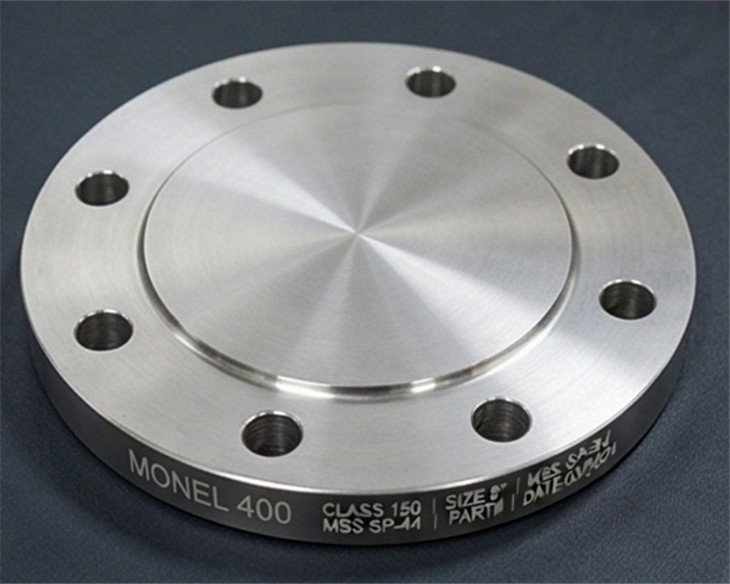
고온 서비스용 합금강 플랜지를 선택하는 방법
직접적인 답변
Select an alloy steel flange by working from the governing piping code and approved line class: confirm design pressure and temperature, choose the compatible ASTM A182 등급, calculate the ASME pressure-temperature rating, match the flange type and bore to the pipe, select the facing and bolting as a joint system, and define welding, heat treatment and inspection before purchase.
주요 시사점
- There is no universal maximum temperature for an alloy flange grade.
- 압력 등급, material group and temperature must be evaluated together.
- The safest RFQ connects material, 기하학, joining and inspection requirements.
단계 1: define the real design envelope
Record design pressure, 설계 온도, operating range, upset conditions, process medium, 부식 허용량, cyclic duty and expected service life. High-temperature selection is not a single-temperature exercise. Long-term creep exposure, thermal transients, oxidation, hydrogen damage and corrosion under insulation may control different parts of the decision.
The adopted piping code, client specification and line class establish the allowable material route. Published marketing temperature ranges are not a substitute for the code’s allowable stress data or the flange standard’s pressure-temperature tables.
단계 2: select a compatible material system
Match the flange to the adjoining pipe, 피팅, 밸브 몸체, weld metal and bolting strategy. F11, F22 and F91 each belong to a different metallurgical system. A flange with higher nominal strength can introduce mismatched welding, thermal expansion or heat-treatment requirements if used outside its intended line class.
| Question | 왜 중요한가요? | Evidence to request |
|---|---|---|
| Is the grade approved? | Confirms code and owner acceptance | Line class and material requisition |
| Is the heat treatment correct? | Controls properties and high-temperature behavior | MTC heat-treatment record and test results |
| Is the adjoining pipe compatible? | Controls weld procedure and thermal response | Pipe specification, grade and schedule |
| Are service damage mechanisms addressed? | Alloy content alone does not solve every environment | Corrosion and materials review |
단계 3: rate the flange and design the joint
Use the applicable ASME standard and adopted edition to determine the pressure-temperature rating for the exact material group and class. 수업 600 does not mean 600 psi, 및 클래스 900 does not mean 900 psi. Available pressure changes with material and temperature.
Then select flange type, 깃 달기, gasket and bolting as one joint. Weld neck flanges are commonly used for critical high-temperature lines because the butt-welded hub provides a gradual transition. The bore and weld preparation must match the ordered pipe wall. RF versus RTJ selection depends on the equipment connection, 개스킷 표준, service and project philosophy; the two facings are not field-interchangeable.
단계 4: lock in fabrication and quality controls
Before manufacturing, define the required forging route, 열처리, test frequency, 경도 한계, PMI coverage, surface examination, ultrasonic examination, dimensional inspection and certificate type. The order should also state whether third-party inspection or hold points apply.
For welded systems, align the flange grade with the qualified WPS, preheat, interpass controls, filler metal and PWHT. 등급 91 work deserves particular discipline because composition verification alone cannot confirm a correct microstructure. Complete traceability from raw material heat to final marking is essential for every grade.
자주 묻는 질문
What is the maximum temperature for an ASTM A182 플랜지?
There is no single universal value. The material grade, ASME rating table, 압력 등급, governing code and project limits must be evaluated together.
Is a higher pressure class always safer?
아니요. A higher class changes dimensions and available rating but does not correct the wrong material, 깃 달기, 틈 메우는 물건, bolting or weld design.
Which flange type is common for critical hot piping?
Weld neck flanges are common because of their butt-welded hub transition, subject to the approved line class and joint analysis.
참조된 기본 표준
- ASTM A182/A182M – 단조 또는 압연 합금 및 스테인레스강 배관 부품
- ASME B16.5-2025 – 파이프 플랜지 및 플랜지 피팅, NPS 1/2 NPS를 통해 24
- ASME B16.47-2025 – 대구경 강철 플랜지, NPS 26 NPS를 통해 60
게시자 페이지를 기준으로 표준을 확인했습니다. 3 팔월 2026. 항상 프로젝트에서 지정한 에디션을 구매하여 적용하세요..
합금강 플랜지 견적 요청
재료 등급 보내기, 기준, NPS, 압력 등급, 플랜지형, 깃 달기, 파이프 일정, 수량 및 검사 요구 사항. 우리 팀은 견적 전에 기술 설명을 검토합니다..
관련 게시물
C-2000 vs C22 Flanges: Material Selection and RFQ Checks
Compare C-2000 and C22 flange material identities, 서비스 조건, forging…
ASTM A182 F51 대 F60 플랜지: S31803 대 S32205 설명
ASTM A182 F51 및 F60 이중 플랜지 비교, S31803/S32205 포함…
UNS S32750 대 S32760 플랜지: ASTM A182 F53 또는 F55?
S32750 및 S32760 슈퍼 듀플렉스 플랜지 비교, ASTM A182 포함…
